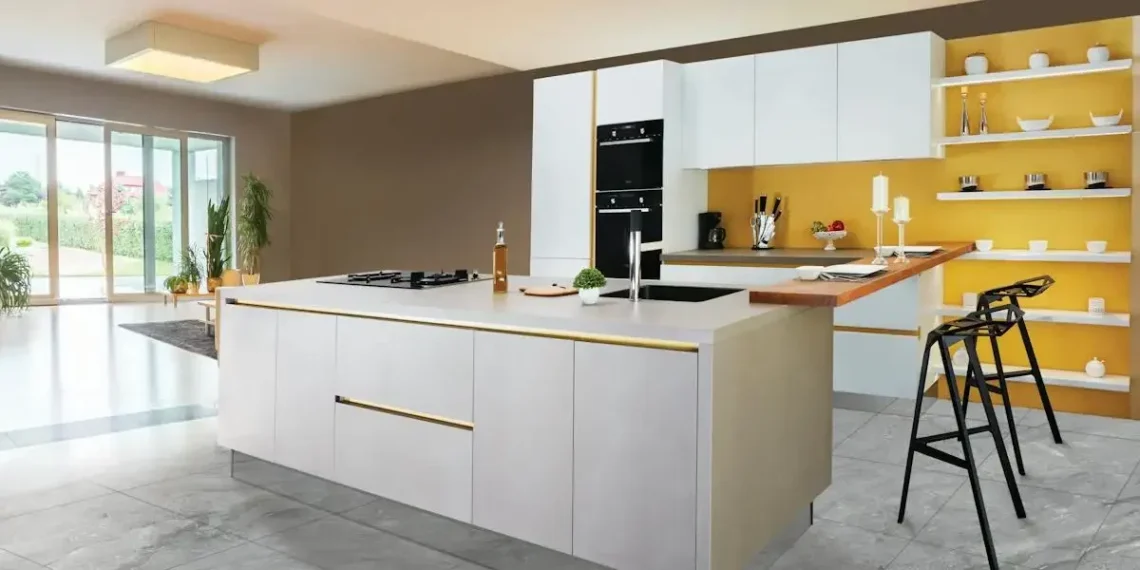
Meals become inconsistent long before flavor or technique enter the picture. The real shift often begins with how the kitchen is arranged and how easily daily cooking fits into routine. I have noticed that when the kitchen feels scattered, meals follow the same pattern. Missed ingredients, skipped prep steps, and rushed decisions quietly chip away at consistency.
Organization creates structure, and structure supports repetition. Consistent meals are rarely the result of motivation alone. They grow out of systems that reduce friction and make cooking feel predictable rather than exhausting. Once the kitchen supports repetition, consistency stops feeling forced and starts feeling natural.
Why Consistency Depends on Environment
Cooking the same quality of meal repeatedly requires more than a recipe. It depends on whether the environment allows actions to repeat without resistance. I have found that disorganized spaces introduce small delays that accumulate over time.
Searching for tools, rearranging counters, or realizing ingredients are missing interrupts rhythm. These interruptions break habits before they can solidify. Organization removes these barriers by making actions easier to repeat.
When the environment stays stable, behavior follows. Consistency grows where effort stays low and expectations remain clear.
How Organization Reduces Decision Fatigue
Every cooking session involves decisions, but clutter multiplies them unnecessarily. Too many tools, scattered ingredients, and unclear storage force constant choices. I have experienced how decision fatigue leads to skipped meals or last-minute substitutions.
Organized kitchens narrow options intentionally. When tools are limited and ingredients are visible, decisions become faster and more confident. This mental clarity supports consistency.
Reducing decisions preserves energy. That energy gets redirected into cooking rather than managing chaos.
Repetition Thrives on Predictable Layouts
Consistency depends on repetition, and repetition depends on predictability. I rely on knowing where things are without thinking. That familiarity builds rhythm and confidence.
Predictable layouts remove hesitation. Hands move automatically from drawer to counter to stove. This flow supports repetition without conscious effort.
When layouts change frequently or feel illogical, repetition breaks down. Stability reinforces habit formation.
Organization as a Trigger for Routine
Routines often start with visual cues. An organized kitchen provides those cues naturally. I have noticed that clear counters and orderly storage invite action.
When the kitchen looks ready, cooking feels accessible. This visual readiness acts as a trigger to start meals rather than delay them. Organization encourages engagement.
Disorder sends the opposite signal. Visual clutter communicates effort and resistance, discouraging consistency.
Ingredient Visibility and Reliable Meals
Consistent meals depend on knowing what is available. Hidden ingredients lead to forgotten plans and last-minute changes. I have seen how poor visibility undermines even well-intended meal routines.
Visible ingredients support planning and follow-through. When staples are easy to see, meals become predictable. Shopping aligns with actual use.
Visibility reduces waste and surprises. Reliable access leads to reliable outcomes.
Tool Accessibility and Execution Confidence
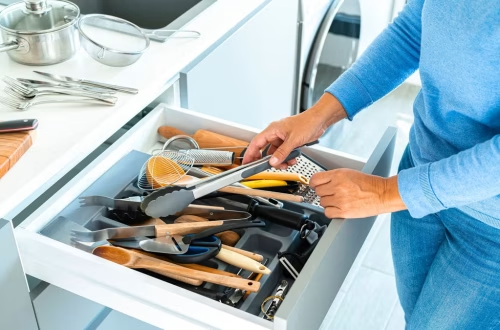
Consistency improves when tools are easy to reach and return. I store frequently used tools where hands naturally expect them. This reduces friction during cooking.
Accessible tools support confidence. Confidence encourages repetition. When cooking feels manageable, it happens more often.
Tools that require effort to access introduce hesitation. Organization removes that barrier.
Organized Prep Leads to Consistent Timing
Meal consistency includes timing as well as flavor. Disorganized prep areas slow everything down. I have experienced how cluttered counters disrupt pacing.
Organized prep zones support consistent timing. Tasks unfold in the same order each time. This predictability improves results.
Timing stabilizes when the environment supports flow. Organization creates that support.
Storage Systems Reinforce Habits
Storage systems shape behavior. I have learned that where items live influences how often they get used. Frequent-use items placed front and center become part of routine.
Less-used items naturally fade into the background. This reinforces habitual cooking patterns. Storage guides action without effort.
Consistent habits grow where storage aligns with use. Poor alignment leads to inconsistency.
Meal Planning Becomes Easier With Order
Meal planning depends on clarity. Disorganized kitchens obscure information about ingredients and tools. I have noticed that planning feels harder when storage hides resources.
Organized storage reveals options quickly. Planning becomes faster and more accurate. Meals align with what is actually available.
This clarity supports follow-through. Plans become meals instead of intentions.
Organization Reduces Mid-Meal Stress
Stress disrupts consistency. Disorganization increases stress during cooking through interruptions and surprises. I have felt how this stress leads to shortcuts and skipped steps.
Organized kitchens reduce mid-meal tension. Everything needed is within reach. Cooking stays focused and calm.
Lower stress supports better execution. Better execution leads to consistent results.
Consistency Relies on Cleanup Ease
Cleanup determines whether cooking happens again tomorrow. Disorganized storage makes cleanup harder. I have noticed that difficult cleanup discourages repetition.
Organized storage simplifies cleanup. Tools return easily to their places. The kitchen resets quickly.
Easy cleanup supports consistency. A ready kitchen invites the next meal.
Organized Kitchens Support Skill Development
Skill grows through repetition. Repetition requires consistency. I have found that organized kitchens support both by reducing friction.
When tools and ingredients stay consistent, technique improves naturally. Muscle memory develops. Results stabilize.
Disorganization interrupts learning. Organization accelerates growth.
Ingredient Rotation Supports Reliable Flavor
Consistent flavor depends on fresh, available ingredients. Poor organization leads to forgotten items and uneven use. I have seen how this creates unpredictable results.
Organized ingredient storage supports rotation. Older items get used first. Staples remain reliable.
Reliable ingredients produce reliable meals. Organization protects flavor consistency.
Simplified Systems Encourage Follow-Through
Complex systems often collapse under daily pressure. I rely on simple organization that supports quick decisions. Simplicity encourages consistency.
Simple systems reduce resistance. Resistance kills repetition. Organization should make cooking easier, not impressive.
Follow-through thrives in simplicity. Consistency follows.
Organization Reduces Excuses
Excuses often mask friction. Disorganization provides many reasons to skip cooking. I have noticed how clutter amplifies avoidance.
Organized kitchens remove those excuses. Everything feels ready. Cooking feels possible.
Consistency improves when barriers disappear. Organization clears the path.
Routine Meals Depend on Spatial Memory
Spatial memory plays a quiet role in consistency. Knowing where things are without thinking speeds up action. I rely heavily on this familiarity.
Organized kitchens strengthen spatial memory. Items stay in the same place. Movement becomes automatic.
This automaticity supports routine. Routine supports consistency.
Organized Kitchens Support Portion Control
Consistency also includes portioning. Disorganized storage makes measuring and portioning harder. I have experienced how scattered tools lead to inconsistent servings.
Organized measuring tools and containers improve accuracy. Meals stay predictable. Results align with expectations.
Consistency extends beyond taste. Organization supports all aspects of cooking.
Organization Encourages Cooking Identity
Consistency grows when cooking becomes part of identity. Disorganized kitchens undermine confidence. I have felt how order reinforces self-trust.
An organized kitchen communicates readiness and competence. This encourages regular cooking. Identity strengthens through repetition.
Consistency becomes personal rather than forced. Organization supports that shift.
Fewer Interruptions Mean Better Follow-Through
Interruptions break momentum. Disorganization causes interruptions through searching and rearranging. I have seen how this disrupts meal flow.
Organized spaces reduce interruptions. Cooking proceeds smoothly. Focus stays intact.
Sustained focus supports consistency. Organization preserves momentum.
Alignment Between Space and Habit
Consistency thrives when space aligns with habit. I organize based on how meals actually get cooked. This alignment reduces resistance.
When space fights habit, consistency fails. When space supports habit, repetition becomes natural.
Organization bridges intention and action. That bridge supports consistency.
Long-Term Consistency Requires Stability
Consistency depends on stability. Constant reorganization disrupts habits. I aim for systems that stay reliable over time.
Stable organization supports long-term patterns. Meals become predictable without feeling boring.
Stability builds trust. Trust supports repetition.
Final Thoughts
Meal consistency is rarely about discipline alone. It grows from environments that support repetition, clarity, and ease. Organization provides the structure that allows cooking to happen regularly without friction.
I have learned that organized kitchens quietly shape behavior. They reduce stress, simplify decisions, and reinforce habits. When space supports routine, consistency becomes the natural outcome rather than a constant struggle.