Time slips away in the kitchen more easily than most people realize. Minutes disappear while searching for tools, shifting items around, or cleaning up messes that never needed to happen in the first place. I see the difference immediately on days when my kitchen is organized compared to days when it is not. Small organizational changes quietly shave time off every task, and those minutes add up faster than expected.
Organization is often framed as a big project, but the real impact comes from small, repeatable adjustments. These changes do not require buying expensive systems or redesigning the entire kitchen. They work because they remove friction from daily habits. Once friction is gone, cooking and meal prep become smoother without conscious effort.
Clear Counters Change the Pace of Cooking
Counter space dictates how efficiently tasks move from one step to the next. When counters are crowded, every action requires rearranging something first. That extra movement steals time and breaks focus. I notice that even simple meals take longer when the workspace feels tight.
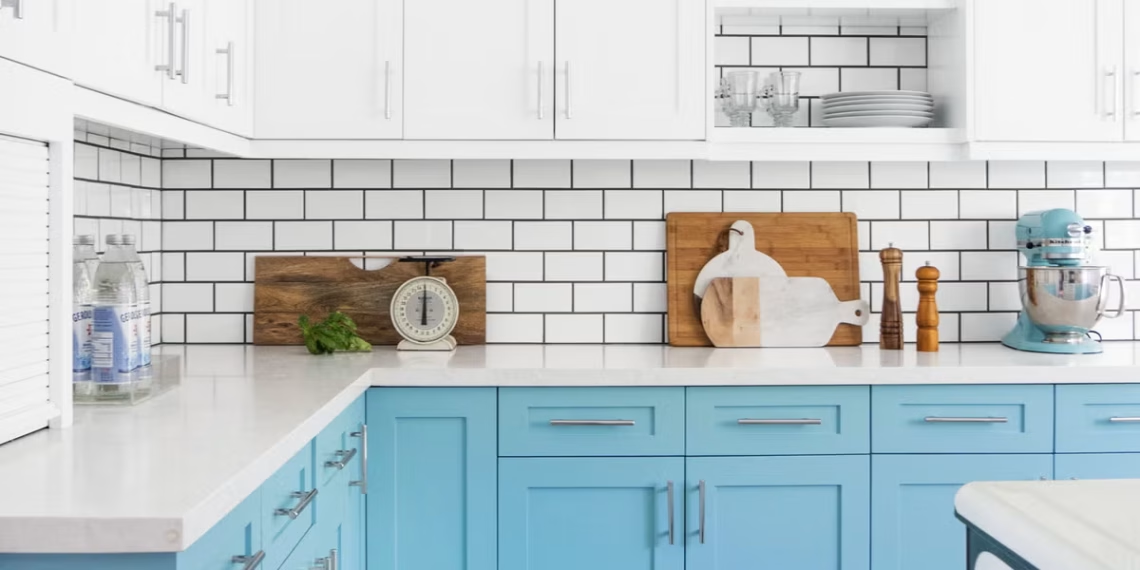
Clearing counters down to only daily essentials creates immediate speed. Chopping, mixing, and plating flow without interruption. The brain also works faster when the visual field is calm, which helps decisions happen quickly instead of feeling delayed or hesitant.
Grouping Tools by Task Reduces Searching
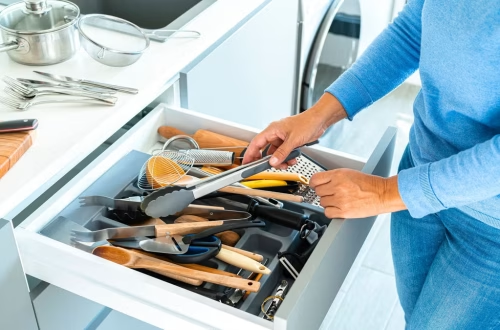
Tools scattered by size or randomness slow everything down. Reaching into multiple drawers for items that serve the same purpose wastes time repeatedly. I save minutes every day by grouping tools based on how they are actually used. Prep tools live together, cooking tools stay near the stove, and baking tools share their own space.
This setup eliminates decision fatigue. I no longer pause to think about where something might be. My hands move automatically, which keeps momentum steady throughout the cooking process.
Daily-Use Items Deserve Prime Placement
Not all items deserve equal access. Items used daily should never be buried behind occasional tools or stored in hard-to-reach places. When frequently used items sit at eye level or within arm’s reach, tasks move faster without conscious effort.
I feel the difference most during busy days. Reaching for a knife, pan, or spice without bending or digging saves seconds that quietly add up. Over time, this simple change reduces both physical strain and mental friction.
Simplifying Drawers Saves More Time Than Expected
Overfilled drawers slow everything down. Opening and closing them becomes awkward, and finding the right item requires extra attention. I streamline drawers by removing duplicates and items that serve no real purpose. Fewer objects mean faster access and easier cleanup.
This simplicity also prevents clutter from creeping back in. When drawers have breathing room, items return to their place naturally. That habit alone saves time every single day without effort.
Consistent Storage Builds Muscle Memory
Consistency is one of the most powerful time-saving tools. When items always return to the same spot, the body remembers where they belong. I stop thinking about storage entirely because my hands already know where to go.
This muscle memory speeds up both cooking and cleaning. Putting things away takes seconds instead of minutes. Over time, this consistency creates a rhythm that feels effortless.
Open Visibility Prevents Forgotten Items
Hidden items waste time indirectly. Ingredients forgotten in the back of cabinets lead to last-minute substitutions or extra trips to the store. I save time by storing commonly used ingredients where they are easy to see at a glance. Visibility removes guesswork.
Seeing what is available also speeds up meal decisions. Instead of scanning shelves or opening multiple containers, I know immediately what I can use. This clarity reduces both prep time and mental effort.
Labeled Storage Eliminates Micro-Delays
Labels seem minor, but they prevent small pauses that happen dozens of times a day. Opening containers to confirm contents adds up quickly. I label pantry containers and freezer items clearly so there is no uncertainty.
These micro-delays are easy to overlook, but eliminating them creates noticeable time savings. Tasks feel smoother, and decisions happen instantly. The kitchen feels responsive instead of sluggish.
Vertical Space Frees Horizontal Time
Crowded shelves and cabinets slow movement. Using vertical space creates breathing room where it matters most. I rely on shelf risers, hooks, and stacked storage to keep items visible without stacking them directly on top of each other.
This approach prevents constant rearranging. Items slide out cleanly instead of requiring a full shuffle. Less movement means faster access and fewer interruptions.
One-Step Access Speeds Everything Up
Time disappears when tasks require multiple steps to access a single item. Moving one thing to reach another adds friction to every action. I reorganize storage so essential items can be reached in one motion whenever possible.
This applies to cookware, spices, and even trash placement. One-step access keeps cooking fluid and prevents unnecessary interruptions. Over time, this design choice quietly saves hours.
Cleaning As You Go Becomes Natural
Organization makes cleaning easier, not harder. When every item has a clear home, putting things away feels automatic. I notice that clean-as-you-go habits form naturally in an organized kitchen because nothing feels like a hassle.
This habit saves time at the end of cooking sessions. Instead of facing a pile of dishes and clutter, cleanup stays manageable throughout the process. The kitchen resets itself without effort.
Simplified Pantry Zones Reduce Decision Time
Pantries filled without structure slow down meal prep. I divide pantry space into simple zones based on function rather than categories that feel abstract. Cooking staples, baking items, snacks, and backups each have their own area.
This structure speeds up both shopping and cooking. I know exactly where to look and what needs restocking. Decisions happen faster because the information is organized visually.
Fewer Duplicates Mean Faster Choices
Duplicate tools and ingredients create unnecessary decisions. When several versions of the same item exist, choosing one takes longer than it should. I remove duplicates unless they serve a clear, distinct purpose.
This reduces both clutter and hesitation. With fewer options, choices feel obvious. Cooking becomes faster because energy is not spent sorting through excess.
Strategic Fridge Layout Saves Daily Minutes
The refrigerator plays a major role in daily efficiency. Items placed without intention lead to digging and rearranging. I organize the fridge so frequently used items sit at eye level, while less-used items stay lower or toward the back.
This layout speeds up both cooking and snacking. I see what I need immediately without moving items around. The fridge stays cleaner because spills are easier to spot and address.
Consistent Container Sizes Speed Storage
Mismatched containers waste time during storage and cleanup. Lids get lost, stacks topple over, and fitting items together becomes frustrating. I use consistent container sizes whenever possible to simplify stacking and storage.
This consistency saves time every time leftovers are packed or ingredients are stored. Everything fits neatly without trial and error. The kitchen stays orderly with minimal effort.
Designated Drop Zones Prevent Pileups
Clutter often forms when items lack a temporary home. Mail, groceries, and bags end up on counters because there is nowhere else to put them. I create designated drop zones that catch these items before they spread.
These zones prevent clutter from forming in the first place. Clearing them takes minutes instead of hours. Time is saved because mess never gains momentum.
Small Adjustments Create Lasting Efficiency
The most effective changes are the ones that blend into daily life. I do not need reminders to stay organized because the system supports itself. Each adjustment reinforces the next, creating a loop of efficiency.
Time savings compound quietly. What feels like seconds today becomes hours over weeks and months. The kitchen works with me instead of slowing me down.
Reduced Friction Improves Focus
Less time spent managing space means more time spent cooking with intention. Organization removes background noise that distracts attention. I notice better focus and fewer mistakes when the kitchen flows smoothly.
This clarity makes cooking feel easier, even on busy days. Tasks feel lighter because they require less mental energy. The result is both time saved and stress reduced.
Final Thoughts
Simple organization changes save time because they remove friction from everyday actions. Clear placement, consistent systems, and thoughtful layouts reduce unnecessary movement and decision-making. These changes do not demand perfection, only intention.
The true value appears over time. Minutes saved daily turn into hours reclaimed without effort. An organized kitchen quietly supports better habits, smoother cooking, and a calmer pace, proving that small adjustments can have a lasting impact.