Food waste often starts long before a meal reaches the table. I realized that many ingredients spoil not because they are low quality, but because they are stored in ways that slowly work against them. Storage is not a boring afterthought of cooking, it is part of the cooking process itself. When ingredients are stored properly, they retain flavor, texture, and usefulness far longer than expected.
Good storage habits also change how cooking feels day to day. Instead of discovering limp vegetables or stale grains, I open cabinets and refrigerators with confidence. That sense of readiness removes friction from cooking and makes meals easier to assemble. Proper storage is less about perfection and more about consistency and awareness.
Once storage becomes intentional, ingredients start working with you instead of against you. The kitchen feels calmer, waste drops noticeably, and flavors stay closer to their peak.
Dry Goods Need Protection From Air and Light
Dry ingredients may seem indestructible, but air and light slowly degrade them. Flour, rice, pasta, and grains absorb moisture and odors if left exposed. I transfer most dry goods into airtight containers to create a stable environment.
Light also affects quality over time. Cabinets protect ingredients better than open shelves, especially for items used less frequently. Even clear containers benefit from being stored away from direct light.
This small adjustment dramatically extends shelf life. Dry goods remain neutral and dependable instead of developing off flavors.
Spices Lose Power Faster Than Expected
Spices fade quietly, not suddenly. Heat, light, and air strip them of aroma long before they look spoiled. I store spices away from the stove and out of sunlight to slow this process.
Whole spices last longer than ground ones. Grinding small amounts as needed preserves intensity without requiring complex tools. Even simple crushing releases more flavor than old powder.
Keeping a smaller collection helps freshness. Spices that are actually used get replaced naturally instead of aging unnoticed.
Oils Need Darkness and Stability
Oils are sensitive to light, heat, and oxygen. Left exposed, they oxidize and develop bitterness. I store oils in dark containers or cabinets away from heat sources.
Using smaller bottles reduces exposure over time. Opening large containers repeatedly speeds up degradation. Freshness matters more than volume.
Refrigeration can help for delicate oils, but consistency matters most. Stable conditions protect flavor and usefulness.
Vinegars and Sauces Prefer Cool, Dark Spaces
Vinegar is resilient but not invincible. Light and heat slowly dull its sharpness. I keep bottles tightly sealed and stored away from warmth.
Sauces containing sugar, salt, or fermentation benefit from similar treatment. Refrigeration after opening extends life and maintains balance. This applies even if labels suggest otherwise.
Good storage keeps flavors focused rather than flat. These ingredients stay ready for fine adjustments.
Fresh Produce Needs Individual Attention
Not all produce belongs in the same place. Some items thrive in cold, while others lose flavor quickly when chilled. I separate produce based on texture and moisture needs.
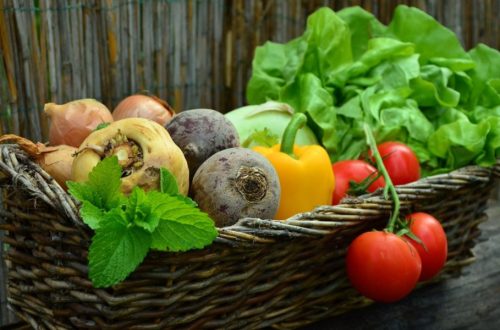
Leafy greens last longer when wrapped loosely to control humidity. Root vegetables prefer darkness and airflow. Tomatoes stay flavorful at room temperature rather than refrigeration.
This separation prevents chain spoilage. One bad ingredient no longer takes others with it.
Herbs Last Longer With Simple Care
Fresh herbs suffer when treated like vegetables. They require moisture balance rather than dryness or saturation. I trim stems and store herbs upright with light coverage.
Refrigeration helps most herbs, while others prefer room temperature. Checking them every few days prevents decay from spreading.
With minimal effort, herbs stay usable far beyond expectations. Flavor remains bright instead of dull.
Dairy Benefits From Stable Placement
Dairy products degrade faster when temperature fluctuates. Refrigerator doors experience the most variation, so I avoid storing milk or cream there. Central shelves offer better consistency.
Cheese benefits from breathable wrapping rather than airtight sealing. This prevents moisture buildup while slowing drying. Each type responds differently, but balance is key.
Stable storage preserves texture and flavor. Dairy lasts longer and performs better in cooking.
Eggs Last Longer Than Most People Think
Eggs are naturally protected but sensitive to temperature shifts. Refrigeration extends their life significantly. Keeping them in their original carton prevents odor absorption.
Avoid washing eggs before storage. Moisture removes their protective coating and shortens shelf life. Washing right before use is safer.
Proper handling makes eggs one of the most reliable staples. They stay fresh far longer than expected.
Bread Storage Depends on Timing
Bread storage changes depending on how quickly it will be eaten. Short-term storage works best at room temperature with airflow. Long-term storage benefits from freezing.
Refrigeration accelerates staling and should be avoided. Freezing preserves structure if done properly. Slicing before freezing improves convenience.
Handling bread intentionally prevents waste. Texture and flavor remain closer to fresh.
Freezing Works Best With Preparation
Freezing is powerful but not careless. Ingredients should be portioned, sealed tightly, and labeled clearly. This prevents freezer burn and confusion.
Cooling food fully before freezing protects texture. Liquids expand, so containers need space. Small details prevent quality loss.
Freezing becomes a tool rather than a last resort. Ingredients reenter cooking smoothly.
Meat Storage Relies on Timing and Separation
Raw meat should be stored cold and contained. I place it on lower shelves to avoid cross-contamination. Airtight wrapping limits exposure to air.
Freezing meat early preserves quality better than waiting. Portioning before freezing avoids repeated thawing. Each step protects texture.
Proper meat storage supports both safety and flavor. It removes uncertainty from cooking.
Dry Produce Needs Airflow, Not Sealing
Potatoes, onions, and garlic suffer when sealed. They require airflow and darkness. I store them separately to prevent moisture buildup.
Plastic traps humidity and accelerates spoilage. Paper bags or open baskets work better. Temperature stability matters more than cold.
These ingredients last significantly longer when left undisturbed. Their structure stays intact.
Cooked Food Needs Thoughtful Cooling
Hot food placed directly into storage creates condensation. This moisture degrades texture and encourages spoilage. I allow food to cool partially before sealing.
Shallow containers cool faster and more evenly. Dividing large portions helps temperature drop safely. These steps protect both safety and quality.
Stored properly, leftovers become assets rather than obligations. Reheating yields better results.
Labels Prevent Waste Before It Starts
Unlabeled containers create hesitation. Uncertainty leads to waste. I label dates and contents clearly to remove guesswork.
This habit keeps storage honest. Food gets used in the right order. Nothing lingers forgotten.
Organization supports accountability. Ingredients stay visible and purposeful.
The Psychology of Flavor: Why Some Meals Feel More Satisfying
Freshness affects perception more than complexity. Ingredients stored properly retain aroma, texture, and clarity. These qualities shape satisfaction.
When food tastes as intended, meals feel complete. The mind recognizes balance and rewards it. Storage quietly supports that experience.
Good storage creates trust. Cooking feels reliable rather than risky.
Storage Shapes Cooking Decisions
Accessible ingredients encourage use. Hidden or spoiled items discourage effort. Storage influences behavior more than intention.
When ingredients look appealing, they invite cooking. This visual cue matters. Order supports momentum.
Good storage removes barriers. Cooking becomes the obvious choice.
Containers Matter More Than Brands
Effective containers seal properly and suit the ingredient. Uniform sets simplify organization. Size variety supports flexibility.
Glass allows visibility while resisting odor retention. Durable materials last longer. Function outweighs aesthetics.
The right container prevents gradual loss. Ingredients stay closer to their best.
Rotation Prevents Silent Waste
New items should move behind older ones. This habit ensures first-in-first-out use. I adjust shelves regularly to maintain flow.
Rotation keeps inventory honest. Ingredients get used while still fresh. Waste decreases naturally.
This habit requires little effort. Awareness does the work.
Storage Is a Skill, Not a Rulebook
No system works perfectly for everyone. Climate, habits, and cooking style matter. I adjust storage based on experience rather than strict rules.
Observation guides improvement. If something spoils quickly, storage changes. Feedback sharpens judgment.
Storage evolves alongside cooking. Both benefit from attention.
Final Thoughts
Storing ingredients so they actually last is about respect and consistency. Each ingredient has needs that are simple once noticed. Meeting them preserves flavor, texture, and usefulness.
Good storage reduces waste, stress, and disappointment. It turns the kitchen into a reliable space rather than a guessing game. Cooking becomes smoother because the foundation is solid.
Proper storage does not require perfection. It requires awareness, small adjustments, and the willingness to let ingredients guide their own care.