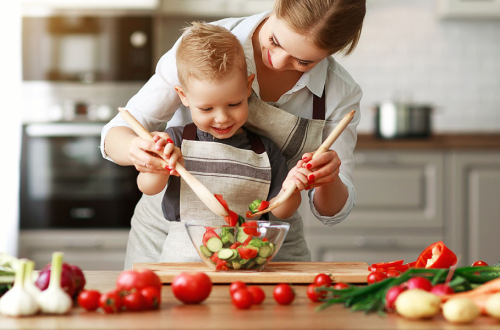
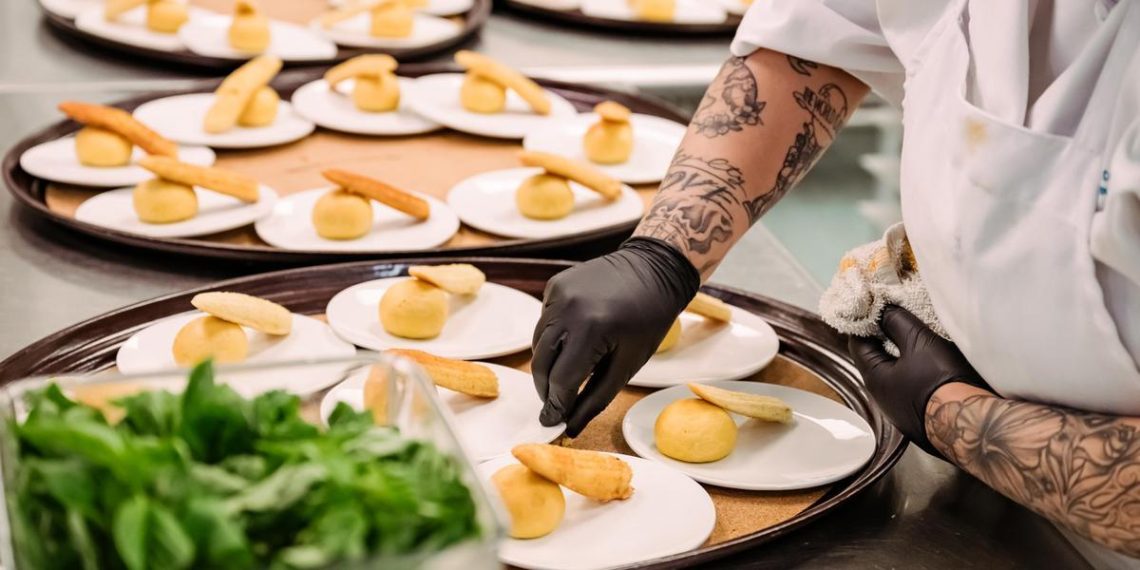
Restaurant food has a way of feeling fuller, richer, and more memorable than what comes out of a home kitchen. That difference is not magic, and it is rarely about secret ingredients. It comes from habits, priorities, and decisions that happen quietly during cooking. Once those patterns become visible, the gap between home food and restaurant food starts to close.
I noticed this difference long before I could explain it. The same dish cooked at home tasted fine, sometimes even good, yet it lacked the depth I expected. Over time, I realized that restaurants are not chasing perfection but consistency and impact. They design food to deliver flavor clearly and confidently.
Fixing this gap at home does not require professional equipment or complicated techniques. It requires shifting focus from rules to results. Small changes in seasoning, heat, and mindset can dramatically alter how food tastes.
Restaurants Cook With a Clear Flavor Goal
Restaurants rarely cook without intention. Every dish is designed to hit a specific flavor profile, whether that is richness, brightness, comfort, or contrast. Home cooking often skips this step, moving straight into preparation without deciding what the food should feel like.
I began asking myself a simple question before cooking: what should this dish taste like at the end? That question guided every choice afterward. Seasoning, fat, acidity, and texture started working together instead of competing.
Without a clear goal, food becomes technically correct but emotionally flat. Restaurants succeed because they commit to a direction and support it at every stage.
Salt Is Used Differently and More Confidently
Salt is one of the biggest differences between restaurant food and home cooking. Restaurants season early, often, and with confidence. Home cooking tends to hold back out of fear of overdoing it.
I learned that salting only at the end rarely delivers the same depth. Layering salt throughout cooking builds structure and clarity. Each stage locks seasoning into the food rather than leaving it on the surface.
This does not mean food should taste salty. It means salt should be present enough to support other flavors. Once that balance clicks, food immediately tastes more restaurant-like.
Fat Is Treated as a Flavor Carrier
Restaurants are generous with fat because fat carries flavor. Butter, oil, and cream are used intentionally to enhance texture and mouthfeel. Home cooking often reduces fat without replacing its function.
I noticed that dishes tasted thin even when seasoning was correct. Adding a small amount of fat at the right moment changed everything. Sauces felt smoother, vegetables tasted rounder, and proteins felt more satisfying.
The fix is not excess, but purpose. Fat should be added where it improves flavor, not removed automatically. That shift alone closes much of the flavor gap.
Heat Is Controlled More Precisely
Professional kitchens pay close attention to heat. Too much heat burns flavor, while too little prevents proper browning. Home cooking often swings between extremes.
I stopped defaulting to high heat and started watching how food reacted. Gentle sizzling instead of aggressive noise became my guide. Browning improved, and bitterness disappeared.
Proper heat creates depth through caramelization and controlled cooking. That depth is a cornerstone of restaurant flavor and is fully achievable at home with attention and patience.
Timing Is Treated as an Ingredient
Restaurants respect timing as much as ingredients. Resting meat, reducing sauces properly, and finishing dishes at the right moment are all deliberate acts. Home cooking often rushes these steps.
I used to plate food the moment it was cooked. Allowing brief rests improved texture and flavor noticeably. Juices redistributed, and sauces settled into balance.
Timing is invisible but powerful. Giving food the time it needs often fixes problems that seasoning alone cannot.
Sauces and Finishing Touches Matter More Than Expected
Restaurants rely heavily on sauces, oils, and finishing elements. These components bring cohesion and polish. Home cooking sometimes treats them as optional.
Adding a simple pan sauce, a drizzle of oil, or a squeeze of acid at the end transformed my dishes. These touches connected flavors and sharpened contrast.
Finishing elements are not decorative. They complete the dish. Without them, food can taste unfinished even if everything else is correct.
Ingredients Are Prepared for Maximum Impact
Restaurants prep ingredients to highlight their strengths. Vegetables are dried properly, proteins are tempered, and aromatics are handled with care. Home cooking often skips these steps.
I began paying attention to moisture and temperature. Drying vegetables before cooking improved browning. Letting proteins sit briefly at room temperature improved even cooking.
Preparation sets the stage for flavor. Better prep leads to better results without extra effort.
Consistency Beats Experimentation in Restaurants
Restaurants repeat dishes constantly. This repetition refines technique and seasoning. Home cooking often jumps between recipes without building familiarity.
Repeating dishes taught me where flavor was lost or gained. Small adjustments accumulated into noticeable improvements. Familiarity replaced guesswork.
Consistency allows confidence. Confidence allows restraint. That combination produces clearer, more satisfying flavor.
The Psychology of Flavor: Why Some Meals Feel More Satisfying
Restaurant food feels satisfying because it balances multiple sensory elements at once. Texture, aroma, temperature, and flavor work together to create completeness. Home cooking sometimes focuses only on taste.
I noticed that meals felt better when they included contrast. Something crisp alongside something soft, something rich balanced by acidity. These contrasts made simple food feel intentional.
Satisfaction is not about intensity. It is about balance and coherence. Restaurants design for that experience deliberately.
Acid Is Used More Intentionally
Acid is a powerful tool in restaurant kitchens. It brightens flavors and cuts through richness. Home cooking often underuses it or applies it unevenly.
I began adding small amounts of acid at the end of cooking rather than during. Lemon juice, vinegar, or fermented elements brought clarity without sourness.
Acid does not make food taste acidic when used correctly. It makes flavors more vivid. This is one of the fastest fixes for flat-tasting food.
Texture Is Considered From Start to Finish
Restaurants think about how food feels in the mouth. Crunch, creaminess, and tenderness are planned. Home cooking often discovers texture by accident.
I started asking how each element would feel when eaten together. Adding toasted nuts, crispy garnishes, or fresh herbs changed the experience dramatically.
Texture adds dimension. Without it, food can taste one-note no matter how well seasoned.
Restaurants Finish Food Right Before Serving
Timing service is crucial in restaurants. Food is finished and served immediately to preserve texture and aroma. Home cooking sometimes lets food sit too long.
I learned to coordinate finishing touches closer to serving time. This kept flavors brighter and textures intact. Even simple meals improved noticeably.
Serving temperature affects flavor perception. Hot food tastes richer, and fresh elements stay lively. That attention matters.
Home Cooking Often Lacks Confidence
Confidence shapes flavor decisions. Restaurants commit to seasoning and technique because they trust their process. Home cooking hesitates.
I noticed that my best meals happened when I trusted my instincts. Doubt led to under-seasoning and cautious cooking. Confidence brought clarity.
Building confidence comes from repetition and reflection. Each successful meal reinforces the next.
Restaurants Design Food for Impact, Not Restraint
Restaurants aim to impress within a few bites. Home cooking often aims for moderation and practicality. That difference affects flavor intensity.
I learned that meals do not need to be extreme to be impactful. They need focus. Selecting one or two elements to highlight made dishes feel deliberate.
Impact does not require excess. It requires direction and follow-through.
Clean Transitions Improve Flavor
Restaurants move smoothly between steps. Ingredients flow from prep to pan to plate without disruption. Home cooking sometimes stalls.
I began organizing steps more intentionally. This prevented overcooking and preserved freshness. Flow improved both speed and flavor.
Smooth transitions reduce stress and mistakes. Less stress leads to better judgment.
Presentation Influences Taste More Than Expected
Presentation affects perception. Restaurants understand this deeply. Home cooking sometimes overlooks it.
Plating with care improved how food was received, even by myself. Simple spacing, clean edges, and thoughtful arrangement made meals feel finished.
Presentation does not require artistry. It requires attention. That attention signals value.
Final Thoughts
Restaurant food tastes different because it is cooked with clarity, confidence, and intention. The techniques are not secret, and the ingredients are often familiar. What changes is how decisions are made and supported throughout cooking.
Fixing the gap at home starts with small shifts. Season earlier, respect heat, use fat and acid intentionally, and finish dishes with care. These changes build quickly and compound over time.
Home cooking does not need to imitate restaurants exactly. It benefits most from adopting their mindset. With focus and confidence, everyday meals can deliver the depth and satisfaction often associated only with dining out.