Home cooking wins the taste battle in ways that go far beyond nostalgia or habit. Every time I step into the kitchen, I’m reminded that flavor isn’t just about ingredients; it’s about control, intention, and connection. The meals that come from my own stove carry depth and character that no delivery box has ever matched. Takeout can be convenient, but convenience rarely delivers the kind of satisfaction that lingers long after the plate is cleared.
Cooking at home creates a direct relationship between effort and reward. Each decision, from how finely to chop an onion to how long a sauce simmers, shapes the final result. That sense of authorship matters more than most people admit. Food tastes better when it feels earned, and home cooking offers that feeling every single time.
Control Over Ingredients Changes Everything
The biggest reason home cooking tastes better starts with what goes into the pan. In my own kitchen, I decide the quality of the vegetables, the cut of meat, and the freshness of herbs. Takeout kitchens often work with cost constraints that push them toward shortcuts, preservatives, and bulk ingredients that sacrifice flavor for efficiency. That difference shows up immediately on the palate.
Salt is a perfect example of this control. Restaurants often oversalt because food has to survive transport and still taste bold after cooling. At home, I season gradually, tasting as I go, letting flavors build instead of shouting. That balance creates meals that feel complete rather than overwhelming.
Freshness You Can Actually Taste
Freshness is not a marketing buzzword when it comes to flavor. A tomato sliced minutes before cooking tastes radically different from one that has sat prepped in a container all day. Home cooking allows ingredients to move directly from fridge or countertop to heat, preserving natural sugars and aromas. That immediacy cannot be replicated by takeout, no matter how skilled the kitchen staff may be.
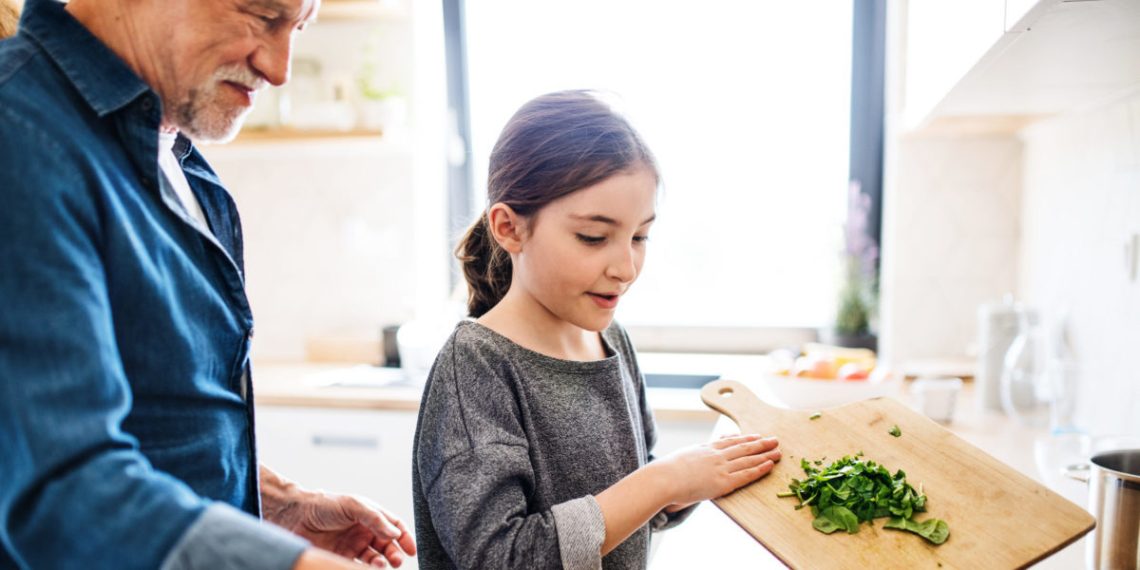
Herbs especially highlight this difference. Chopping fresh cilantro or basil releases oils that disappear quickly once cut. In my kitchen, those aromas hit the dish at their peak, not hours later. The result is food that smells alive and tastes vibrant instead of muted.
Cooking Methods Shape Flavor, Not Speed
Takeout kitchens are designed for speed and volume. Home kitchens are designed for care. That difference affects how food is cooked at a fundamental level. Slow roasting, gentle simmering, and patient browning rarely fit into the takeout business model, yet those techniques are where deep flavor develops.
When I cook at home, I let onions caramelize properly instead of rushing them. I allow soups to rest and deepen after cooking. These pauses create layers of flavor that fast-paced commercial kitchens often skip. Taste rewards patience, and home cooking respects that truth.
Personal Taste Always Wins
No two people experience flavor the same way. Home cooking tastes better because it’s tailored to my own preferences, not an average customer profile. I know how much heat I enjoy, how acidic a sauce should be, and which textures I find comforting. Takeout aims for broad appeal, which often means sanding off the edges that make food memorable.
Adjusting a recipe mid-cook is another advantage. If a dish needs brightness, I add lemon. If it feels flat, I reach for spices. That constant dialogue with the food creates results that feel custom-made rather than standardized.
Emotional Connection Enhances Flavor
Taste is never purely physical. Memory, mood, and environment all influence how food is perceived. Home cooking carries emotional weight that takeout rarely achieves. The act of cooking itself builds anticipation, and anticipation sharpens the senses.
Meals prepared at home often tie into routines, family traditions, or personal milestones. Even cooking alone can be grounding, turning dinner into a quiet ritual instead of a transaction. That emotional context amplifies flavor in a way packaging and delivery cannot.
Texture Matters More Than Expected
Takeout food travels, and travel is unkind to texture. Crispy foods soften, sauces separate, and steam gets trapped where it shouldn’t. Home cooking avoids these compromises because the food goes straight from pan to plate. That immediacy preserves contrasts that make dishes exciting.
A properly seared piece of chicken keeps its crust. Vegetables stay crisp-tender instead of limp. Pasta holds its structure instead of soaking in sauce for too long. These textural details are subtle, but they significantly affect how good a meal tastes.
Seasoning Happens With Intention
Seasoning is more than adding salt at the end. Home cooking allows seasoning at every stage, which builds complexity instead of surface-level flavor. Salting vegetables before cooking draws out moisture and intensifies taste. Spices toasted early release oils that perfume the entire dish.
Takeout kitchens often season at the final step for efficiency. That approach creates boldness but not depth. In my kitchen, seasoning is a conversation that continues from prep to plating, and that conversation results in richer, more balanced food.
The Kitchen Environment Influences Taste
Eating at home changes how food is experienced. The familiar surroundings, the absence of packaging smells, and the comfort of one’s own table all affect perception. Food eaten from a ceramic plate with proper cutlery simply tastes better than food eaten from a cardboard box.
Home environments also encourage mindful eating. Without the rush to beat cooling food or the distraction of delivery logistics, meals become more intentional. That focus allows flavors to register fully instead of fading into the background.
Portion Balance Improves Satisfaction
Takeout portions are often designed to impress visually or justify cost. That usually means oversized servings or heavy reliance on starches and sauces. Home cooking tastes better partly because portions make sense. Balanced plates allow each component to shine without overwhelming the palate.
Eating appropriate portions also prevents flavor fatigue. Rich foods remain enjoyable when they’re not excessive. Home cooking respects balance, and balance enhances taste over the course of an entire meal.
Fats Are Used More Thoughtfully
Fat carries flavor, but too much dulls it. Home cooking gives control over both the type and amount of fat used. Olive oil, butter, or rendered fat can be chosen deliberately rather than defaulting to the cheapest option. That choice affects mouthfeel and aroma in noticeable ways.
Takeout food often relies on heavy fats to ensure satisfaction even after transport. At home, fats support flavor instead of masking it. That restraint leads to meals that feel lighter yet more flavorful.
Smell and Taste Work Together
Smell plays a major role in how food tastes, and home cooking fills the space with aromas long before eating begins. Those smells prime the senses, making the first bite more impactful. Takeout skips this stage entirely, delivering food without the buildup.
Cooking smells also signal freshness. The scent of garlic hitting hot oil or bread baking in the oven sets expectations that are immediately fulfilled at the table. That alignment between smell and taste strengthens overall enjoyment.
Mistakes Turn Into Signature Flavors
Home cooking allows room for imperfection, and imperfection often leads to uniqueness. A sauce reduced slightly too far or spices added more generously than planned can become a defining feature of a dish. These small deviations create personality.
Takeout aims for consistency above all else. While consistency has value, it often comes at the cost of character. Home cooking embraces variability, and that variability keeps food interesting and personal.
Timing Is Always Perfect
Food tastes best at the moment it’s meant to be eaten. Home cooking aligns preparation and eating seamlessly. There’s no waiting for a driver, no reheating, and no guessing how long food has been sitting.
That perfect timing preserves temperature, texture, and aroma. Hot food stays hot, cold food stays crisp, and everything lands on the plate exactly as intended. This immediacy alone gives home cooking a significant advantage.
Skill Builds Flavor Over Time
Cooking regularly improves intuition. Over time, hands learn how dough should feel and ears recognize the sound of proper browning. These sensory skills directly influence taste. Each meal becomes better than the last because experience accumulates.
Takeout removes the cook from the learning process. Home cooking turns every meal into practice, and practice refines flavor. The improvement is gradual but unmistakable.
Cost Awareness Encourages Better Choices
Knowing the cost of ingredients changes how they’re used. Home cooking encourages respect for food, which often translates into careful preparation and reduced waste. That care shows up in flavor because nothing is treated as disposable.
Takeout pricing hides ingredient quality behind a single number. At home, spending more on a good ingredient feels justified because its impact is clear. Better ingredients, treated well, taste better.
Shared Meals Feel Different
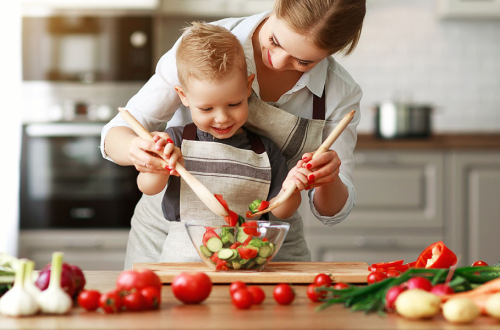
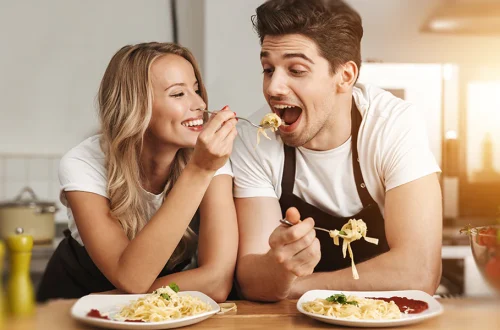
Cooking for others adds another layer to flavor. Sharing a home-cooked meal creates a sense of generosity that enhances enjoyment for everyone involved. Conversation flows differently when food is part of a shared experience rather than a delivered product.
That social connection deepens satisfaction. Laughter, stories, and familiarity blend with flavor, creating meals that are remembered long after the dishes are done. Takeout rarely leaves that kind of imprint.
Home Cooking Ages Better Than Trends
Food trends come and go, often driven by social media rather than taste. Home cooking remains grounded in fundamentals that don’t expire. Techniques, balance, and ingredient respect outlast any viral dish.
Meals cooked at home adapt naturally to seasons and moods. That adaptability keeps flavors relevant and comforting year after year. Takeout menus chase novelty, while home cooking builds continuity.
Final Thoughts
Home cooking tastes better because it engages every sense, every choice, and every emotion involved in eating. The control over ingredients, timing, and technique creates food that feels complete rather than compromised. Each meal reflects intention instead of efficiency, and that difference is impossible to ignore.
Takeout will always have a place for convenience, but convenience rarely delivers depth. The flavors that come from a home kitchen carry effort, memory, and care in every bite. That combination is timeless, and it’s why home cooking will always win.