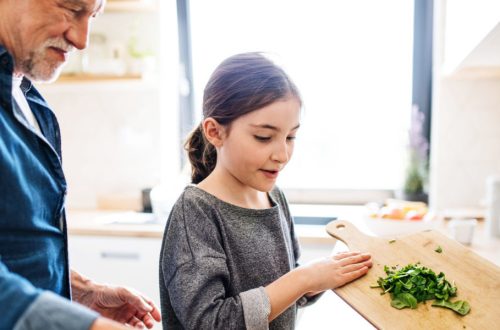
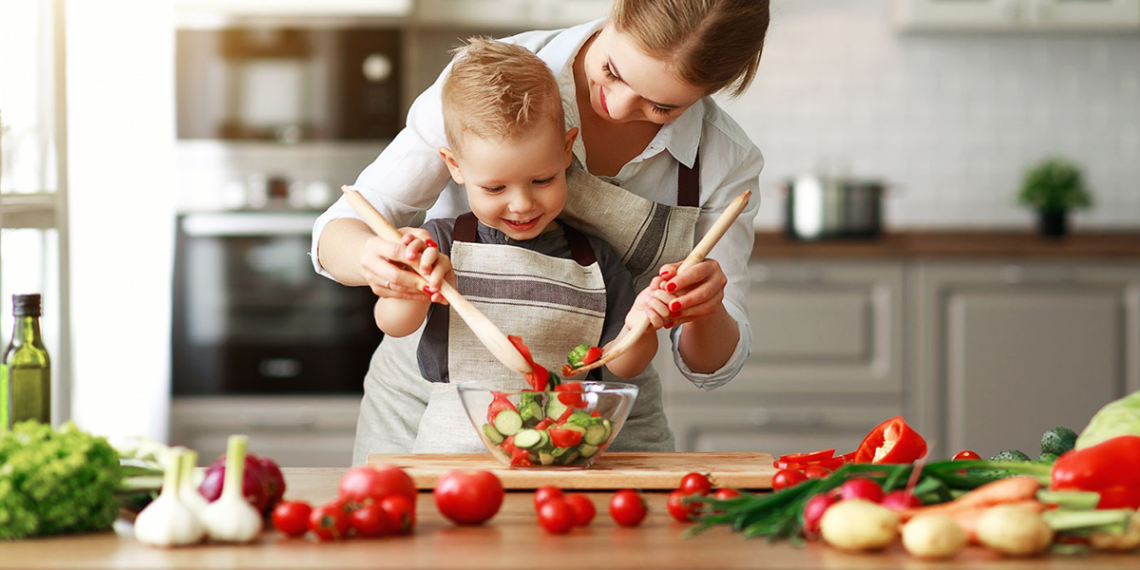
Confidence in the kitchen doesn’t arrive after years of experience or perfect meals. It starts the moment the stove turns on and a decision is made to try. Cooking can feel intimidating at first, but hesitation usually comes from fear of mistakes rather than actual difficulty. Once that fear loosens its grip, the kitchen becomes a place of experimentation instead of pressure.
Building confidence early is less about mastering recipes and more about developing trust in small actions. Each chopped onion, each simmering pot, and each adjusted seasoning adds proof that cooking is manageable. Confidence grows quietly, meal by meal, long before perfection ever enters the picture.
Starting With Simple Wins
Early confidence thrives on achievable success. Complex recipes with long ingredient lists often overwhelm and discourage progress. Simple dishes create momentum because they allow focus on basic techniques rather than constant instruction checking.
Completing a straightforward meal builds familiarity with heat, timing, and seasoning. That familiarity replaces doubt with reassurance. Success doesn’t need to be impressive; it only needs to be real.
Treating Mistakes as Part of the Process
Mistakes are unavoidable in cooking, yet many people see them as failure instead of feedback. Burned garlic, oversalted soup, or undercooked rice are lessons disguised as disappointment. Each mistake narrows the gap between uncertainty and skill.
Accepting errors removes pressure. The kitchen becomes a space for learning rather than judgment. Confidence grows faster when mistakes are expected rather than feared.
Repeating Core Techniques
Confidence strengthens through repetition, not variety alone. Cooking the same few dishes multiple times reveals patterns in timing, heat, and seasoning. Familiarity reduces hesitation because outcomes become predictable.
Repeating techniques like sautéing, roasting, or boiling builds muscle memory. That memory translates into calm decision-making. Comfort replaces guesswork once movements feel natural.
Using the Senses as Guides
Recipes offer structure, but the senses provide real-time guidance. Listening to the sound of sizzling, watching color changes, and smelling aroma shifts build awareness. These cues teach far more than written instructions.
Trusting the senses encourages independence. Over time, adjustments happen instinctively. That instinct is the foundation of confidence in the kitchen.
Preparing Before Cooking Begins
Confidence suffers when chaos enters the process. Scrambling to chop ingredients mid-cook leads to rushed decisions and stress. Preparation creates control.
Having ingredients ready before heat is applied allows focus on technique. Calm pacing replaces anxiety. That sense of order supports better outcomes and steadier confidence.
Keeping Tools Simple and Familiar
An overload of gadgets complicates early cooking experiences. Too many tools introduce distraction instead of support. A small set of reliable basics encourages focus on fundamentals.
Using familiar equipment builds comfort. Each interaction reinforces competence. Confidence grows when tools feel like extensions of the hands rather than obstacles.
Cooking Regularly Without Pressure
Consistency matters more than intensity. Cooking occasionally with high expectations creates stress, while regular low-pressure cooking builds ease. Frequency normalizes the process.
Each session reinforces familiarity with the kitchen environment. Confidence develops through repetition, not special occasions. Routine transforms cooking into a natural habit.
Avoiding Comparison With Others
Comparing home cooking to restaurant meals or online images undermines confidence. Those standards ignore context, resources, and experience. Cooking is personal, not competitive.
Focusing on progress rather than comparison preserves motivation. Each improvement, however small, counts. Confidence grows when attention stays on personal development.
Learning One New Skill at a Time
Trying to improve everything at once creates overwhelm. Focusing on a single skill allows deeper understanding and quicker mastery. Progress feels tangible instead of scattered.
Each new skill becomes a building block. Confidence expands steadily rather than shakily. Mastery accumulates through patience.
Trusting Personal Taste
Confidence weakens when approval is outsourced. Cooking improves when personal preference guides decisions. Taste varies, and that variation is valid.
Adjusting seasoning to suit individual taste strengthens ownership. The dish becomes personal rather than borrowed. Confidence flourishes when food reflects preference rather than expectation.
Keeping Recipes Flexible
Rigid adherence to recipes discourages intuition. Treating recipes as guides allows adaptation. That flexibility builds problem-solving skills.
Adjusting based on available ingredients or taste builds confidence. Each successful adaptation reinforces independence. Cooking becomes responsive instead of restrictive.
Accepting Imperfect Presentation
Appearance often intimidates beginners. Perfect plating feels unattainable and unnecessary. Flavor matters more than symmetry.
Letting go of visual perfection removes pressure. Confidence grows when success is measured by enjoyment rather than aesthetics. Presentation improves naturally over time.
Cooking for Yourself First
Cooking for others adds pressure early on. Cooking for oneself allows experimentation without judgment. Mistakes feel lighter when stakes are low.
Personal cooking builds internal validation. Satisfaction comes from personal enjoyment rather than external approval. That foundation strengthens confidence before sharing meals.
Recognizing Progress Over Time
Confidence often grows quietly, making progress hard to notice. Reflecting on past experiences reveals improvement. Tasks that once felt daunting become routine.
Acknowledging growth reinforces motivation. Progress becomes proof of capability. Confidence solidifies through recognition.
Keeping Expectations Realistic
Expecting mastery immediately creates frustration. Skill develops gradually. Accepting that reality prevents disappointment.
Realistic expectations allow enjoyment of the process. Confidence builds when progress feels achievable. Patience supports persistence.
Using Feedback Constructively
Feedback can strengthen or weaken confidence depending on interpretation. Treating feedback as information rather than judgment preserves motivation. Not every comment requires action.
Selecting useful feedback encourages improvement without discouragement. Confidence remains intact when feedback informs rather than defines. Growth stays intentional.
Staying Present While Cooking
Distraction leads to mistakes and stress. Staying present improves control and awareness. Focus sharpens decision-making.
Mindful cooking builds connection to the process. Each step feels deliberate. Confidence grows through engagement.
Trusting Timing Through Experience
Timing often feels uncertain early on. Experience teaches rhythm. Repeated exposure builds internal clocks.
Over time, timing becomes intuitive. Confidence replaces reliance on strict timers. Cooking flows more smoothly.
Embracing Simplicity Over Complexity
Complex dishes aren’t required for confidence. Simple food prepared well builds stronger foundations. Mastery starts with basics.
Simplicity allows focus on technique. Confidence strengthens through clarity. Complexity can follow later.
Staying Curious Instead of Critical
Curiosity encourages exploration. Criticism shuts it down. Approaching cooking with curiosity keeps motivation alive.
Questions lead to learning. Learning builds confidence. The kitchen becomes a space of discovery.
Building a Comfortable Kitchen Environment
Physical comfort influences confidence. Adequate lighting, clean surfaces, and organized tools reduce stress. Comfort supports focus.
A welcoming environment encourages regular cooking. Confidence grows when the kitchen feels approachable. Space matters.
Trusting That Confidence Is Built, Not Given
Confidence doesn’t arrive fully formed. It develops through action. Waiting for confidence delays progress.
Cooking despite uncertainty builds belief through experience. Each attempt adds evidence. Confidence follows effort.
Final Thoughts
Building confidence in the kitchen begins with action, not expertise. Simple steps, repeated regularly, create familiarity and trust. Mistakes become lessons, and lessons become skill.
Confidence grows quietly through patience and presence. The kitchen transforms from a place of doubt into a space of creativity and comfort. That transformation starts on day one and continues with every meal prepared.