Most kitchens look functional at first glance, yet daily cooking often feels harder than it should. Movement feels awkward, tools are never quite where they are needed, and simple meals take more time than expected. I notice this pattern across many homes, regardless of size or budget. The problem is rarely the cook, but the setup itself.
Kitchen design has long prioritized appearance over behavior. Cabinets, appliances, and counters are arranged to look balanced rather than to support how food is actually prepared. Over time, this disconnect creates frustration that feels normal simply because it is common. A closer look reveals that many kitchens are built in reverse of how cooking naturally unfolds.
Design Prioritizes Visual Symmetry Over Function
Many kitchens are designed to impress rather than perform. Symmetry, matching cabinets, and centered appliances dominate layout decisions. While visually pleasing, these choices often ignore how the space will be used daily. Cooking becomes an exercise in working around the design instead of benefiting from it.
I feel the impact most when reaching across the kitchen repeatedly during a single task. The layout looks orderly, yet the workflow feels scattered. Function takes a back seat to form, and the cook pays the price in wasted movement and attention.
Storage Ignores the Order of Cooking
Cooking follows a sequence, but most kitchens store items without regard to that order. Ingredients needed at the start are often far from prep areas, while rarely used tools take up prime space. This mismatch creates constant backtracking during cooking sessions.
I notice how often movement doubles back unnecessarily. Dry goods sit far from prep counters, while mixing bowls live across the room. The setup forces inefficiency because storage reflects aesthetics rather than real use.
Prep Space Is Treated as an Afterthought
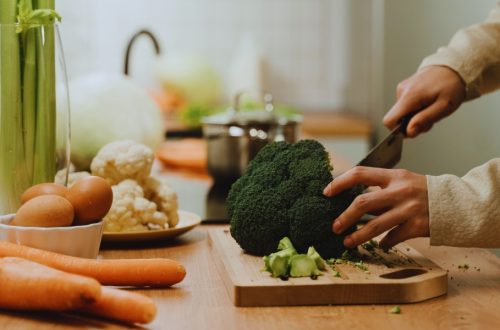
Preparation is the foundation of cooking, yet many kitchens offer minimal usable prep space. Counters are broken up by appliances, decorative items, or awkward corners. This fragmentation makes prep slower and more stressful than it needs to be.
I see how quickly clutter builds when prep space is limited. Ingredients stack on top of each other, and tools compete for room. The kitchen feels crowded not because it is small, but because it was not designed around the most important task.
Appliances Dictate Layout Instead of Workflow
Large appliances often determine kitchen layout before workflow is considered. The stove, fridge, and dishwasher are placed first, with everything else fitting around them. This approach treats cooking as secondary to appliance display.
I feel constrained when appliances interrupt natural movement. A fridge placed far from prep zones or an oven blocking counter flow breaks rhythm. The kitchen ends up serving the machines rather than the person using them.
The Sink Is Often in the Wrong Place
The sink plays a central role in cooking, yet its placement often prioritizes window views over efficiency. Washing produce, cleaning tools, and managing spills all rely on easy sink access. When the sink sits far from prep space, small tasks become repetitive annoyances.
I notice how much time disappears walking back and forth with wet hands or dirty tools. The workflow fragments because water-related tasks feel disconnected. A backwards setup turns a central tool into a logistical obstacle.
Cabinets Favor Height Over Accessibility
Tall cabinets maximize storage but often ignore accessibility. Frequently used items end up stored overhead or in deep spaces that require extra effort to reach. This design favors storage capacity over ease of use.
I feel the inefficiency every time I stretch or bend for something used daily. These small movements add up, slowing the pace of cooking. A better setup would bring essentials closer rather than hiding them out of sight.
Drawers Are Misused or Underused
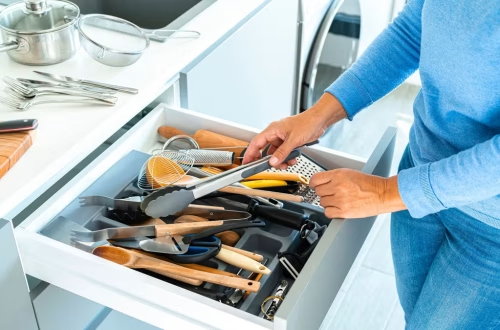
Drawers are among the most functional storage options in a kitchen, yet they are often reserved for miscellaneous items. Valuable drawer space goes to clutter while essential tools get shoved into cabinets. This reversal makes basic tasks harder than necessary.
I see how much faster cooking feels when tools slide out smoothly instead of being pulled from crowded shelves. Drawers support quick access, yet many kitchens treat them as an afterthought. The result is wasted potential built into the design.
Counter Space Is Sacrificed for Decoration
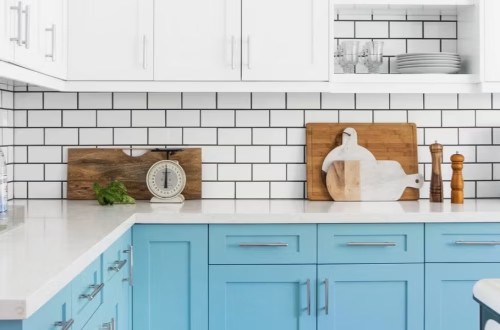
Decorative elements often take priority over usable space. Small appliances, decorative jars, and display items occupy counters permanently. This choice reduces flexibility and forces cooks to work around fixed obstacles.
I notice how quickly frustration rises when counter space disappears. Even simple recipes require more effort because surfaces must be cleared repeatedly. A backwards setup values appearance over practicality.
Lighting Focuses on Ambience Instead of Task
Kitchen lighting often aims for mood rather than function. Soft overhead lights create atmosphere but fail to illuminate work surfaces properly. Shadows form where precision is needed most.
I feel less confident chopping or checking doneness in poorly lit spaces. Task lighting supports accuracy and speed, yet many kitchens neglect it. The design looks inviting but undermines effective cooking.
Pantries Are Designed for Storage, Not Access
Pantries often maximize shelf count without considering visibility. Items stack deep, and ingredients disappear behind one another. This design creates the illusion of abundance while hiding what is actually available.
I experience this every time I buy duplicates of items already owned. Poor access leads to wasted food and time. A sensible pantry would prioritize visibility and flow rather than sheer capacity.
Workflow Is Treated as an Afterthought
Many kitchens are designed without observing how people cook. Workflow is assumed rather than studied. This assumption leads to layouts that feel fine on paper but fail in practice.
I notice how often movement patterns clash. Prep overlaps with cleanup, and cooking zones feel isolated. A backwards setup ignores the reality of multitasking that defines real cooking.
Islands Often Interrupt Instead of Helping
Kitchen islands are popular, but they frequently disrupt movement. Positioned without intention, they block paths and reduce efficiency. What should be a helpful surface becomes a barrier.
I feel this disruption when carrying hot pans or moving quickly between zones. The island looks impressive but complicates navigation. Function should guide placement, not trends.
Too Much Storage Encourages Clutter
Excess storage invites excess belongings. Kitchens filled with cabinets encourage keeping items that are rarely used. This accumulation slows decision-making and increases visual noise.
I notice how clutter creeps in quietly. Tools multiply, and space fills without improving functionality. A backwards setup confuses more storage with better cooking.
Cleanup Is Separated From Cooking Flow
Cleanup is often isolated from the main workflow. Dishwashers sit far from prep areas, and trash placement feels arbitrary. This separation breaks rhythm and extends the time spent in the kitchen.
I feel the disconnect when carrying dirty dishes across the room repeatedly. Cleanup becomes a chore rather than a natural conclusion. A better setup would integrate cleaning into the cooking process.
Standard Designs Ignore Individual Habits
Most kitchens follow standardized templates. These templates ignore individual cooking styles, routines, and preferences. The result is a one-size-fits-all space that fits no one particularly well.
I see how much better cooking feels when the kitchen reflects actual habits. Personalized setups support confidence and efficiency. Backwards kitchens force adaptation instead of offering support.
Furniture-Style Kitchens Limit Practicality
Some kitchens prioritize furniture aesthetics over durability. Delicate finishes and awkward hardware look appealing but wear poorly under daily use. Practicality suffers for the sake of style.
I notice hesitation when using spaces that feel fragile. Cooking should feel robust and forgiving. A backwards setup makes the kitchen feel precious instead of practical.
Noise and Distraction Are Poorly Managed
Kitchens often amplify noise through hard surfaces and open layouts. Sounds clash and echo, adding stress to the environment. This sensory overload affects focus and enjoyment.
I feel tension rise in noisy kitchens. Cooking becomes less immersive and more tiring. Thoughtful design would manage sound rather than ignore it.
Storage Placement Creates Extra Steps
Extra steps add up quickly. Kitchens that require constant bending, stretching, or walking waste energy. These inefficiencies feel small but compound over time.
I notice fatigue setting in faster in poorly designed spaces. A backwards setup demands more effort than necessary. Good design should conserve energy, not drain it.
Design Trends Age Faster Than Good Workflow
Trends come and go, but workflow remains constant. Many kitchens age poorly because they prioritize fashion over function. What looks modern today may feel impractical tomorrow.
I see how timeless kitchens focus on ease of use rather than novelty. A backwards setup chases trends instead of serving long-term needs. Cooking suffers as a result.
Cooking Feels Harder Than It Should
All these issues combine to make cooking feel unnecessarily difficult. Tasks take longer, mistakes happen more often, and enjoyment fades. The cook adapts, but the frustration lingers.
I notice relief immediately in kitchens designed around workflow. Cooking feels lighter and more intuitive. The difference lies not in skill, but in setup.
Final Thoughts
Most kitchen setups are backwards because they prioritize appearance, trends, and assumptions over real behavior. Storage ignores cooking order, appliances dictate layout, and workflow is treated as secondary. These choices quietly sabotage efficiency and enjoyment.
A kitchen should support how food is actually prepared, not how the space is photographed. When design aligns with movement, habit, and sequence, cooking becomes easier and more rewarding. Fixing the backwards logic transforms the kitchen into a place that truly works.