Home cooking reshapes eating habits in ways that feel gradual but lasting. The change does not arrive through strict rules or dramatic overhauls, but through repeated, ordinary meals prepared with intention. Spending time in the kitchen alters how food is viewed, how hunger is handled, and how satisfaction is defined. Over time, eating becomes more deliberate, balanced, and responsive to real needs.
Better eating habits rarely come from willpower alone. They grow out of environments and routines that support thoughtful choices. Cooking at home creates that environment naturally, guiding habits in a steady and forgiving way. Each meal reinforces patterns that make eating feel calmer, more nourishing, and more consistent.
Awareness Grows With Preparation
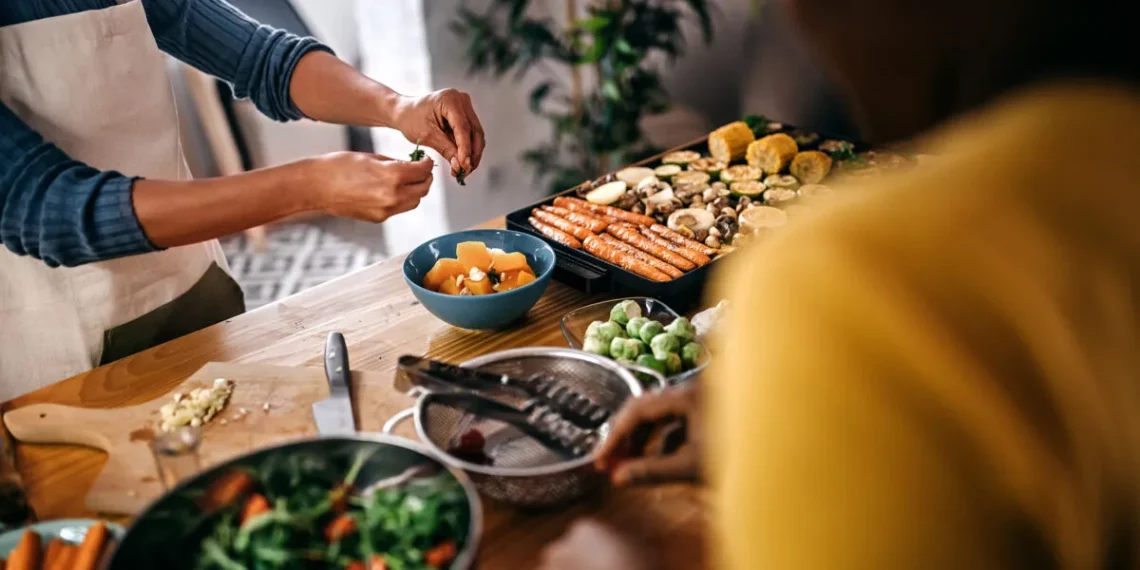
Food awareness begins long before the first bite. Preparing meals at home brings attention to ingredients, portions, and timing in a way that eating out rarely does. Handling food directly makes it harder to ignore what is actually being eaten.
That awareness builds gradually. Measuring, tasting, and adjusting during cooking creates familiarity with amounts and flavors. Over time, this familiarity replaces guesswork with intuition.
Eating habits improve when awareness increases. Food choices feel informed rather than reactive. Cooking turns eating into an active process instead of a passive one.
Hunger Signals Become Clearer
Home cooking encourages eating in response to real hunger rather than convenience or impulse. Meals take time to prepare, which naturally creates a pause between craving and consumption. That pause allows hunger cues to surface more clearly.
Waiting for food shifts attention inward. Physical hunger becomes easier to distinguish from boredom or stress. This clarity helps meals align better with actual needs.
As this pattern repeats, eating habits stabilize. Meals happen with intention instead of urgency. Cooking supports a healthier relationship with hunger by slowing the process down.
Portions Find Their Balance
Portion sizes become more flexible and reasonable through home cooking. Instead of default servings set by packaging or pricing, portions are adjusted based on appetite and experience. This flexibility encourages balance rather than extremes.
Serving food at home allows adjustments without pressure. Plates can be filled modestly, with the option to add more if needed. This approach supports satisfaction without excess.
Over time, portion awareness becomes intuitive. The body’s signals guide serving sizes more reliably. Home cooking helps portions feel natural instead of imposed.
Ingredients Shape Better Choices
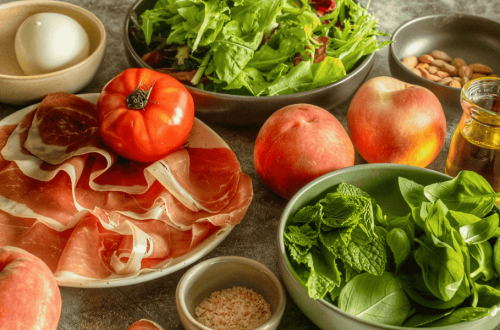
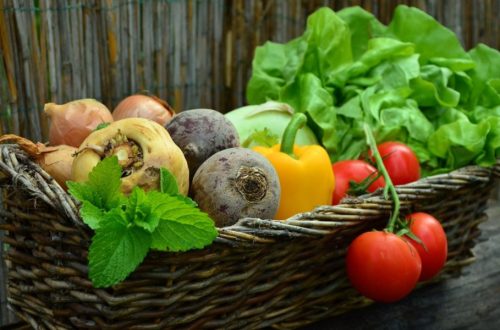
Cooking at home highlights the role of ingredients in a way that packaged meals do not. Seeing food in its raw form emphasizes quality and freshness. Ingredients become recognizable rather than hidden.
This visibility influences decisions. Whole foods often feel more appealing when they are part of regular cooking. Processed options lose some appeal when compared to meals prepared from scratch.
Better eating habits form when ingredient choices improve naturally. Cooking makes it easier to prioritize foods that feel nourishing and satisfying. Those choices repeat because they feel good, not because they are forced.
Consistency Builds Routine
Good eating habits depend on consistency more than perfection. Home cooking supports consistency by anchoring meals in routine. Regular preparation times create structure without rigidity.
That structure reduces uncertainty. Knowing when and how meals will happen removes daily decision stress. Eating becomes predictable in a comforting way.
Consistency supports long-term habits. Cooking does not need to be elaborate to be effective. Simple, repeated meals build a stable foundation for better eating.
Taste Adjusts Over Time
Regular home cooking reshapes taste preferences. Flavors become more nuanced, and extreme sweetness or saltiness feels less necessary. Taste buds adapt gradually through repeated exposure.
Adjusting seasoning during cooking teaches balance. Small changes in flavor have noticeable effects, encouraging moderation. Meals become satisfying without relying on excess.
As taste adjusts, cravings shift. Foods prepared at home often become more appealing than heavily processed options. Eating habits improve because preferences change naturally.
Emotional Eating Becomes More Conscious
Home cooking introduces awareness into emotional eating patterns. Preparing food requires enough effort to interrupt automatic responses to stress or boredom. That interruption creates space for reflection.
Cooking offers comfort without excess. Warm meals and familiar flavors soothe emotions while still supporting nourishment. Food becomes supportive rather than distracting.
Over time, emotional eating becomes more intentional. Feelings are acknowledged rather than avoided. Cooking helps emotions and eating coexist in a healthier way.
Planning Reduces Impulse
Home cooking encourages gentle planning. Knowing what meals are likely to be prepared reduces last-minute decisions driven by hunger or fatigue. Planning supports steadier choices.
This planning does not need to be strict. A general idea of available ingredients and meals is enough. Cooking remains flexible while still providing direction.
Reduced impulse leads to better habits. Meals feel intentional instead of reactive. Cooking helps choices align with long-term goals rather than short-term urges.
Eating Pace Slows Naturally
Meals prepared at home tend to be eaten more slowly. The effort involved in cooking creates appreciation for the food. That appreciation encourages a calmer pace.
Slower eating supports fullness awareness. The body has time to register satisfaction before overeating occurs. Meals feel complete rather than rushed.
This pace carries into daily habits. Eating becomes an experience rather than a task. Cooking supports mindful eating without requiring conscious effort.
Skills Build Confidence Around Food
Cooking builds practical food skills that support better eating habits. Confidence grows with repetition, making meals easier and less stressful. This confidence removes reliance on convenience foods.
Knowing how to prepare simple meals expands options. Eating well feels accessible rather than complicated. Cooking skills make healthier choices feel realistic.
Confidence encourages consistency. When cooking feels manageable, it happens more often. Better eating habits grow from this regular practice.
Structure Supports Balance
Home cooking adds structure to eating patterns. Meals happen at predictable times, reducing erratic eating. This structure supports energy levels and mood.
Balanced meals become easier to assemble. Cooking allows control over how foods are combined. Meals feel more complete and satisfying.
Structure reduces extremes. Skipping meals or overeating becomes less common. Cooking supports balance by providing reliable nourishment.
Mindset Shifts From Restriction to Care
Eating habits often suffer when framed around restriction. Home cooking shifts the mindset toward care and nourishment. Preparing food becomes an act of looking after oneself.
This perspective changes how choices are made. Foods are selected based on how they feel rather than how they are judged. Eating becomes supportive rather than controlling.
Care-based habits last longer. Cooking reinforces the idea that eating well is about support, not punishment. This mindset strengthens consistency.
Awareness of Satiety Improves
Cooking at home increases awareness of fullness. Meals prepared with attention encourage listening to the body. Satiety becomes easier to recognize.
Serving food at home allows flexibility. Eating can pause when fullness appears, without pressure to finish everything. This flexibility supports healthier habits.
Over time, satiety cues guide eating naturally. Cooking reinforces trust in the body’s signals. Eating habits improve through responsiveness rather than rules.
Food Waste Decreases Thoughtlessly Eating
Preparing meals creates respect for food. Effort invested in cooking makes waste more noticeable. This awareness encourages mindful consumption.
Leftovers feel valuable rather than forgettable. Meals are planned with reuse in mind. Eating habits become more intentional as a result.
Reducing waste supports better portions and pacing. Food is eaten with purpose. Cooking strengthens respect for both food and appetite.
Eating Becomes Less Distracted
Home-cooked meals often invite calmer eating environments. Sitting down to food prepared personally encourages attention. Distractions fade when the meal feels intentional.
This focus improves satisfaction. Flavors and textures are noticed more fully. Eating feels complete without excess.
Less distracted eating supports healthier habits. The body’s signals are easier to hear. Cooking creates the conditions for this awareness.
Long-Term Habits Feel Sustainable
Home cooking supports habits that last because they fit into daily life. Meals do not need to be perfect to be beneficial. Consistency matters more than intensity.
Cooking adapts to changing schedules and energy levels. Simple meals maintain habits even on busy days. This adaptability prevents burnout.
Sustainable habits feel natural. Cooking reinforces routines that evolve without breaking. Eating habits improve because they are supported, not forced.
Final Thoughts
Home cooking builds better eating habits through awareness, consistency, and care. Each meal reinforces patterns that support balance, satisfaction, and trust in the body. The kitchen becomes a place where habits form quietly and steadily.
Over time, cooking reshapes how food fits into daily life. Eating feels intentional without feeling restrictive. Through regular home cooking, better eating habits grow in a way that feels natural, supportive, and lasting.