
Good cooking rarely feels accidental. Meals that taste balanced, comforting, and intentional usually come from a series of small, repeatable actions rather than secret techniques or expensive tools. Over time in my own kitchen, I have noticed that the biggest improvements did not come from complicated recipes or flashy gadgets, but from simple habits that quietly raised the quality of everything I cooked. These habits work whether I am making a quick weekday dinner or taking my time with a special meal.
What makes these habits powerful is how practical they are. They fit into real life, even on busy days, and they make cooking feel calmer instead of stressful. By focusing on a few consistent behaviors, I found that my food started tasting better, my timing improved, and my confidence grew naturally. These are the habits I rely on daily, and they can make a noticeable difference for anyone who wants to cook better without overthinking it.
Reading the Recipe All the Way Through
One habit that changed everything for me was reading a recipe from start to finish before touching any ingredients. Skipping this step used to lead to rushed moments and last-minute surprises that threw off the whole dish. By reading carefully, I know exactly what is coming and how long each step will take.
This simple pause helps me understand the rhythm of the recipe. I can see whether something needs to marinate, rest, or cook longer than expected, which allows me to plan my time better. Even familiar recipes benefit from this habit, because small details are easy to forget.
Reading the full recipe also prevents mistakes that cannot be fixed later. Missing an early instruction or misjudging timing can change the final result completely. Taking a few minutes at the beginning saves frustration and keeps cooking enjoyable rather than chaotic.
Preparing Ingredients Before Heat Is On
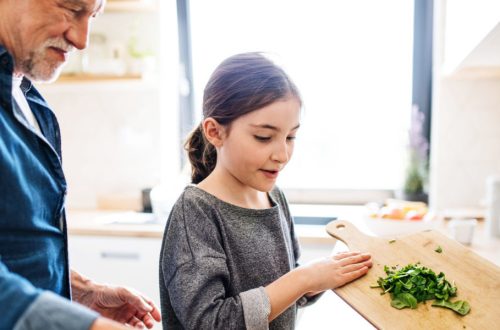
Having all ingredients prepped before turning on the stove makes cooking smoother and more controlled. Chopping vegetables, measuring spices, and setting everything within reach keeps me focused on the process instead of scrambling. This habit alone can make a cook feel more confident and organized.
Once heat is involved, things move quickly. Ingredients can burn or overcook if attention drifts, and stopping to chop or measure breaks concentration. With everything ready, I can respond to the food as it cooks and adjust when needed.
This preparation also makes cooking feel less tiring. Instead of rushing between tasks, I move steadily through each step. The kitchen feels calmer, and the food benefits from that steady pace.
Tasting at Multiple Stages
Tasting food throughout the cooking process is a habit that separates decent cooking from truly good cooking. Waiting until the end to taste leaves no room for correction. By checking flavors early and often, I can adjust seasoning gradually and avoid extremes.
Each stage of cooking reveals something new about the dish. A sauce might taste flat before simmering, or a soup might need more salt once the flavors meld. Tasting helps me understand how ingredients change with heat and time.
This habit also trains the palate. Over time, I have become better at predicting what a dish needs before it reaches the plate. That confidence makes cooking feel intuitive rather than mechanical.
Using Salt With Intention
Salt is one of the most misunderstood ingredients in cooking, yet it has an enormous impact. Using it thoughtfully instead of randomly has improved my food more than almost anything else. I add small amounts at different stages instead of dumping it all in at once.
Seasoning as I go allows flavors to develop evenly. Vegetables taste more like themselves, meats feel fuller in flavor, and sauces become balanced rather than sharp. This approach avoids the risk of over-salting while still delivering depth.
Paying attention to salt also made me more aware of other seasonings. Once salt is right, herbs and spices shine instead of competing. This habit brings clarity and structure to the overall flavor of a dish.
Paying Attention to Heat Levels
Heat control is a quiet skill that dramatically affects results. I learned that high heat is not always better and that patience often leads to better texture and flavor. Adjusting the flame or temperature as needed keeps food from burning or cooking unevenly.
Different ingredients respond differently to heat. Delicate items need gentle treatment, while others benefit from a strong sear. Being aware of how the pan sounds and smells helps me know when to lower or raise the heat.
This habit also reduces stress. Instead of reacting to problems, I anticipate them by managing heat carefully. Cooking becomes more predictable and far less frustrating.
Cleaning as Cooking Happens
A tidy workspace makes a noticeable difference in how enjoyable cooking feels. Cleaning small messes as they happen prevents clutter from building up and keeps the kitchen manageable. This habit keeps my attention on the food instead of the mess.
Washing tools while something simmers or wiping counters during downtime creates a rhythm. By the time the meal is done, cleanup feels lighter and less overwhelming. This makes cooking more appealing even on busy days.
A clean workspace also improves focus. With fewer distractions, it is easier to notice changes in the food and respond quickly. That awareness often leads to better results.
Respecting Ingredient Quality
Using the best ingredients available within my budget has changed how my food tastes. Fresh vegetables, good oils, and properly stored spices bring natural flavor without extra effort. This habit does not require luxury items, just thoughtful selection.
When ingredients are fresh, less manipulation is needed. Simple preparations shine, and flavors feel cleaner and more vibrant. This allows the cooking process to stay straightforward and honest.
Paying attention to ingredient quality also encourages creativity. Seasonal produce and local options inspire new ideas and variations. Cooking becomes more connected to what is available rather than rigid plans.
Letting Food Rest When Needed
Patience after cooking can be just as important as patience during cooking. Allowing meats to rest, baked goods to cool slightly, or sauces to settle improves texture and flavor. Skipping this step often leads to disappointing results.
Resting allows juices to redistribute and flavors to stabilize. Cutting into food too soon can undo careful work in seconds. Waiting a few minutes preserves moisture and structure.
This habit teaches restraint. Giving food time shows respect for the process and leads to a more satisfying final dish. The difference is noticeable, even in simple meals.
Using the Right Tool for the Task
Choosing the appropriate tool makes cooking easier and more efficient. A sharp knife, a heavy pan, or a sturdy spoon can change how a dish comes together. Struggling with the wrong tool often leads to frustration and mistakes.
Good tools do not have to be expensive, but they should be reliable. A sharp knife improves safety and precision, while a well-heated pan ensures even cooking. These details support consistency.
Over time, I learned which tools I reach for most and invested in those. That familiarity speeds up prep and builds confidence. Cooking feels smoother when tools work with you instead of against you.
Trusting Simple Techniques
Simple techniques often deliver the best results. Roasting, sautéing, and simmering are powerful methods that highlight natural flavors. Relying on them builds a strong foundation that applies across many cuisines.
Complexity is tempting, but it can distract from fundamentals. Mastering basic techniques creates flexibility and confidence. Once those are solid, experimentation feels safer and more enjoyable.
Trusting simplicity also reduces pressure. Meals do not need to be elaborate to be satisfying. This habit keeps cooking grounded and sustainable.
Keeping Notes on What Works
Remembering what worked and what did not helps cooking improve steadily. Mental notes are useful, but writing things down makes the lessons clearer. I often jot down small adjustments or timing changes for future reference.
These notes become a personal guide. Recipes evolve based on experience rather than strict instructions. Over time, cooking feels more personal and reliable.
This habit also builds confidence. Knowing I can recreate a successful dish without guesswork makes cooking more enjoyable. Progress becomes visible and motivating.
Staying Present While Cooking
Being mentally present during cooking improves results more than multitasking. Paying attention to smells, sounds, and textures keeps me connected to the food. Distractions often lead to missed cues and rushed decisions.
Presence allows quick adjustments. A pan that is too hot or a sauce that needs stirring becomes obvious when attention is focused. This awareness prevents small issues from becoming big problems.
Cooking becomes almost meditative with this habit. The process feels rewarding, not just the outcome. That mindset encourages consistency and care.
Accepting Mistakes as Feedback
Mistakes are part of cooking, and accepting them calmly leads to growth. Instead of getting frustrated, I treat errors as information. Each mistake teaches something useful for next time.
This attitude removes fear from cooking. Trying new techniques or ingredients feels less risky when perfection is not the goal. Improvement becomes a natural result of practice.
Over time, mistakes happen less often because the lessons stick. This habit builds resilience and keeps cooking enjoyable rather than intimidating.
Final Thoughts
Better cooking does not require dramatic changes or professional training. It grows from simple habits practiced consistently and thoughtfully. By paying attention, preparing well, and respecting the process, anyone can improve their cooking almost immediately.
These habits work together, reinforcing each other in subtle ways. They create a calm, confident approach that makes cooking feel natural and rewarding. With time, they become second nature and quietly raise the quality of every meal.
The beauty of these habits lies in their simplicity. They fit into any kitchen and any schedule. By adopting even a few of them, cooking becomes more enjoyable, more reliable, and far more satisfying.