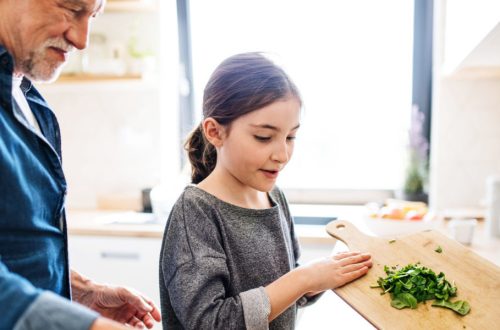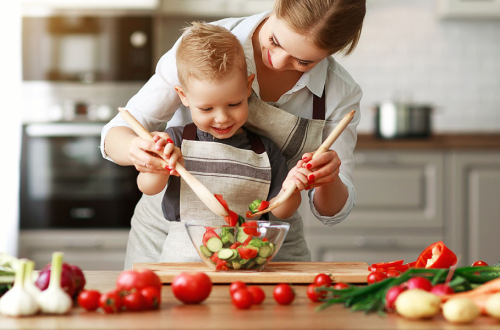
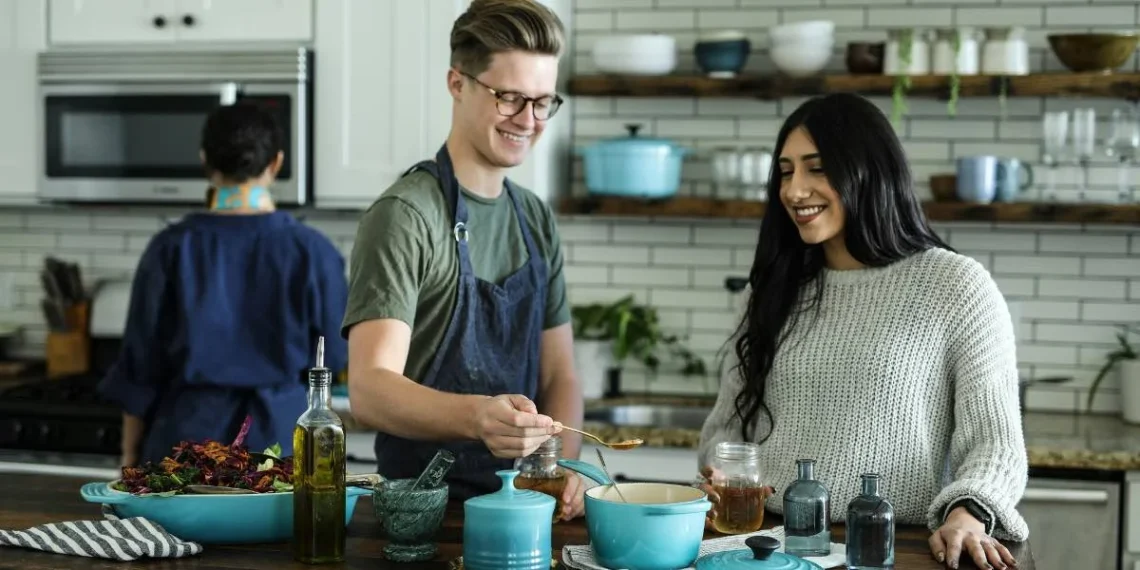
Cooking every day has a way of stripping things down to what actually matters. Standing in the kitchen with ingredients waiting to be handled, I’ve learned that confidence doesn’t come from fancy tools or rare techniques. It grows from mastering a few core skills that quietly support everything else. These skills don’t shout for attention, but they shape how food tastes, how cooking feels, and how relaxed the process becomes over time.
Home cooking often gets framed as a collection of recipes, yet recipes are only as good as the hands following them. A cook who understands the basics can turn a simple list of ingredients into a satisfying meal even when plans change. That kind of flexibility is what separates frustration from enjoyment. Focusing on the right foundations early makes cooking feel less like a performance and more like a conversation between you and the food.
Knife Skills That Build Confidence
Control over a knife changes the entire pace of cooking. Instead of rushing through prep, each cut becomes deliberate and calm. Chopping onions evenly or slicing vegetables to a consistent size affects how they cook, but it also affects how I feel while cooking. The rhythm of steady cuts brings a sense of order to the kitchen.
Good knife skills are not about speed but about accuracy and comfort. A sharp knife held correctly reduces effort and strain, making prep less tiring. Over time, muscle memory develops, and movements become smoother without conscious thought. That ease frees up mental space to think about flavor, timing, and presentation instead of worrying about your fingers.
Heat Control Over Raw Power
Heat is one of the most misunderstood elements in home cooking. Turning the burner higher often feels like progress, yet excessive heat usually creates more problems than solutions. Learning how different heat levels behave allows food to cook evenly and develop better texture. Gentle simmering, steady sautéing, and controlled searing each have their place.
Mastering heat means paying attention rather than forcing results. Oil shimmering instead of smoking, butter foaming instead of burning, and pans heating fully before ingredients go in all signal readiness. These small observations prevent sticking, scorching, and uneven cooking. Over time, heat becomes a partner rather than an enemy, responding predictably to careful adjustments.
Seasoning Beyond Salt
Salt is essential, but seasoning goes far beyond a single mineral. Knowing when and how to season builds layers of flavor instead of a flat taste. Early seasoning draws out moisture and enhances natural flavors, while finishing touches sharpen the final impression. Timing matters just as much as quantity.
Other seasonings deserve equal respect. Acidity from lemon or vinegar balances richness, while sweetness can soften harsh edges. Herbs and spices add depth when used thoughtfully rather than dumped in at the end. Developing an instinct for balance transforms ordinary ingredients into meals that feel complete and intentional.
Tasting as a Habit
Tasting while cooking is one of the simplest habits with the greatest impact. Each spoonful offers feedback about seasoning, texture, and direction. Adjustments made early prevent disappointment at the table. This ongoing conversation with the food keeps the cook engaged and present.
Regular tasting also trains the palate. Over time, subtle differences become easier to detect, and preferences become clearer. This awareness builds confidence, making it easier to trust instincts rather than cling rigidly to instructions. Cooking becomes more intuitive when tasting guides decisions.
Timing and Organization in the Kitchen
A well-organized kitchen moves smoothly from start to finish. Preparing ingredients before turning on the heat reduces stress and prevents mistakes. This approach creates a clear mental map of the process, allowing focus to stay on cooking rather than scrambling for missing items. Calm preparation leads to calm execution.
Timing matters just as much as organization. Knowing which components take longer helps coordinate the entire meal. Vegetables can rest while proteins cook, sauces can reduce while sides finish. This awareness prevents rushed last-minute fixes and keeps dishes hot and fresh when served.
The Role of Texture in Great Food
Texture plays a quiet but powerful role in satisfaction. Crisp edges, tender centers, and creamy sauces create contrast that keeps each bite interesting. Paying attention to texture elevates even simple dishes. Overcooked food often disappoints not because of flavor but because of mouthfeel.
Cooking methods influence texture more than most ingredients. Roasting dries surfaces for crispness, braising breaks down fibers for tenderness, and resting meat redistributes juices. Understanding these effects allows intentional choices rather than guesswork. Texture becomes another tool for shaping the eating experience.
Patience as a Cooking Skill
Patience shows up in unexpected places in the kitchen. Allowing dough to rest, onions to caramelize, or meat to sear without disturbance takes restraint. These moments test the urge to interfere. Waiting often rewards the cook with deeper flavor and better results.
Rushing rarely saves time in the long run. Burnt pans, uneven cooking, and rushed prep lead to corrections that slow everything down. Embracing patience creates a smoother workflow and a more enjoyable atmosphere. Cooking becomes less about control and more about cooperation with the process.
The Psychology of Flavor: Why Some Meals Feel More Satisfying
Flavor is not just about taste buds; it involves memory, expectation, and emotion. Familiar aromas can trigger comfort, while contrasting flavors create excitement. Paying attention to these reactions helps explain why certain meals linger in memory. Satisfaction often comes from balance rather than intensity.
Context matters as much as ingredients. A simple meal eaten with care feels different from an elaborate dish rushed to the table. The act of cooking attentively transfers into the eating experience. Recognizing this connection deepens appreciation for thoughtful preparation.
Learning to Fix Mistakes Gracefully
Mistakes happen in every kitchen, regardless of experience. Sauces split, vegetables overcook, and seasoning goes off balance. Knowing how to recover keeps small issues from becoming disasters. A splash of liquid, a pinch of acid, or a brief rest can often restore harmony.
This skill builds resilience. Instead of panicking, the cook responds calmly and creatively. Each recovery reinforces knowledge and confidence. Over time, mistakes become lessons rather than setbacks, strengthening overall competence.
Equipment Familiarity Over Gadget Collecting
Owning fewer tools but knowing them well proves more valuable than a drawer full of gadgets. Familiarity with pans, knives, and ovens allows precise control. Each piece of equipment behaves predictably when understood. This consistency reduces surprises and improves results.
Maintenance matters as much as ownership. Clean pans heat evenly, sharp knives cut cleanly, and calibrated ovens cook accurately. Taking care of tools extends their usefulness and reliability. The kitchen becomes a trusted workspace rather than a cluttered experiment zone.
Reading Food Instead of the Clock
Timers are helpful, but food often tells its own story. Visual cues, aromas, and sounds signal doneness more accurately than numbers. Learning to read these signs develops intuition. This skill adapts easily to different equipment and conditions.
Observing changes builds awareness. Meat firms as it cooks, sauces thicken as moisture evaporates, and baked goods brown as sugars caramelize. Responding to these cues prevents overcooking and undercooking. Cooking becomes responsive instead of rigid.
Building Meals From Simple Foundations
Great meals often start with humble building blocks. Stocks, sauces, and basic preparations support countless variations. Mastering these foundations opens creative possibilities. A well-made base enhances everything built upon it.
Repetition strengthens these skills. Making the same sauce multiple times reveals subtle improvements and preferences. Each iteration deepens familiarity. Confidence grows through consistency rather than constant novelty.
Respecting Ingredients
Ingredients carry their own qualities and limits. Fresh produce, quality proteins, and good fats respond best to gentle handling. Overworking or masking them diminishes their character. Letting ingredients shine often requires restraint rather than embellishment.
Seasonality plays a role as well. Ingredients at their peak need less intervention. Paying attention to sourcing and freshness simplifies cooking decisions. Respect fosters appreciation and better results on the plate.
Consistency Over Perfection
Consistency builds trust in the kitchen. Producing reliable results matters more than chasing occasional brilliance. Each successful meal reinforces habits that work. This steady progress feels rewarding and sustainable.
Perfectionism can stifle enjoyment. Allowing room for variation keeps cooking flexible and fun. Improvement comes from repetition and reflection rather than pressure. Consistency supports growth without anxiety.
Final Thoughts
Mastering home cooking starts with fundamentals that quietly shape every meal. Knife skills, heat control, seasoning, and patience create a solid foundation that supports creativity and confidence. These elements work together, turning cooking into a calm, engaging practice rather than a stressful task.
Focusing on these essentials transforms the kitchen into a place of learning and satisfaction. Each meal becomes an opportunity to refine skills and deepen understanding. Over time, cooking shifts from following instructions to expressing care and attention through food.