Cooking becomes frustrating long before a pan hits the stove. Most of the struggle starts quietly, hidden behind cabinet doors, buried in drawers, or stacked awkwardly on shelves. I have noticed that many cooking problems blamed on lack of skill or time are actually caused by poor storage decisions. When storage works against the way food is prepared, even simple meals feel exhausting.
A kitchen should support movement, focus, and rhythm. Storage mistakes interrupt that rhythm by adding extra steps, unnecessary searching, and constant resetting of space. Over time, those small interruptions drain energy and enthusiasm. Fixing storage issues does not require a bigger kitchen or expensive upgrades, but it does demand honesty about habits and friction points.
Storing Tools Far From Where They Are Used
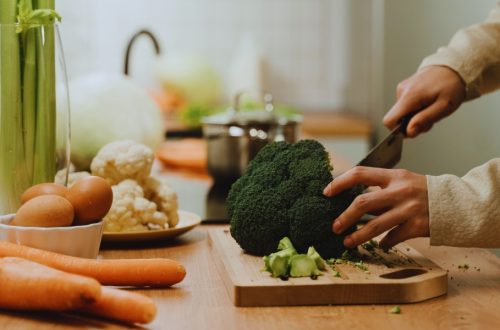
One of the most common storage mistakes is separating tools from their natural work zones. Knives stored far from the prep area, utensils placed across the room from the stove, and mixing tools hidden in deep cabinets all slow down cooking. Each extra step adds friction that breaks concentration and flow.
I have found that cooking feels smoother when tools live near the actions they support. Reaching across the kitchen for a spatula while something cooks increases stress and invites mistakes. Storage should reduce movement, not increase it.
Ignoring this principle leads to clutter migrating onto counters out of convenience. Tools end up left out simply because returning them feels like too much effort. That clutter then creates new problems, making surfaces harder to use.
Overstacking Items in Cabinets
Deep stacks inside cabinets create invisible obstacles. When pots, pans, or bowls are piled without separation, access becomes noisy, awkward, and inefficient. Each time an item is needed, several others must be moved first, turning a simple task into a small ordeal.
Overstacking also causes people to avoid certain tools altogether. Items at the bottom of a pile tend to stay there, unused and forgotten. This leads to duplicate purchases and wasted space.
I have learned that fewer, well-spaced items outperform crowded cabinets every time. Storage works best when everything can be accessed without lifting or shifting multiple objects.
Treating Drawers as Dumping Grounds
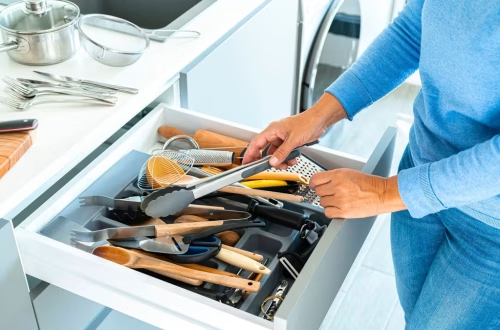
Drawers often become storage shortcuts rather than intentional systems. Without dividers or purpose, they turn into chaotic mixes of tools, gadgets, and accessories. Searching through a cluttered drawer interrupts cooking momentum and creates unnecessary frustration.
A drawer that lacks structure invites disorder. Tools slide, tangle, and overlap, making it harder to find what is needed quickly. Over time, this chaos discourages cleanup and reinforces bad habits.
When drawers are organized by task instead of randomness, cooking becomes more fluid. Structure removes hesitation and allows hands to work on autopilot.
Storing Ingredients Without Visibility
Ingredients hidden behind other ingredients might as well not exist. Opaque containers, deep shelves, and crowded pantries make it easy to forget what is already available. This leads to mid-recipe surprises, unnecessary substitutions, or abandoned dishes.
Poor visibility also encourages overbuying. Without a clear view of staples, it becomes tempting to purchase duplicates just in case. Storage that hides food creates waste as well as frustration.
I prefer systems that show contents at a glance. Visibility reduces decision fatigue and keeps cooking grounded in what is actually available.
Mixing Unrelated Items Together
Combining unrelated items in the same space creates mental clutter. Baking tools mixed with cooking utensils, spices stored alongside snacks, and cleaning supplies sharing cabinets with cookware all disrupt workflow. Each search becomes longer and more mentally taxing.
This type of storage forces constant context switching. While cooking, the brain expects to find related items together. When that expectation is broken, frustration follows.
Grouping items by function supports faster decisions and smoother movement. Storage should mirror the way tasks unfold, not fight against them.
Ignoring Vertical Space
Failing to use vertical space wastes valuable storage potential. Cabinets with unused height, walls left bare, and shelves packed only at the base all contribute to cramped conditions. This forces items into overcrowded zones where access becomes difficult.
Vertical space allows separation without increasing footprint. Shelves, racks, and hanging storage create breathing room for frequently used tools. Without them, counters and cabinets absorb the pressure.
I have noticed that kitchens feel larger when storage rises upward rather than spreading outward. Vertical organization also keeps essential items within reach without cluttering work surfaces.
Allowing Counters to Become Storage Zones
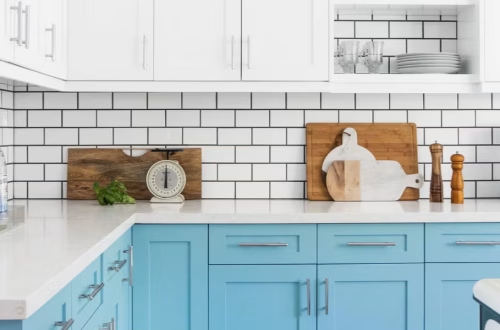
Counters often become default storage for items that lack a proper home. Small appliances, jars, and tools accumulate until prep space disappears. Cooking then becomes an exercise in clearing space before every task.
This pattern adds unnecessary steps and frustration. Instead of cooking, time gets spent rearranging. Over time, this discourages spontaneous meals and encourages takeout.
Counters should support action, not storage. When everything has a designated place elsewhere, counters remain open and ready for work.
Keeping Rarely Used Items in Prime Locations
Prime storage areas should serve daily needs, not occasional ones. When rarely used gadgets occupy easy-to-reach shelves, frequently used tools get pushed into awkward spots. This mismatch slows down every cooking session.
I have found that storage priority matters more than storage quantity. Items used weekly or daily deserve the most accessible locations. Seasonal or specialty tools can live higher, deeper, or farther away.
Ignoring this hierarchy forces constant adjustments during cooking. That friction adds up and drains enjoyment over time.
Using Containers That Do Not Fit the Space
Storage containers that ignore shelf height, depth, or width waste space even when they look organized. Oversized bins leave awkward gaps, while mismatched containers create uneven stacks. This inefficiency reduces usable storage capacity.
Poorly fitting containers also discourage maintenance. When putting items away feels like solving a puzzle, order quickly breaks down. Storage should feel effortless to use consistently.
I have learned to select containers based on space, not aesthetics alone. Fit matters more than uniformity when functionality is the goal.
Storing Lids Without a System
Loose lids are a quiet source of daily frustration. When lids are stacked randomly or buried under cookware, finding the right one interrupts cooking flow. This often leads to noisy searching and unnecessary mess.
Lids without a system tend to migrate into inconvenient places. They slide, tip, and fall, creating irritation disproportionate to their size. Over time, this annoyance affects the overall cooking experience.
A dedicated lid solution restores order quickly. Separation prevents chaos and protects cookware from damage.
Forgetting About Accessibility
Storage that looks neat but ignores accessibility fails in practice. Items placed too high, too deep, or too tightly packed become obstacles rather than supports. Cooking requires quick access, not perfect symmetry.
Accessibility also includes ease of return. If putting something away feels difficult, it will be left out instead. This creates visible clutter and hidden resentment toward the kitchen itself.
I aim for storage that works even when tired or distracted. Accessibility ensures systems hold up under real-life conditions.
Overcomplicating Storage Systems
Complex systems rarely survive daily use. Too many categories, labels, or steps create friction that discourages follow-through. Storage should simplify cooking, not add mental load.
Overcomplication often starts with good intentions. The problem appears when systems require constant attention to maintain. Once effort outweighs benefit, order collapses.
Simple systems adapt more easily to changing habits. They support consistency without demanding perfection.
Treating Storage as Static
Cooking habits evolve, but storage often stays frozen. This mismatch creates inefficiency as tools and ingredients outgrow their assigned spaces. Without periodic adjustment, storage becomes outdated and frustrating.
Static storage ignores feedback from daily use. When something feels awkward repeatedly, it signals a system that needs revision. Ignoring those signals compounds problems.
I view storage as flexible rather than fixed. Small adjustments over time preserve functionality and prevent major overhauls.
Letting Clutter Accumulate Slowly
Clutter rarely arrives all at once. It builds quietly through small exceptions and postponed decisions. Each item added without a clear home increases friction slightly.
Over time, these small additions overwhelm storage systems. Cooking becomes harder not because of one mistake, but because of many small ones left unaddressed.
Regular resets prevent this accumulation. Addressing clutter early keeps storage working smoothly.
Final Thoughts
Storage mistakes do more than waste space. They interrupt flow, increase stress, and make cooking feel harder than it needs to be. Many common frustrations in the kitchen trace back to decisions hidden behind doors and drawers.
I have learned that storage should serve action, not appearance. When tools, ingredients, and cookware align with real habits, cooking becomes calmer and more enjoyable. Fixing storage mistakes restores rhythm, confidence, and ease to everyday meals.