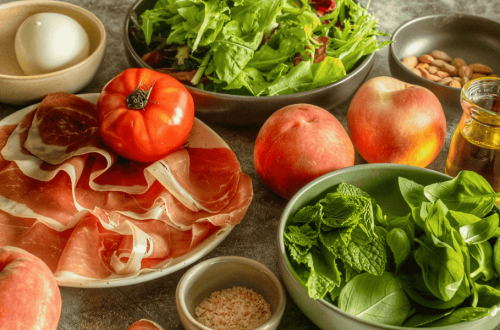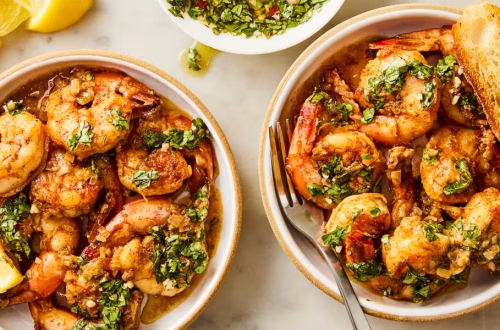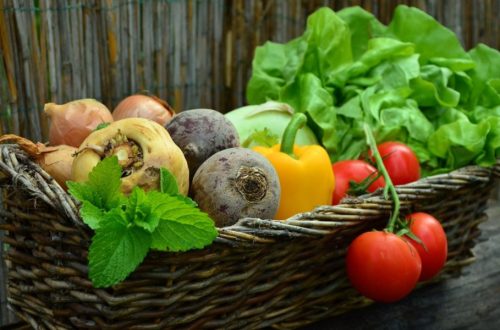
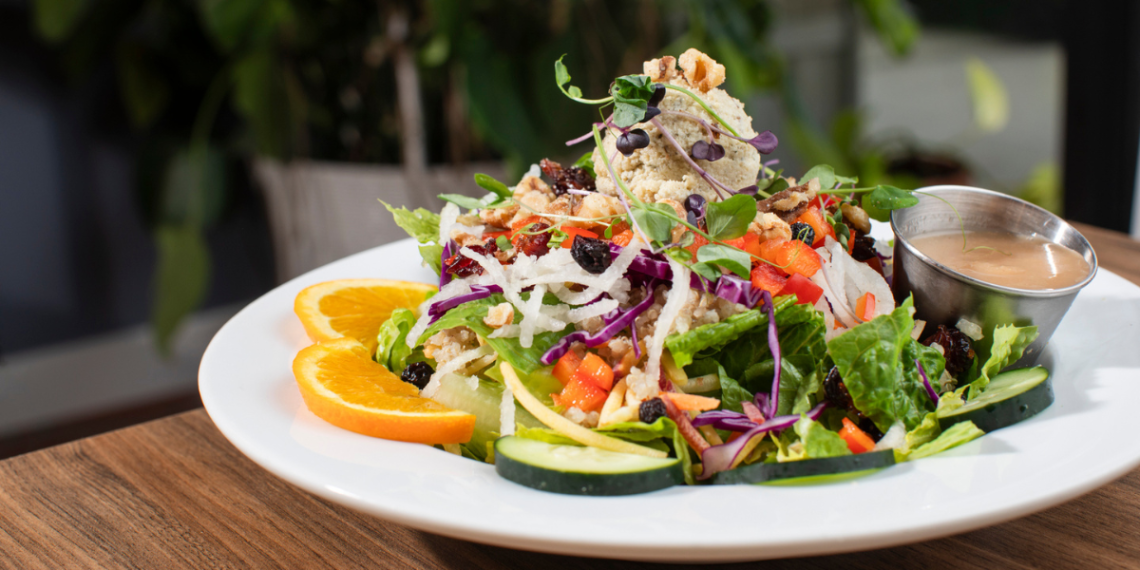
Fresh herbs change the way food behaves on the plate and on the palate. They introduce brightness, aroma, and movement in a way dried herbs rarely can. A simple dish can feel alive the moment fresh leaves are added, as if the flavors suddenly wake up and start talking to each other.
Cooking with fresh herbs has reshaped how I think about flavor building. Instead of leaning heavily on salt or fat to make food satisfying, herbs provide lift and clarity. They add contrast without heaviness and complexity without clutter. That balance is what makes them so powerful in everyday cooking.
This article explores how fresh herbs transform dishes beyond surface-level garnish. Their impact stretches from aroma and texture to psychology and memory. Once their role is understood through experience, it becomes difficult to imagine cooking without them.
Fresh Herbs As A Source Of Immediate Flavor
Fresh herbs deliver flavor instantly. The moment they are cut or torn, aromatic oils release into the air and into the dish. That immediacy cannot be replicated by dried herbs, which need time and moisture to rehydrate.
This instant release matters at the end of cooking. A finished dish often needs a final layer that lifts everything rather than deepens it. Fresh herbs provide that lift, sharpening flavors that already exist rather than masking them.
I rely on this quality when food tastes heavy or flat near the end. A handful of chopped herbs can redirect the entire flavor profile. The dish remains the same at its core, yet feels brighter and more intentional.
Aroma And The First Impression Of Food
Smell shapes how flavor is perceived before food even reaches the mouth. Fresh herbs excel at aroma, delivering volatile compounds that hit the senses immediately. This first impression sets expectations and prepares the palate.
A bowl of soup topped with fresh herbs smells more vibrant than the same soup without them. That aroma signals freshness and balance, even before the first spoonful. The brain responds positively to that signal.
This effect is especially noticeable with simple foods. Eggs, rice, roasted vegetables, and grilled meats all benefit from a fresh herbal finish. The aroma elevates them beyond their basic ingredients.
Fresh Herbs And Texture Contrast
Texture is often overlooked when discussing herbs, yet fresh leaves contribute more than flavor. They add softness, snap, or delicacy depending on the herb. This textural contrast makes each bite more interesting.
Chopped parsley or cilantro adds lightness to dense dishes. Basil leaves bring tenderness that contrasts with crisp or creamy elements. Even finely sliced chives introduce a gentle crunch that wakes up the mouth.
That contrast keeps food from feeling monotonous. Texture works alongside flavor to create satisfaction. Fresh herbs provide both without overwhelming the dish.
Timing And The Power Of Late Addition
Fresh herbs behave best when added at the right moment. Many lose their brightness if cooked too long. Late addition preserves their volatile oils and keeps flavors clean.
Adding herbs at the end allows control. The dish is already balanced, and the herbs act as a final adjustment rather than a structural component. This timing makes them forgiving and versatile.
I often divide herbs into two roles. Some are cooked briefly to integrate flavor, while others are reserved for the finish. That layering creates depth without sacrificing freshness.
Fresh Versus Dried Herbs In Everyday Cooking
Dried herbs have their place, especially in long-cooked dishes. Fresh herbs serve a different purpose. They offer clarity where dried herbs offer depth.
The difference lies in water content and oil structure. Fresh herbs release lighter, greener notes. Dried herbs concentrate earthier flavors that work well over time.
Recognizing this distinction prevents disappointment. Expecting dried herbs to deliver the same brightness as fresh ones leads to dull results. Using each where it shines creates balance.
How Fresh Herbs Shape Flavor Balance
Balance defines good cooking. Fresh herbs contribute bitterness, sweetness, and even subtle heat depending on the variety. These elements counter richness and prevent heaviness.
Fat-heavy dishes benefit most from fresh herbs. Creamy sauces, roasted meats, and fried foods feel lighter when herbs are present. The herbs cut through richness without removing it.
This balancing effect reduces reliance on excessive seasoning. Instead of adding more salt or acid, herbs provide relief naturally. That restraint improves overall harmony.
The Psychology of Flavor: Why Some Meals Feel More Satisfying
Some meals feel complete even when they are simple. Fresh herbs play a psychological role in that satisfaction. They signal freshness, care, and intention to the brain.
Bright green herbs suggest vitality. That visual cue influences perception before tasting even begins. The mind expects balance and clarity, and the palate often follows.
This psychological effect explains why herb-finished dishes feel lighter yet satisfying. The brain registers freshness as completeness. That response deepens enjoyment without requiring complexity.
Fresh Herbs And Visual Appeal
Food is experienced with the eyes before anything else. Fresh herbs add color and movement that static dishes lack. That visual contrast invites curiosity and appetite.
Green herbs against neutral backgrounds create focus. A sprinkle of herbs draws attention to the dish’s surface, guiding the eater toward the first bite. This subtle guidance enhances engagement.
Visual appeal affects perception of flavor. A dish that looks fresh often tastes fresh. Herbs contribute to that expectation naturally.
Regional Cooking And Herb Identity
Many cuisines rely heavily on fresh herbs to define their character. Mediterranean cooking leans on basil, parsley, and oregano. Southeast Asian dishes depend on cilantro, mint, and Thai basil.
These herbs are not optional decorations. They are integral to the identity of the food. Removing them changes the dish fundamentally.
Cooking across cuisines has taught me that respecting herb usage matters as much as respecting spices. Fresh herbs often carry cultural memory and tradition. Treating them thoughtfully honors that context.
Fresh Herbs And Simplicity In Cooking
Simple dishes benefit the most from fresh herbs. When ingredients are few, each one matters more. Herbs provide complexity without clutter.
A bowl of pasta with olive oil and cheese becomes something else entirely with fresh herbs. The same applies to salads, grains, and vegetables. Herbs transform without dominating.
This simplicity builds confidence. Instead of complicated techniques, a handful of herbs becomes the defining element. Cooking feels more intuitive and less forced.
Handling Fresh Herbs With Care
Fresh herbs are delicate. Rough handling bruises leaves and dulls flavor. Gentle cutting or tearing preserves aroma and appearance.
Sharp knives matter. Crushing herbs releases bitterness rather than brightness. Clean cuts maintain structure and fragrance.
Storage also affects performance. Herbs kept fresh maintain their oils longer. Treating them as valuable ingredients rather than afterthoughts preserves their impact.
Layering Herbs For Depth
Using more than one herb adds dimension. Combining herbs with different profiles creates complexity without heaviness. The key lies in balance rather than quantity.
Soft herbs like parsley pair well with assertive ones like rosemary when used thoughtfully. One provides freshness, the other depth. Together they feel complete.
Layering herbs at different stages enhances this effect. Some integrate into the dish, others finish it. This approach mirrors professional kitchens and yields consistent results.
Fresh Herbs And Seasonal Cooking
Herbs connect cooking to seasons. Their availability shifts naturally, guiding menus without effort. Spring brings tender herbs, while heartier ones thrive later in the year.
Seasonal herbs align with seasonal foods. This alignment creates harmony without planning. The food feels appropriate because it is.
Cooking seasonally through herbs builds awareness. It encourages flexibility and responsiveness rather than rigid repetition. That adaptability keeps cooking engaging.
Mistakes That Dull The Impact Of Fresh Herbs
Overcooking remains the most common mistake. Heat destroys delicate compounds quickly. Adding herbs too early robs them of purpose.
Overuse also diminishes effect. Too many herbs create confusion rather than clarity. Restraint allows each herb to speak.
Ignoring balance leads to herbal overload. Herbs should support, not dominate. Tasting and adjusting prevents this misstep.
Building Confidence With Fresh Herbs
Confidence grows through repetition. Using herbs regularly builds familiarity with their behavior. Each dish becomes a small lesson.
Tasting herbs on their own helps. Knowing their raw flavor guides pairing decisions. That knowledge transfers directly into cooking.
Over time, hesitation fades. Herbs stop feeling precious or intimidating. They become trusted tools rather than special occasions.
Fresh Herbs Beyond Garnish
Treating herbs only as garnish limits their potential. They belong inside dishes, not just on top. Integrating them thoughtfully changes results.
Herbs can form sauces, fillings, and bases. Pestos, herb oils, and chopped mixtures anchor dishes rather than decorate them. This approach maximizes their contribution.
Seeing herbs as ingredients rather than accents expands creativity. They become central players instead of finishing touches.
Final Thoughts
Fresh herbs transform dishes through aroma, balance, texture, and psychology. Their impact reaches far beyond appearance. They bring clarity and life to food in a way few ingredients can.
Using them well does not require complexity. It requires attention, timing, and restraint. Those skills develop naturally with practice.
Once fresh herbs become a regular part of cooking, food feels more complete and intentional. The transformation is subtle yet profound, and it reshapes how every dish is experienced.