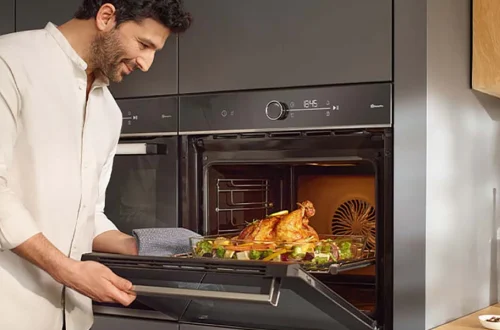

Cooking affects the mind long before food reaches the plate. The act of preparing a meal introduces structure, focus, and purpose into a day that might otherwise feel scattered. Standing in the kitchen, working through a sequence of small actions, creates a sense of direction that is often missing in modern routines. Cooking becomes a quiet way to stabilize thoughts and emotions without requiring grand effort or explanation.
Mental health support does not always come from dramatic changes or complex systems. Often, it grows from simple, repeatable actions that ground attention and restore balance. Cooking fits into that space naturally, offering mental clarity through movement, creativity, and care. Over time, the kitchen becomes a place where the mind can reset and reconnect.
Focus Replaces Mental Noise
Daily life pulls attention in dozens of directions at once. Messages, deadlines, and constant stimulation create mental clutter that is difficult to escape. Cooking narrows that focus into a manageable range of actions that require just enough attention to quiet everything else.
Chopping vegetables, stirring a pot, or timing a dish brings the mind into the present moment. These tasks are concrete and immediate, leaving little room for spiraling thoughts. Attention shifts from abstract worries to physical movements and sensory feedback.
That focus acts as a mental pause. Thoughts slow down because they have something specific to attach to. Cooking becomes a form of active mindfulness that does not require formal practice or special conditions.
Routine Creates Emotional Stability
Mental health thrives on predictability. Cooking introduces routine into the day, offering a reliable anchor regardless of external circumstances. Knowing that meals will be prepared creates a sense of order that supports emotional balance.
Routine reduces decision fatigue. When cooking happens at roughly the same time each day, the mind no longer debates whether it should happen. That removal of friction conserves mental energy for other challenges.
Over time, this consistency builds emotional safety. Cooking becomes a familiar pattern that holds steady even when other aspects of life feel uncertain. That stability supports calmness and resilience.
Small Wins Build Confidence
Cooking offers frequent opportunities for small successes. Completing a meal, even a simple one, provides visible proof of capability. Those small wins accumulate and strengthen self-trust.
Mental health often suffers when progress feels invisible. Cooking counters that by producing tangible results. A finished dish, a clean counter, or a satisfied appetite reinforces a sense of competence.
These moments of achievement matter. They remind the mind that effort leads to outcome. That reminder can carry into other areas of life, reinforcing confidence beyond the kitchen.
Control Reduces Anxiety
Anxiety often thrives on uncertainty. Cooking introduces a controlled environment where inputs and outcomes are mostly predictable. Ingredients, methods, and timing create a clear cause-and-effect relationship.
Knowing what goes into a meal and how it is prepared removes layers of guesswork. That clarity reduces background stress related to food and nourishment. The mind relaxes when fewer unknowns are present.
This sense of control extends beyond cooking itself. Feeling capable in one area increases confidence in handling other uncertainties. Cooking becomes a reminder that not everything is out of reach or unpredictable.
Sensory Engagement Grounds the Mind
Cooking engages multiple senses at once. Smells, textures, sounds, and visual cues pull attention into the body and away from racing thoughts. This sensory immersion has a grounding effect.
The sound of sizzling, the feel of dough, or the aroma of spices creates a direct connection to the present moment. That connection interrupts rumination and worry. The mind responds to what is happening now rather than what might happen later.
Grounding through the senses is especially powerful during periods of stress. Cooking provides this naturally, without the need for intentional techniques. The kitchen becomes a place where the mind reconnects with the body.
Creativity Offers Emotional Release
Cooking allows creativity without pressure. Adjusting flavors, combining ingredients, or improvising with what is available gives the mind freedom to explore. That creative expression supports emotional release.
Unlike many creative outlets, cooking has clear boundaries. Ingredients and methods guide the process, preventing overwhelm. Within those boundaries, experimentation feels safe and manageable.
Creativity in cooking does not demand originality or performance. Personal taste leads the way. That freedom encourages expression without judgment, supporting emotional well-being.
Cooking Encourages Presence
Mental strain often comes from living ahead of the moment. Worry focuses on what has not happened yet, while regret lingers on the past. Cooking pulls attention back into the present through action.
Preparing food requires engagement with timing, texture, and temperature. These elements demand awareness of what is happening right now. The mind follows the hands into the moment.
Presence brings relief. Even short periods of focused attention can ease mental tension. Cooking offers these moments daily, turning routine into relief.
Structure Supports Motivation
Motivation struggles when days feel unstructured. Cooking adds shape to time, creating natural checkpoints throughout the day. Meals divide the day into manageable segments.
This structure supports forward movement. Knowing that cooking will happen provides a reason to transition between activities. The day feels guided rather than aimless.
Motivation grows from momentum. Completing one task often leads to another. Cooking provides that initial push, helping the mind stay engaged and active.
Emotional Expression Through Food
Food carries emotional meaning. Preparing meals allows feelings to be expressed through choices and actions. Comfort foods, simple meals, or nourishing dishes reflect emotional needs.
Cooking becomes a form of self-communication. The type of meal prepared often mirrors mood and energy levels. Recognizing that connection builds emotional awareness.
This expression is gentle and non-verbal. Feelings do not need to be explained or analyzed. Cooking allows them to be acknowledged and addressed through care.
Reduced Reliance on External Stimulation
Mental overload often increases reliance on constant stimulation. Screens, noise, and multitasking become default coping mechanisms. Cooking offers an alternative form of engagement.
Time in the kitchen can exist without background distractions. The process itself provides enough interest to hold attention. This reduces the need for external input.
Reducing stimulation allows the nervous system to settle. Cooking supports this by offering engagement without overload. The mind benefits from this quieter form of focus.
Progress Feels Tangible
Mental health challenges often make progress feel abstract. Cooking counters that by producing visible, physical results. The transformation from raw ingredients to a meal is clear and concrete.
Seeing progress builds hope. It reinforces the idea that effort leads to change. That belief is essential for mental resilience.
Even on difficult days, cooking offers something completed. That completion matters. It provides a sense of movement when everything else feels stuck.
Self-Care Becomes Practical
Self-care is often framed as indulgent or time-consuming. Cooking reframes it as practical and necessary. Preparing food becomes an act of care rooted in daily life.
This practical approach removes guilt. Cooking supports nourishment, energy, and stability. It feels justified rather than optional.
When self-care feels accessible, it happens more often. Cooking integrates care into routine, making mental support sustainable rather than sporadic.
Connection Through Cooking
Cooking can strengthen connection, both with others and with oneself. Preparing meals for others fosters a sense of contribution and belonging. Shared food builds emotional bonds.
Even cooking alone supports internal connection. Time in the kitchen allows reflection without isolation. Thoughts settle into a quieter, more manageable flow.
This sense of connection counters loneliness. Cooking reminds the mind that it is capable of care and participation. That reminder supports emotional health.
Patience Develops Naturally
Cooking teaches patience through process. Waiting for food to cook or flavors to develop encourages tolerance for delayed results. This lesson transfers beyond the kitchen.
Mental health benefits from patience. Anxiety often demands immediate resolution. Cooking models a different pace, where waiting is part of success.
Over time, patience becomes easier. The mind learns that not everything needs to happen instantly. That shift reduces pressure and frustration.
Identity and Purpose Strengthen
Cooking regularly contributes to a sense of identity. Being someone who prepares meals creates continuity and purpose. That identity supports self-esteem.
Purpose does not need to be grand. Daily acts that provide nourishment and care are enough. Cooking affirms usefulness and capability.
This sense of purpose stabilizes mood. It reminds the mind of its role and value. Cooking becomes part of how meaning is experienced daily.
Final Thoughts
The mental health benefits of cooking emerge quietly through consistency, presence, and care. Cooking supports focus, emotional stability, and confidence without demanding perfection or intensity. It offers grounding through routine and relief through creativity.
Over time, the kitchen becomes more than a place to prepare food. It becomes a space where the mind can settle, reset, and reconnect. Through daily cooking, mental well-being is supported in a way that feels natural, practical, and deeply human.