Of all the ingredients that hold a baked good together, eggs are the ones most people take for granted until they run out or someone at the table can’t eat them. Then comes the panic search, the conflicting advice, the flax egg that made the muffins gummy, the applesauce that flattened the cake. The swaps exist. They work. But only when you understand what the egg was actually doing before you replaced it.
That part is where most egg-substitute guides stop short. They hand you a list and call it done. What they skip is the mechanism: the reason a swap that works beautifully in banana bread will turn your snickerdoodles into hockey pucks. Eggs do three different jobs in baking, often at the same time, and the right substitute depends entirely on which job matters most in a given recipe.
What Eggs Actually Do
Source: Pexels
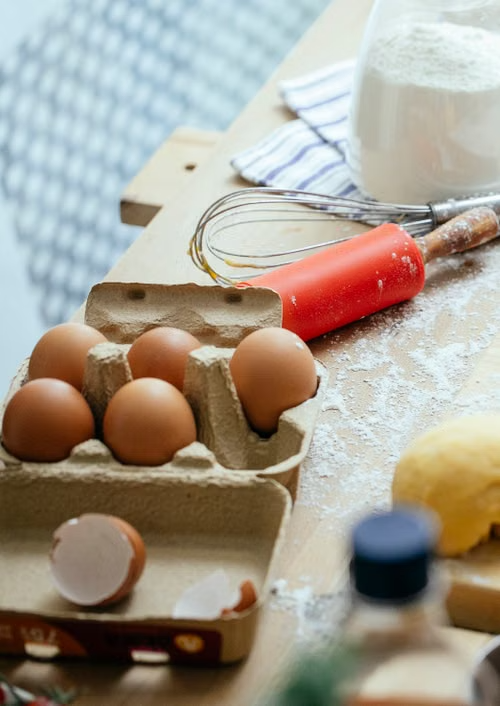
In most baked goods, an egg is doing at least one of three things: binding, leavening, or adding moisture and fat. Sometimes all three at once, which is why a single egg can feel like it’s holding the whole recipe together, because it often is.
Binding is the structural job. The proteins in egg whites coagulate when heated, essentially gluing the crumb together so your cookie holds its shape and your quick bread slices cleanly. Leavening is the lift job. When you beat a whole egg or especially a yolk into a batter, you’re incorporating air; that air expands in the oven and gives cakes their rise. The yolk also contributes fat and emulsification, which is the reason a cake made with whole eggs has a tender, cohesive crumb rather than a greasy or crumbly one.
Once you know which of those three jobs is critical in your recipe, the substitute list becomes much easier to read.
For Binding: Flax, Chia, and Aquafaba
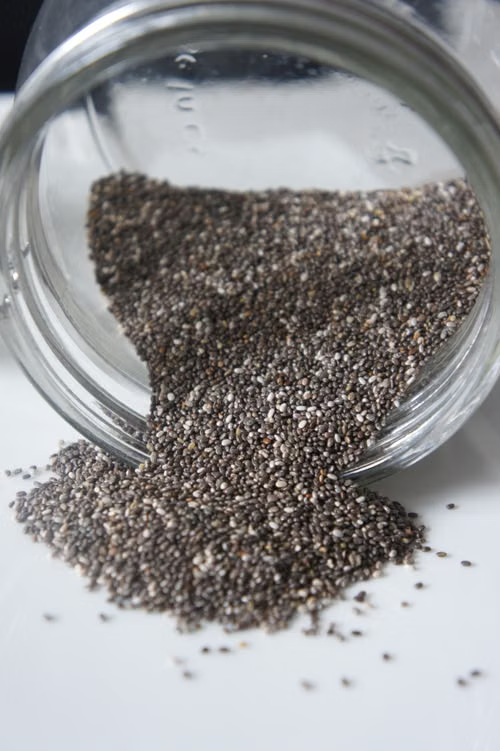
A flax egg, one tablespoon of ground flaxseed mixed with three tablespoons of water and left to rest for five minutes, is the binding workhorse of egg-free baking. The mixture gels into something with a texture close enough to a beaten egg that it holds together cookies, quick breads, pancakes, and muffin batters without changing the flavor much. Chia seeds work the same way at the same ratio. Both add a faint nuttiness, which is a feature in a banana muffin and a neutral non-issue in a spiced loaf.
Aquafaba, the liquid from a can of chickpeas, is a binder with the added ability to foam. Three tablespoons replaces one whole egg; two tablespoons replaces just the white. It’s the reason vegan meringues and macarons are possible at all. The proteins in that liquid behave enough like egg white proteins that they trap air and hold structure when whipped. For recipes where the white is the whole point, a cloud-like chiffon, a pavlova, a soufflé, aquafaba is the only substitute that gets anywhere close.
For Leavening and Moisture: Baking Soda, Vinegar, and Yogurt
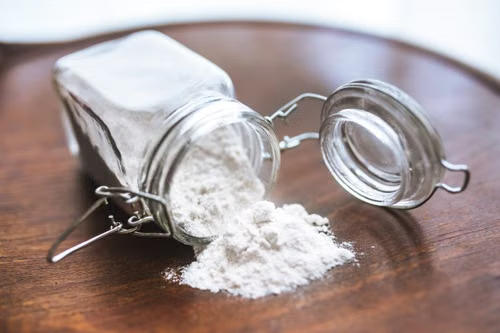
When lift is what you need, reach for chemistry rather than gel. One teaspoon of baking powder and a quarter-teaspoon of baking soda, combined with a tablespoon of water, creates a CO2 reaction that mimics the leavening function of an egg. This works best in cakes and quick breads where you’re after a tender rise and the egg wasn’t contributing much in the way of structure. Add a splash of white vinegar to activate the soda, and the bubbles come fast, bake immediately.
Yogurt and buttermilk bring both moisture and a little acidity, which tightens the crumb and adds a gentle tang. A quarter cup of plain full-fat yogurt replaces one egg in most cake recipes. Sour cream works the same way. They carry enough moisture and fat to replace the yolk’s contribution to tenderness, which is why they’re reliable in dense, moist cakes, a chocolate pound cake, a coffee cake, a carrot cake, where you want rich texture more than dramatic height.
For Fat and Richness: Mashed Banana, Applesauce, and Silken Tofu
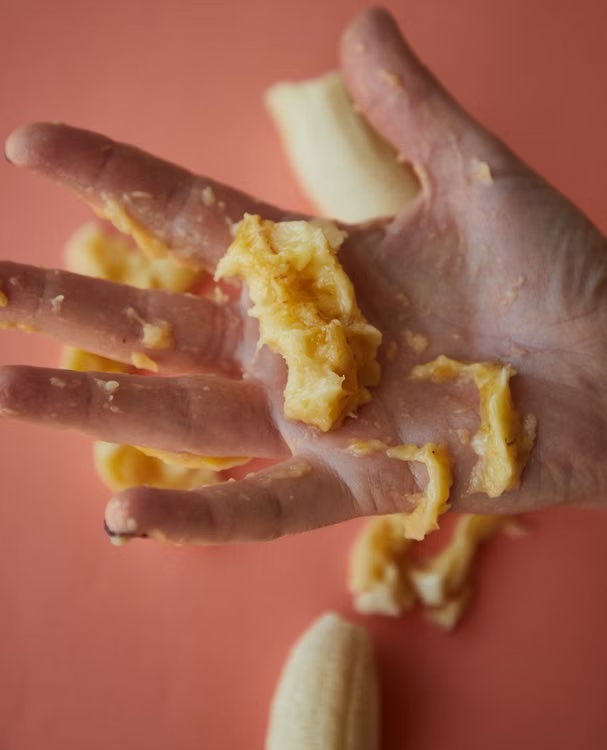
Here’s where flavor enters the equation. A quarter cup of mashed ripe banana or unsweetened applesauce replaces one egg, and both bring natural sweetness and moisture that can work in your favor or quietly change the character of the recipe. Banana reads through in a chocolate muffin. Applesauce nearly disappears in a spiced cake. Use them in recipes that lean naturally sweet and forgiving, quick breads, muffins, dense brownies, and not in delicate recipes where the egg’s neutral fat was doing quiet work.
Silken tofu, blended completely smooth, is the fat-and-richness substitute for savory applications or for baked goods where you want a neutral-flavored result. A quarter cup blended tofu replaces one egg. It’s dense, protein-rich, and nearly flavorless, which makes it useful in cheesecakes, dense chocolate cakes, and anything where texture matters more than lift.
And here is the honest part, because most guides don’t say it plainly: some recipes rely on eggs so structurally that no substitute fully replicates the result. Custards. Soufflés, really. Choux pastry, where the eggs are beaten in hot and the steam they produce is the entire mechanism of puff. Cream puffs without eggs are not cream puffs. Lemon curd without yolks is not lemon curd. In these cases, the goal isn’t to find a swap, it’s to choose a different dessert.
For everything else, the principle holds: match the substitute to the function, not to the recipe name. A chocolate chip cookie and a chocolate cake both call for one egg, but the cookie leans on binding and the cake leans on lift and fat. The same flax egg that works in the cookie might flatten the cake. A quarter cup of yogurt that saves the cake might make the cookie spread into a thin, crispy disc.
Start by asking what the egg is doing. The answer tells you where to look.
Sources
Technique-based overview of egg functions and substitutions, used for mechanism framing
Ratios and application guidance for common baking substitutes
This article was created with AI assistance and reviewed for clarity and accuracy.