
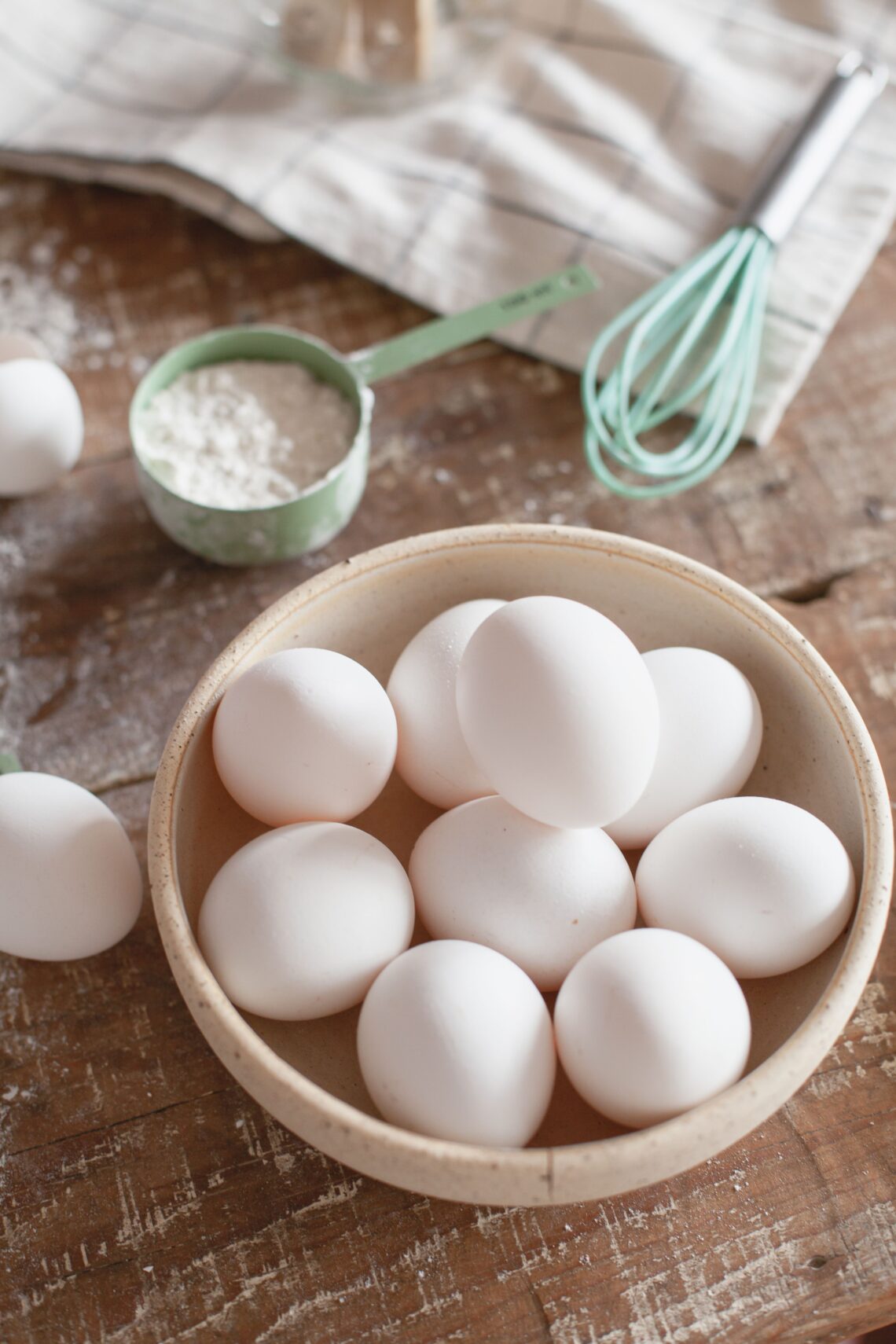
There are exactly two kinds of bakers who run out of eggs. The first kind panics and drives to the store. The second kind opens the pantry, thinks for thirty seconds, and keeps going.
That second kind understands something the first is still learning: eggs do different jobs in different recipes, and once you know which job they were hired for, finding a stand-in gets a lot less complicated.
This is the piece that gets you there.
What Eggs Actually Do in Baking
Source: Pexels
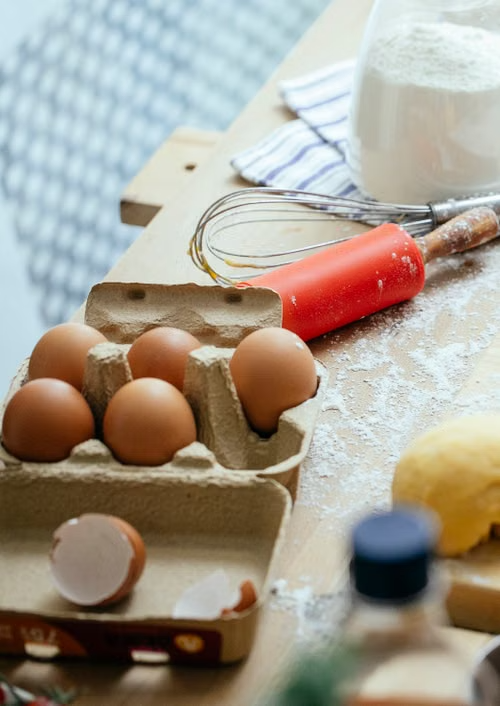
Before any substitute makes sense, it helps to know what you’re replacing. Eggs wear several hats in a baked good. They bind — holding a cookie or meatloaf together so it doesn’t crumble the moment you cut it. They add lift — the proteins in eggs trap air and steam, which helps cakes and muffins rise. They add moisture, richness, and color. And in some recipes, like a lemon curd or a custard, they’re the whole structure.
No single substitute does all of these at once. The good news is that most recipes only lean on eggs for one or two of those functions, which means a well-chosen swap can get you surprisingly close to the original.
Here’s the part most guides skip over: the recipe type matters as much as the substitute you pick. A substitute that saves a banana bread will ruin a chiffon cake. Know your recipe, then choose your swap.
The Substitutes Worth Keeping in Your Pantry
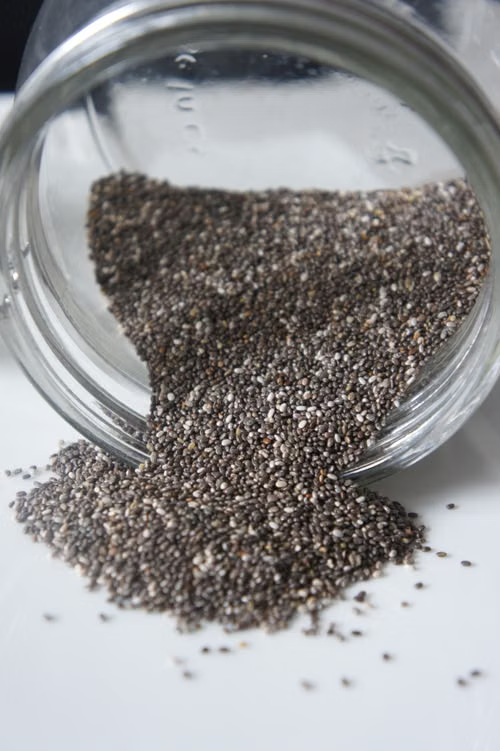
Flax egg. A tablespoon of ground flaxseed mixed with three tablespoons of water, left to sit for five minutes, turns into a thick, slightly sticky gel. It mimics the binding function of an egg well enough that most dense baked goods, brownies, oatmeal cookies, quick breads, won’t reveal the swap. Flax adds a faint nuttiness that disappears in strongly flavored recipes. It does not add lift, so don’t reach for it in anything that needs to rise significantly. Chia egg.Same ratio as flax, one tablespoon of chia seeds to three tablespoons of water, and it works on the same principle. Chia seeds are more neutral in flavor and the texture is a little smoother once blended or ground. Either one is worth keeping. Chia tends to be less noticeable in a pale batter; flax can add gray specks that show in lighter-colored baked goods.
Applesauce.A quarter cup of unsweetened applesauce replaces one egg in most quick breads, muffins, and snack cakes. It adds moisture and binds adequately, but it also adds sweetness and a faint fruit flavor. That works beautifully in a spice cake or apple muffin. It’s less ideal in a savory scone or a buttery shortbread where the flavor would feel out of place.

Mashed banana About a quarter cup of mashed ripe banana replaces one egg, and it does the job well in banana bread (obviously), chocolate cake, and any recipe where banana flavor is welcome or neutral. Like applesauce, it adds moisture and sweetness. Unlike applesauce, the flavor is harder to hide, so use it where it fits.
Yogurt or sour cream. A quarter cup of plain yogurt or sour cream replaces one egg and adds moisture plus a gentle tang. Works especially well in cakes and muffins where you want a tender, slightly dense crumb. The acid also reacts with baking soda, giving you a small amount of additional lift. Full-fat versions work better than low-fat ones, the fat content matters here.
Aquafaba This one still surprises people. Aquafaba is the liquid from a can of chickpeas, and three tablespoons of it replaces one whole egg. It whips into stiff peaks. It makes meringue. It folds into chocolate mousse and keeps its structure. For recipes that need egg whites specifically, macarons, angel food cake, pavlova, aquafaba is the only substitute that comes close to the real thing. Two tablespoons replaces one egg white, if you’re separating.
Silken tofu: Blended until completely smooth, a quarter cup of silken tofu replaces one egg and adds protein, moisture, and density. It’s particularly good in brownies, dense chocolate cakes, and cheesecakes. It has almost no flavor of its own, which makes it more versatile than banana or applesauce. It does not add lift, and it can make a crumb slightly heavier, so adjust expectations accordingly.
Commercial egg replacers Products like Bob’s Red Mill Egg Replacer and JUST Egg (the liquid kind for scrambling) are formulated to mimic whole eggs in baking. Bob’s Red Mill version is a blend of potato starch, tapioca flour, and leavening agents; it works well in cookies, cakes, and muffins and is the most reliable all-purpose option if you’d rather not think through each recipe individually. Follow the package ratio, they’ve done the math.
Matching the Substitute to the Recipe
The single most useful question to ask before choosing a substitute: was this egg mostly a binder, a leavener, or a source of moisture and fat?
For binding, cookies, brownies, dense quick breads, flax egg, chia egg, silken tofu, and commercial replacers all perform well. These recipes don’t need the egg to create lift, so the substitute just needs to hold things together.
For lift, layer cakes, muffins, pancakes, yogurt, sour cream, or a commercial egg replacer with added leavening will serve you better. You can also add an extra quarter teaspoon of baking powder per egg replaced to compensate for the lost leavening function.
For structure that depends on egg proteins, custards, quiches, frittatas, certain soufflés, egg substitutes genuinely struggle. The proteins in eggs are what allow those dishes to set, and plant-based options don’t behave the same way under heat. In those cases, you’re making a different dish, not a direct swap.
For recipes that use a lot of eggs, a chiffon cake calling for six yolks, or a génoise built on whipped whole eggs, substitution gets complicated fast. These are recipes where eggs are not incidental. They are the recipe. If you need to bake egg-free and the recipe is egg-dependent by design, finding a recipe developed specifically without eggs will give you better results than trying to engineer a swap.
One thing that consistently helps regardless of which substitute you choose: don’t overbake. Egg-free baked goods lose moisture faster and can dry out or crumble if they go even two or three minutes past done. Pull them when the edges are set and a toothpick comes out with a few moist crumbs, not when they feel completely firm. They’ll continue setting as they cool.
The pantry standby that surprises most people is the flax egg, a tablespoon of ground flax, three tablespoons of water, five minutes of patience. Reliable, inexpensive, and effective in most everyday recipes. If you’re just starting to experiment with egg substitutes, that’s the place to begin.
Sources
Background overview of binding and leavening functions of eggs in baking
Product-verified ratios and use-case guidance for common substitutes
This article was created with AI assistance and reviewed for clarity and accuracy.