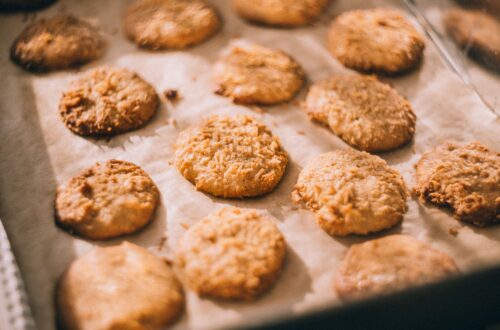
There are exactly two ways to ruin a batch of chocolate chip cookies: rush the butter and skip the chill. Most bakers have done both, usually on the same Tuesday evening, and then blamed the oven.
The oven is rarely the problem. Baking fails almost always trace back to something that happened before the pan went in — the temperature of the butter, the way the flour was measured, whether the baking soda was still alive in the back of the cabinet. These aren’t mysterious forces. They’re chemistry, playing out the same way every single time. Once you understand what’s actually happening inside the bowl and the oven, the fixes write themselves.
Why Butter Temperature Is Not a Suggestion
When a recipe says “room temperature butter,” it means something specific. Butter at around 65°F to 68°F holds tiny air pockets when beaten with sugar a process called creaming. Those pockets expand in the oven’s heat, giving cakes and cookies their lift. Butter that’s too cold won’t incorporate air. Butter that’s too soft, closer to melted, collapses those pockets before they ever get to work.
And here’s where most cookie recipes quietly go wrong: melted or very soft butter causes cookies to spread flat because the fat can’t hold its structure long enough for the proteins and starches to set. The dough just flows outward. If your cookies have been coming out thin and crispy when you wanted thick and chewy, butter temperature is almost always the first thing to check. Pull it from the fridge about 30 minutes before you start, and press it with a finger, it should give easily but hold its shape.
The Flour Measuring Problem Nobody Talks About
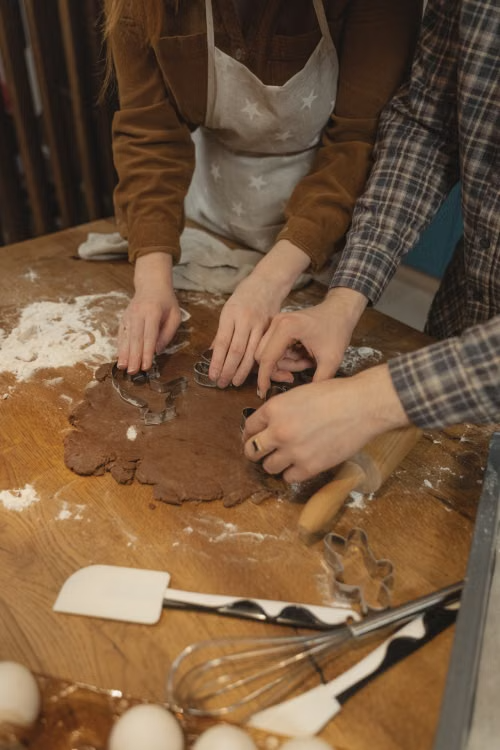
Measuring flour by scooping directly from the bag is one of the most common baking mistakes in the home kitchen, and it’s also one of the hardest to detect because the results look perfectly normal until they don’t. When you scoop, you compact the flour. A compacted cup of all-purpose flour can weigh significantly more than a properly measured one. That extra flour makes cookies stiff and cakey, turns muffins dense, and can keep a cake from rising the way it should.
The fix is simple. Spoon flour into the measuring cup with a separate spoon, then level the top with a straight edge. Better still, use a kitchen scale. Once you bake by weight, you’ll wonder how you ever did it any other way. Recipes developed by professional bakers almost always include gram measurements for this reason, precision matters in a way that it simply doesn’t when you’re making soup.
Leaveners: What They’re Actually Doing
Baking powder and baking soda are not the same thing, and swapping one for the other in equal amounts is a reliable way to produce something that tastes faintly metallic or refuses to rise. Baking soda is pure sodium bicarbonate. It needs an acid in the batter, buttermilk, brown sugar, yogurt, cocoa powder, to activate and produce carbon dioxide bubbles. Baking powder contains its own acid already, which is why it can work in recipes without acidic ingredients.
Most recipes use one or the other based on what else is in the batter. Some use both, usually to balance rise and browning. The ratio matters, too. Too much baking soda and you’ll taste it; too much baking powder and the bubbles form too fast, then collapse before the structure sets.
A quick freshness test before you bake: drop a small spoonful of baking soda into hot water with a splash of vinegar. It should bubble vigorously. For baking powder, drop a spoonful into hot water alone. A slow fizz means it’s on its way out; no reaction means it’s gone. Old leaveners are probably responsible for more sunken cake layers than every other variable combined.
Why Eggs Do More Than You Think
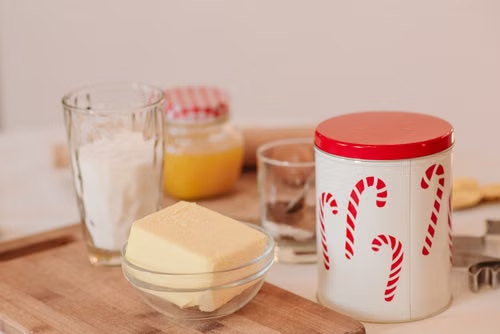
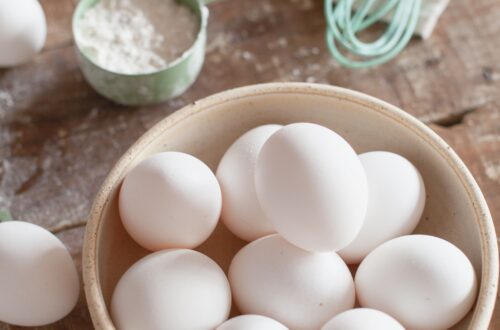
Eggs are doing at least four jobs at once in most baked goods: they bind, they add moisture, they contribute fat from the yolk, and they provide structure as the proteins set in the oven’s heat. The size of the egg matters more than most recipes acknowledge. A large egg typically weighs about 50 grams, and a recipe developed with large eggs can turn out slightly different if you’re using medium or jumbo.
Room temperature eggs, like room temperature butter, matter because cold eggs can seize a batter. Drop a cold egg into creamed butter and sugar and you’ll sometimes see the mixture curdle into small lumps. The emulsion breaks. The result isn’t always catastrophic, many batters recover during mixing, but it’s a variable worth controlling. Set the eggs out when you set out the butter.
Resting cookie dough in the refrigerator is one of those steps that recipes include but rarely explain. Here’s what’s actually happening: as the dough chills, the flour hydrates more fully, the butter firms back up, and certain flavor compounds develop. Chilled dough also spreads more slowly in the oven because the fat takes longer to melt, which gives the structure time to set before the cookie flattens. The result is a thicker, chewier cookie with more complex flavor, because cold fat moves slower than warm fat.
Even 30 minutes in the refrigerator makes a real difference. Overnight is better. Some professional bakeries rest their doughs for 24 to 72 hours, and the depth of flavor that develops in that time is one of the things that makes a bakery cookie taste different from a home one even when the recipe is identical.
Reading Doneness Instead of the Clock
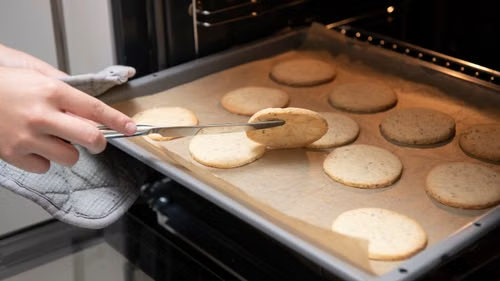
Oven temperatures vary, pans conduct heat differently, and altitude affects how leaveners behave. Baking by the clock alone is a reasonable starting point, but learning to read doneness cues is how you actually bake well.
For cookies: the edges should be set and lightly golden; the center should still look slightly underdone. They’ll firm up on the pan as they cool, a process driven by carryover heat. Pull them too late and they’ll be dry by morning.
For cakes: a toothpick should come out with a few moist crumbs, not wet batter and not bone dry. The edges should pull away slightly from the sides of the pan. The top should spring back when pressed gently in the center.
For quick breads and muffins: the internal temperature reaching around 200°F to 205°F is a more reliable guide than any timer. An instant-read thermometer is the most useful baking tool most home bakers don’t own.
Baking is sometimes called unforgiving, and compared to stovetop cooking it is, you can’t taste as you go, you can’t adjust the seasoning mid-bake. But it isn’t unpredictable. Every flat cookie, every sunken center, every dense muffin has a cause, and that cause is almost always something that happened in the mixing bowl rather than in the oven. Learn what your ingredients are actually doing and the oven stops being a mystery. It becomes the easy part.
Sources
Background on leavening chemistry and the difference between baking powder and baking soda
Technical background on the creaming method and butter temperature in baking
General background on cookie chemistry, spreading, and ingredient ratios
This article was created with AI assistance and reviewed for clarity and accuracy.