The avocado in your hand should give just slightly when you press the thick end. Not mushy. Not firm. That narrow window maybe a day, sometimes less is where great guacamole lives, and missing it by even a few hours changes everything.
Guacamole is one of those recipes that looks easy until you taste a bad version and realize how much can quietly go wrong. Too much lime and it tastes like a margarita mix. Too little salt and the avocado just sits there, flat and green. Skip the resting time, and you’ve got a bowl of mashed avocado that lacks any depth. But make it right, with good fruit, the right ratio, and a few minutes of patience, and it’s one of the best things you can put on a table.
This is the version worth making on a weeknight. It takes about fifteen minutes, uses ingredients you likely already have, and it’s genuinely better than most restaurant guacamole. Here’s why that’s true, and how to get there.
Start With Avocados That Are Actually Ready
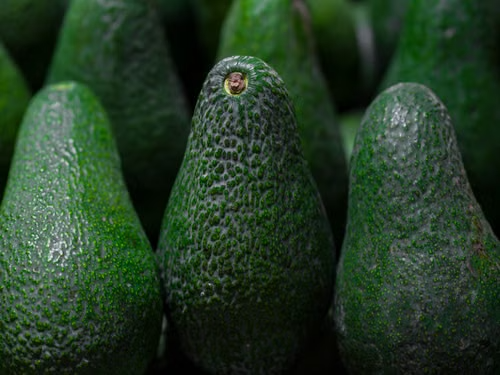
The single biggest mistake people make with guacamole is using underripe avocados because the ripe ones were sold out. An unripe avocado has a grassy, slightly bitter flavor and a fibrous texture that no amount of lime or salt can fix. A ripe one is buttery, faintly nutty, and almost sweet, and that flavor is the whole point.
To check ripeness: look for Hass avocados (the dark, pebbly-skinned variety) that have turned nearly black. Press gently near the stem end. It should yield to light pressure without feeling squishy or hollow. If the small stem nub pops off easily and the flesh underneath is green, the avocado is ready. Brown underneath that nub means it’s gone too far.
If all you can find are firm avocados, leave them on the counter, not in the refrigerator, for one to two days. Putting a firm avocado in the fridge halts the ripening process,s and you’ll wait forever.
The Ratio That Gets It Right
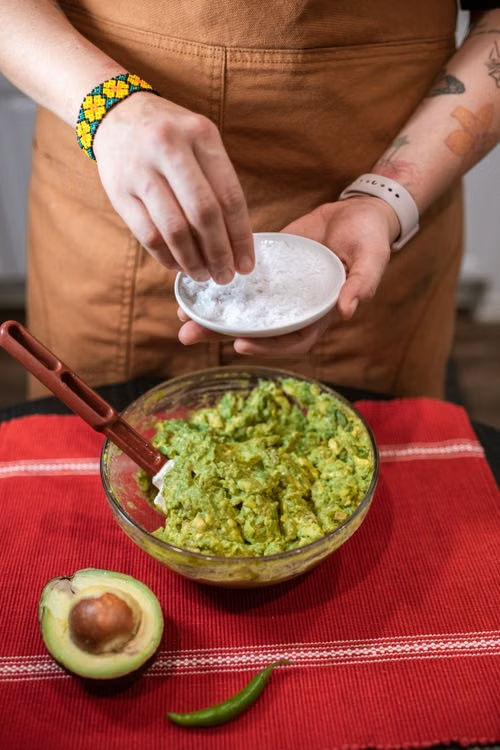
For two people, or as a generous side for four, start with three ripe Hass avocados, and everything else is proportional from there.
One small white onion, finely diced. Two tablespoons is usually right, enough to give the guacamole some bite without turning it sharp. White onion is traditional here; yellow onion is milder and works, but red onion tends to overpower the avocado. Rinse the diced onion briefly under cold water and pat it dry. This is the step most recipes omit, and it matters: raw onion has volatile sulfur compounds that mellow significantly after a quick rinse, leaving the onion flavor clean rather than aggressive.
One jalapeño, seeded and minced fine. Keep the seeds if you like heat; remove them for something more approachable. Two cloves of garlic, either pressed through a microplane or minced to a paste with a pinch of salt. The paste method is worth the extra minute because it distributes more evenly and avoids the occasional raw garlic chunk that can dominate a bite.
One small handful of fresh cilantro, leaves and tender stems, roughly chopped. The juice of one lime, maybe two if they’re small or dry. And salt, more than you think.
The Technique That Actually Separates Good From Great
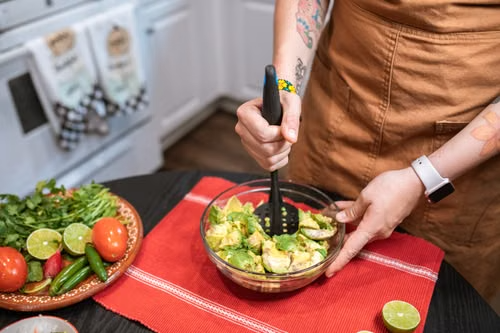
Here’s where most home recipes quietly fail. They call for mashing everything together at once, which gives you a uniform paste rather than the textured, layered guacamole you get at a good Mexican restaurant.
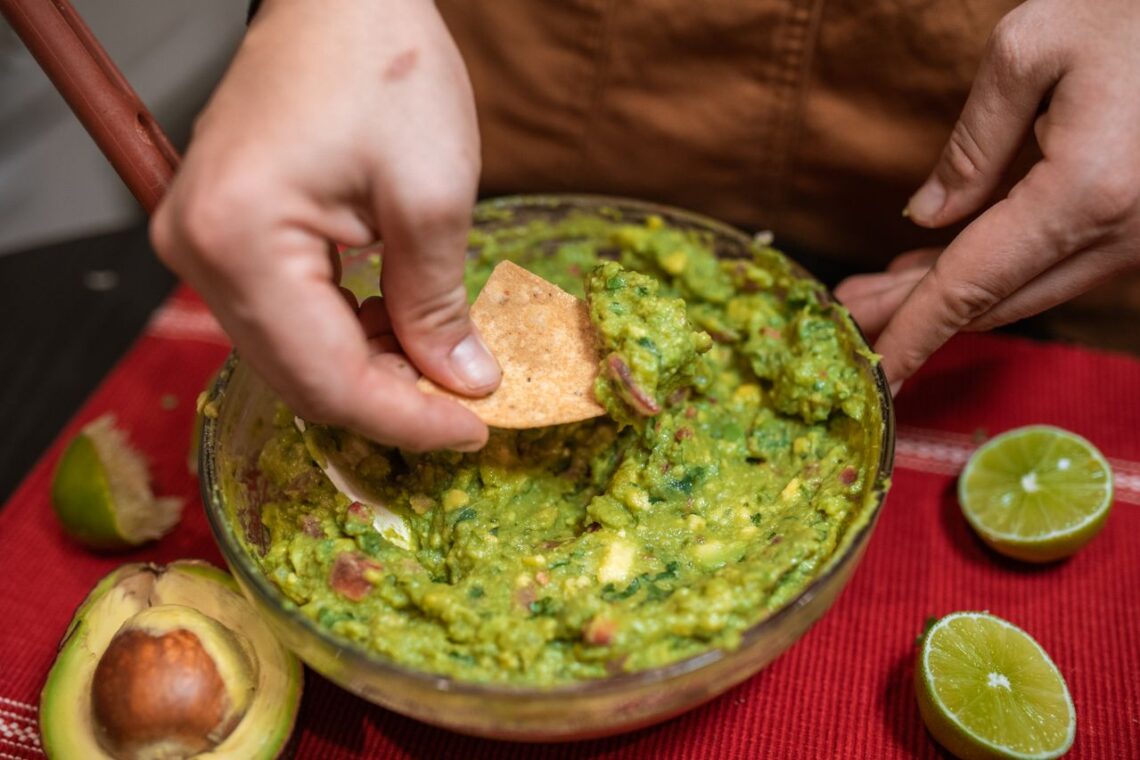
The better method is to work in two steps. First, mash the avocado alone, either with a fork for chunky texture or a potato masher for something smoother. Get it to roughly the consistency you want in the finished bowl before you add anything else. Then fold in the aromatics gently, using a spoon or spatula rather than continued mashing. This keeps the onion and jalapeño in distinct pieces rather than disappearing into the avocado.
Add the lime juice next, not before. Lime added too early can actually tighten the avocado’s texture slightly and muddy the color. Squeeze it over after the aromatics are folded in, then taste. Salt goes in last, in small additions, a quarter teaspoon at a time, until the flavors sharpen and come forward. You’ll know it’s right when the avocado flavor is the loudest thing in the bowl, with lime and salt as support.
And here’s the part most people skip: let it sit for five minutes before serving. Just five. The salt draws a small amount of moisture from the onion and jalapeño, the lime integrates, and the whole bowl becomes something more cohesive than the sum of its parts. A piece of plastic wrap pressed directly onto the surface, no air gap, keeps it bright green during that rest.
The Browning Problem, Solved
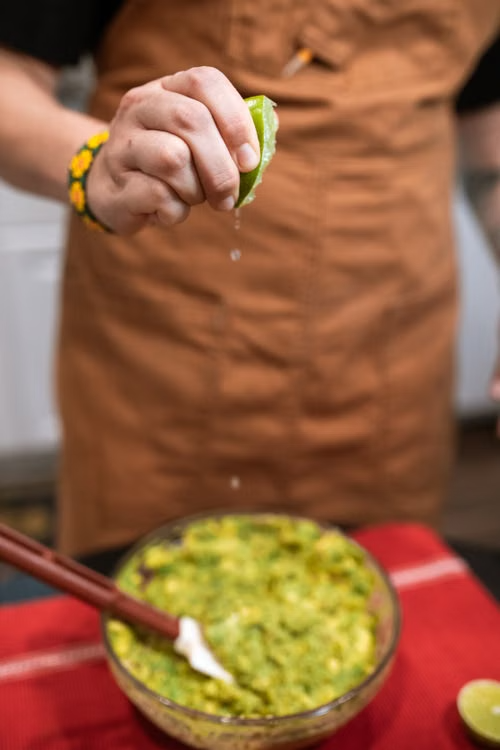
Guacamole browns because of a reaction between the cut avocado’s enzymes and oxygen. The lime juice slows this process, but it doesn’t stop it entirely. The most effective method for keeping guacamole green if you’re making it ahead: press the plastic wrap flush against the surface of the guacamole, eliminating air contact entirely. Some people add the avocado pit to the bowl, which works only for the area immediately around the pit. The plastic wrap method is more reliable.
If you’re making it more than an hour ahead, add an extra squeeze of lime and taste again for salt before serving. The lime flavor can fade slightly as it sits, and the salt needs a refresh.
What Belongs In It and What Doesn’t
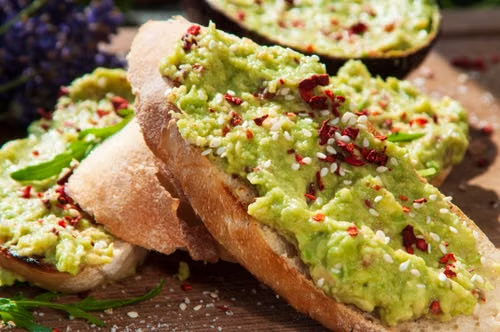
The version above is the core. From there, a few additions work well: a small pinch of cumin adds a faint earthiness that reads as depth rather than a distinct flavor. Diced tomato, seeded and drained, about one Roma, adds freshness and a little color. Some cooks add a small amount of finely diced serrano in addition to the jalapeño for a more complex heat.
What doesn’t belong: sour cream, cream cheese, or mayonnaise. These are often added to stretch the batch or make it creamier, but they dull the avocado flavor and change the texture in a way that reads as “dip” rather than guacamole. Garlic powder instead of fresh garlic is another common shortcut that shows in the finished product; the powder has a flatter, slightly stale flavor compared to fresh. And bottled lime juice, which is noticeably more acidic and less aromatic than fresh, will take a bowl of good guacamole in the wrong direction.
Sources
Background on traditional preparation, regional variations, and ingredient history
Ripening biology, enzyme browning (enzymatic browning/polyphenol oxidase), and Hass variety characteristics
This article was created with AI assistance and reviewed for clarity and accuracy.