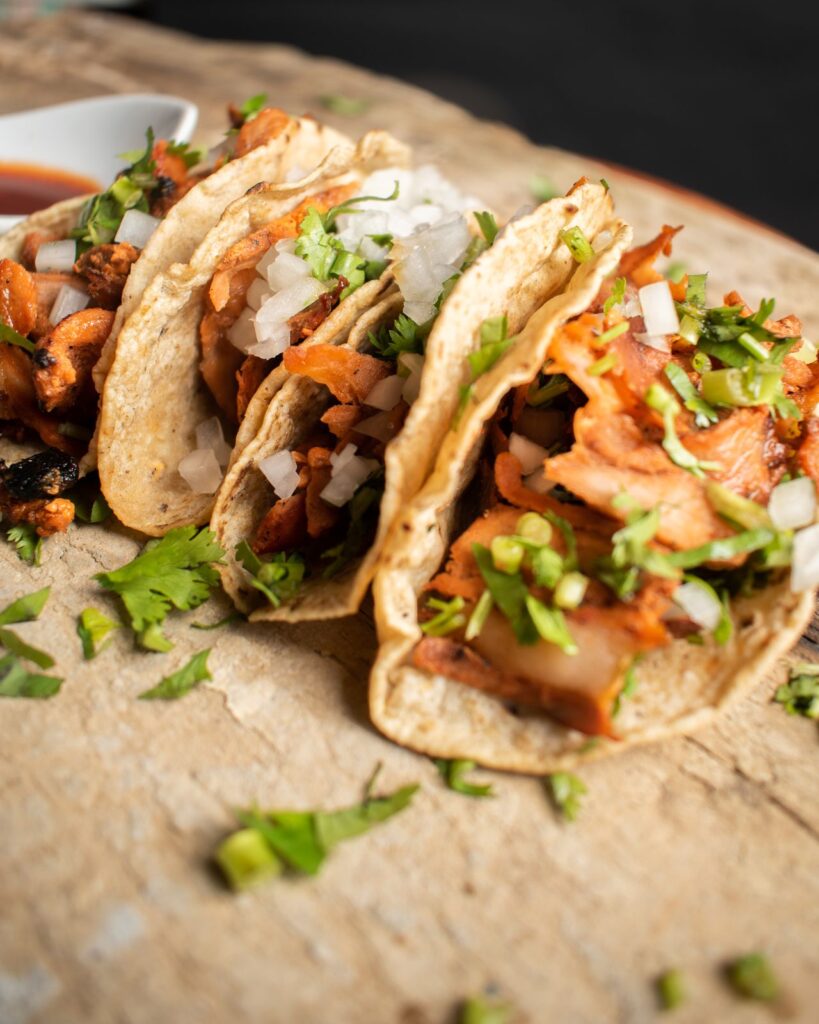
source: Pexel
The tortilla aisle has quietly become one of the most crowded stretches of the grocery store. Twenty years ago, two or three brands sat on a shelf between the bread and the salsa. Now there are corn tortillas and flour tortillas and ones made with cassava flour and almond flour and things that technically pass as tortillas but taste like a yoga mat someone left in the car.
So let’s sort it out.
The best store-bought tortillas come down to a handful of real differences: how they were made, what fat was used, whether they were pressed or rolled, and whether they’ve been sitting on a shelf for four days or four weeks. These aren’t small things. They’re the whole thing.
What Actually Makes a Good Tortilla
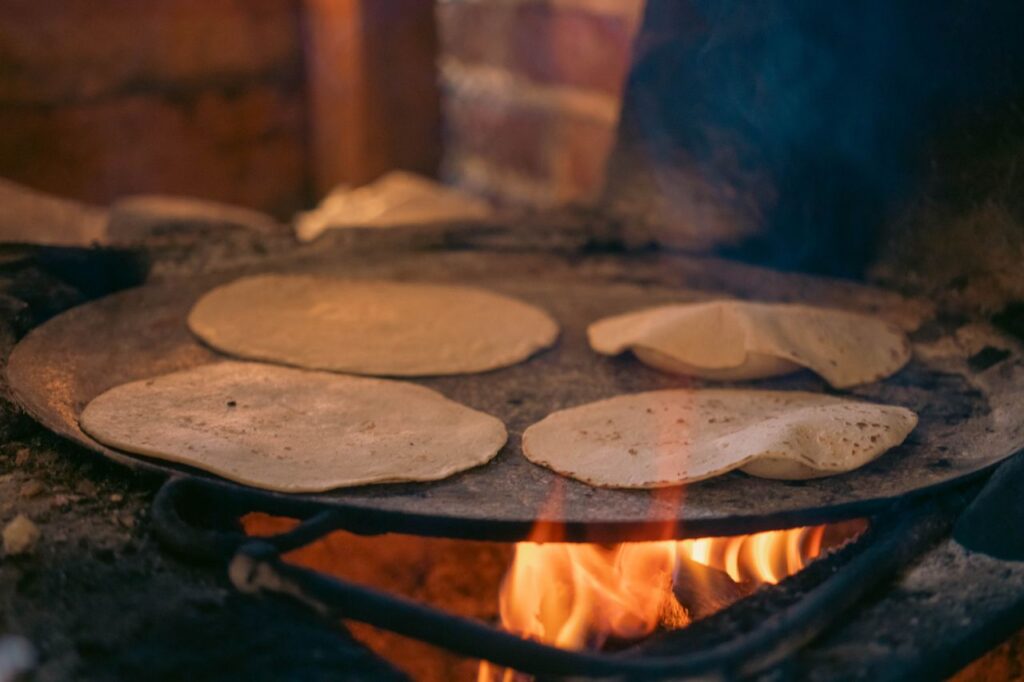
A flour tortilla should be pliable right out of the package,e soft enough to fold without cracking, but with enough structure to hold a filling without going slack. The best ones contain lard or vegetable shortening, salt, flour, and water. When you see a dozen ingredients including dough conditioners, calcium propionate, and mono- and diglycerides, you’re looking at a product engineered for a long shelf life, not for flavor. It will fold. It just won’t taste like much while it does it.
Corn tortillas work on different logic. Ma,s, a, the nixtamalized corn dough that forms the base, gives corn tortillas a deeper, earthier flavor than flour ever will. But they’re more fragile cold. The best corn tortillas warm up fast over a dry skillet and go briefly pliable, then firm up with a little char at the edges. That char is the point. You want it. A corn tortilla that never chars is a corn tortilla that never got hot enough.
And here’s where most home cooks get tripped up: the skillet, not the microwave. Thirty seconds wrapped in a damp paper towel does something to a tortilla, but it’s not the right something. It steams them soft in a way that makes them feel wet rather than warm. A dry cast iron pan over medium heat, 45 seconds per side, that’s the move.
The Flour Tortilla Field
Among widely available flour tortillas, the ones that earn consistent respect from home cooks and food writers tend to share a few traits. They’re thinner than they look in the package. They puff slightly in a hot pan, which means the dough has some life left in it. And they have a faint buttery or porky richness depending on the fat used, not a lot, just enough to taste like something was actually made here.
Mission is probably the brand most Americans have eaten without thinking much about it. It’s fine. Consistent, reliable, pliable enough, not offensive. But it’s also clearly optimized for shelf life over flavor. The ingredients list tells you that before you open the package.
The ones that outperform Mission tend to come from smaller regional producers or from the refrigerated section rather than the bread aisle. Refrigerated tortillas, the ones sold near the eggs and dairy, have a notably shorter ingredient list and a noticeably better flavor. They’re made without the preservatives required to keep a tortilla stable at room temperature for weeks. You can taste the difference in the first bite: something slightly richer, with a little give that doesn’t feel engineered.
If your grocery store carries Guerrero, it performs reliably well in the flour category, better than the category average, consistently pliable, with a flavor that holds up under a heavy filling without disappearing.
The Corn Tortilla Field

Corn tortillas are less forgiving of bad manufacturing than flour tortillas, which is actually a point in their favor. You can’t hide much behind nixtamalized corn.
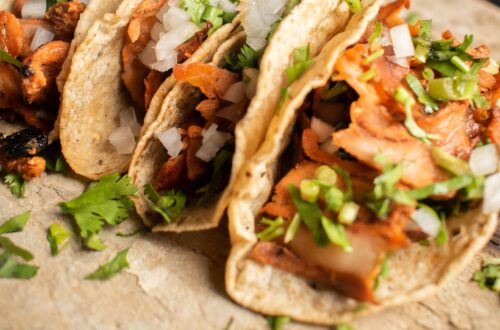
La Tortilla Factory makes corn tortillas that get attention for their masa flavor, genuine corn depth rather than the faint corn-flavored nothing that shows up in the lower tier. Guerrero’s corn tortillas are similarly solid, and they’re in most major grocery chains. They’re what you want if you’re making street-style tacos: small, thin, heated directly on the burner or in a dry skillet until they develop that slight char.
The white corn versus yellow corn question matters more than people realize. White corn tortillas have a milder, slightly creamier flavor. Yellow corn is earthier and a little more assertive. Neither is better; er, they’re different tools. White corn works better under delicate fish or chicken. Yellow stands up to beef and roasted vegetables.
What to avoid: any corn tortilla with an ingredient list that includes things flour tortillas shouldn’t even have. Added gums, preservatives, and flavor additives signal a product that wasn’t good enough to sell on the strength of its masa alone.
The cassava and grain-free tortillas are worth addressing because they’re everywhere now and they prompt a lot of questions. Siete Family Foods makes the most recognizable cassava tortillas on the market. They’re good, genuinely pliable, with a neutral flavor that works under most fillings. They’re also not cheap, and they behave differently than corn or flour: they need heat to come alive and they go stiff fast if they cool down.
They’re the right choice for people who can’t eat corn or gluten. For everyone else, they’re a fine option but not a revelation.
Open packages of flour tortillas last about a week in the fridge and maintain better texture than leaving them on the counter. Corn tortillas are better refrigerated from day one; they go stiff faster at room temperature than flour, and the fridge slows that down without hurting the flavor.
Both freeze well. Stack them flat with a piece of parchment between every two or three, put the stack in a zip bag, and freeze. Reheat directly from frozen in a dry skillet over medium heat. Two minutes per side. They come back almost entirely.
The tortilla you pull out of the freezer in February, warmed in a cast iron pan until the edges just barely char, that one’s better than whatever sad, shelf-stable thing you’d buy on a Tuesday when you forgot to plan. Worth keeping a stack.
Sources
Structural reference for tortilla evaluation criteria and brand comparison methodology
Category context and consumer-facing tortilla guidance
This article was created with AI assistance and reviewed for clarity and accuracy.