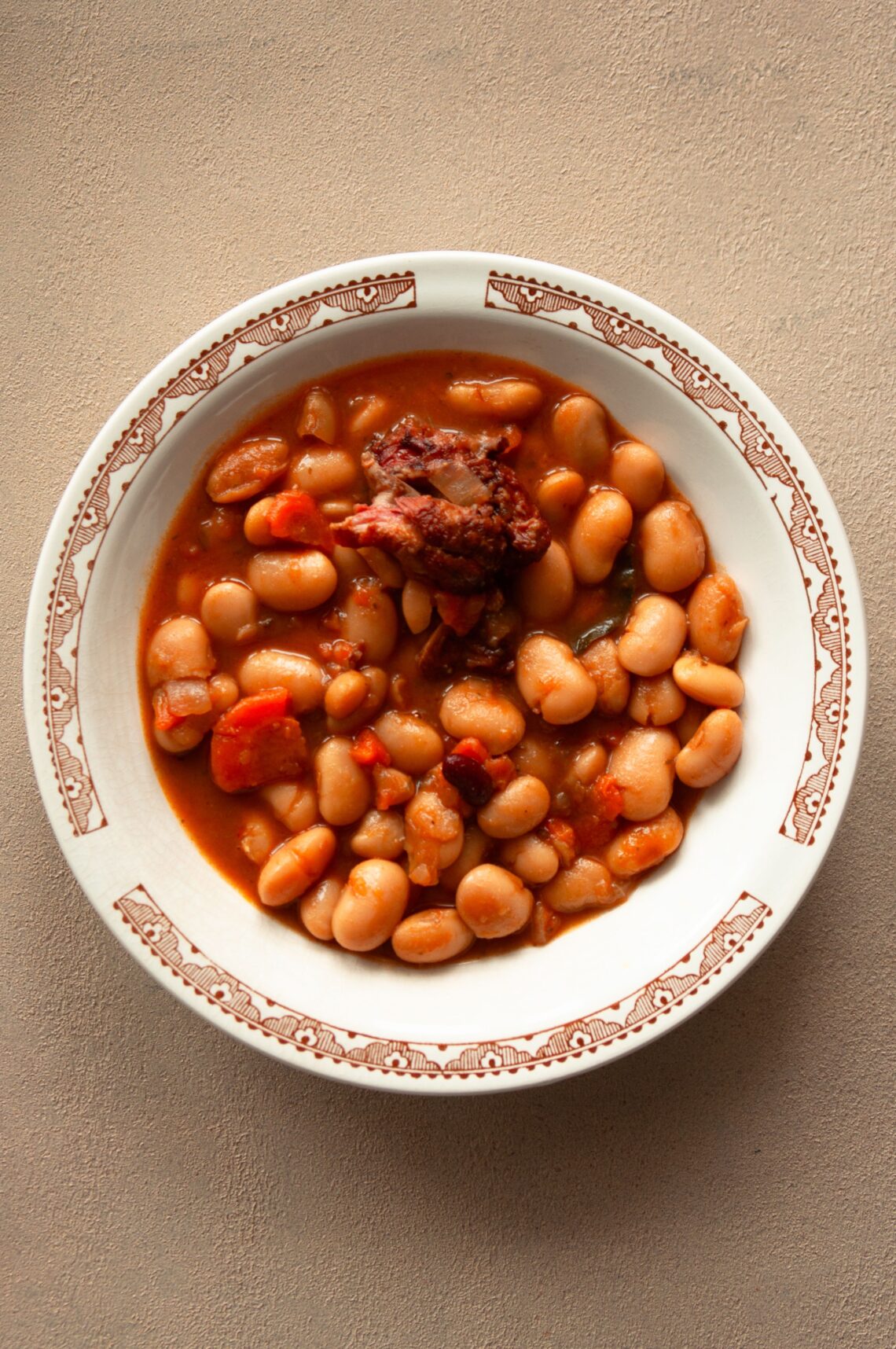
Of all the pantry staples that deserve more respect, dried beans sit near the top of the list. A one-pound bag costs less than a dollar in most grocery stores, yields enough to fill several meals, and produces a pot of beans so much richer than canned that the comparison almost isn’t fair. And yet most home cooks treat the process as a gamble; sometimes they come out creamy and perfect, sometimes they stay stubbornly firm for hours, and nobody is entirely sure why.
The answer, almost always, comes down to three things: soaking, salting, and patience. Get those right, and dried beans become one of the most reliable and satisfying things you can make from scratch.
Start With the Soak But Know What It’s Actually Doing
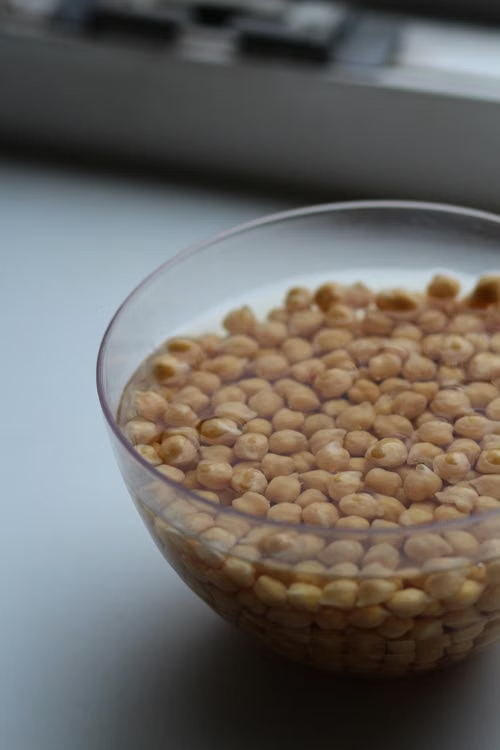
Soaking dried beans overnight is standard advice, and it’s good advice, but it helps to understand why. Dried beans contain complex sugars in their outer skins that, when broken down during a long soak, become easier for your digestive system to handle. Soaking also rehydrates the bean gradually and evenly, which means it cooks more uniformly; the outside doesn’t turn to mush while the center is still chalky. A full overnight soak in cold water, using roughly three times as much water as beans, gives you the best results.
And here’s the part most people skip: drain the soaking water before cooking. That water has pulled off some of the surface starches and those complex sugars. Cooking your beans in fresh water gives you a cleaner, clearer pot liquor and a less gassy result. Rinse the soaked beans once, cover them with fresh cold water by at least two inches, and start from there.
If you forgot to soak them, it happens, the quick soak method works in a pinch. Cover the beans with water in a large pot, bring to a boil, let them boil hard for two minutes, then turn off the heat and let them sit for an hour. Drain, rinse, cover with fresh water, and cook as you normally would. The texture won’t be quite as silky as a long soak produces, but it’s close.
When to Add Salt
For years, the received wisdom was firm: never salt dried beans until they’re done cooking, or the skins will tighten, and the beans will stay tough no matter how long they simmer. Cooks passed this down through generations as settled fact. It turns out it’s mostly a myth.
Food science testing, including work done by writers and recipe developers at publications like Serious Eats, has shown that salting beans early, even during the soak, actually produces a creamier result. Salt helps break down the pectin in the bean’s skin over time, which softens the exterior without turning it to mush. Beans salted from the start cook up with skins that are tender all the way through, not tight or papery.
The sweet spot: add a generous amount of salt to your soaking water, about one tablespoon per quart. Then salt the cooking water as well, tasting as you go, the same way you’d season pasta water. The beans will absorb some of that seasoning as they cook, which means they’ll be flavored all the way through, not just on the surface.
What does ruin a pot of beans is acid. Tomatoes, vinegar, citrus juice, wine, anything acidic introduced early in the cooking process will slow the softening of the bean’s skin significantly. The pectin that makes beans creamy requires a neutral or alkaline environment to break down. If you’re making a tomato-based bean stew or chili, cook the beans fully first, then add the tomatoes. This one adjustment alone fixes most of the “beans that just won’t get tender” problem.
The Low, Slow Simmer Is Not Negotiable
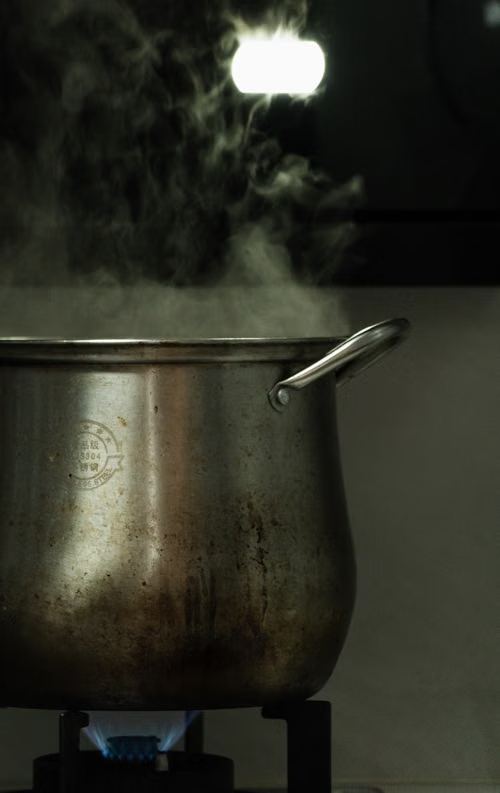
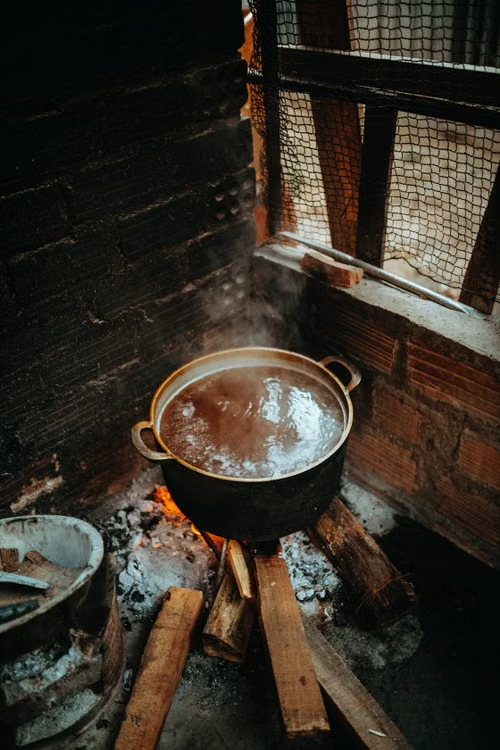
Once the beans are soaking behind you and you’re ready to cook, the most important instruction is the simplest: keep the heat low. Beans cooked at a rolling boil for speed will have blown-out skins and mushy outsides with underdone centers. The boil agitates them too aggressively, breaking the exterior apart before the interior has had time to fully soften.
What you want is a gentle, lazy simmer, just a few slow bubbles breaking the surface. Cook the beans uncovered or with the lid slightly ajar so steam can escape, which helps keep the temperature moderate. At this pace, most beans take anywhere from one to two hours, depending on variety and age. Older beans, the ones that have been sitting in the pantry for a year or more, can take significantly longer. If your beans seem to be taking forever, age is usually the culprit.
Check the beans every thirty minutes or so. When they’re done, they should be completely tender all the way through, with no chalky center and skins that are intact but soft. A done bean should crush easily between your tongue and the roof of your mouth without any resistance.
The Pot Matters More Than You Think
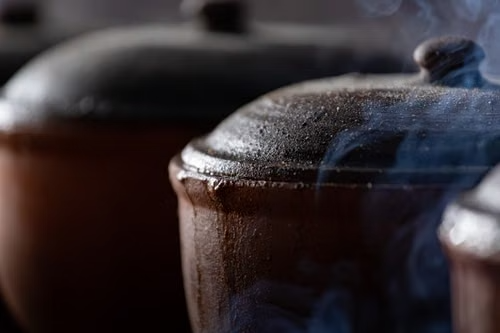
A heavy-bottomed pot makes a real difference here. Cast iron, enameled cast iron, or a thick-walled Dutch oven distributes heat evenly and holds a steady temperature without hot spots that can scorch the bottom of the pot. If you’ve burned a batch of beans before, uneven heat was almost certainly part of the problem.
The cooking liquid matters too. Water works fine, but a pot of dried beans cooked with aromatics in the water becomes something else entirely. A few smashed garlic cloves, a halved onion, a bay leaf or two, a dried chile- these don’t add strong flavor so much as they add depth. The beans absorb the liquid as they cook, and that liquid becomes the pot liquor, which is worth saving. Pour it off and freeze it if you’re not using it immediately. It’s the base of a very good soup.
Not all dried beans cook the same way, and it’s worth keeping a few differences in mind. Smaller beans, black beans, navy beans, and lentils tend to cook faster than large ones like cannellini or gigante beans. Chickpeas are on the longer end of the spectrum and benefit most from a full overnight soak. Lentils are the outlier: they need no soaking at all and cook in under forty minutes on a gentle simmer. Red lentils cook even faster and fall apart into a thick, porridge-like consistency, which makes them ideal for soups and dal but not for dishes where you want the bean to hold its shape.
The reward for getting this right is a pot of beans that tastes nothing like what comes out of a can, richer, creamier, with real body and seasoning all the way through. Once you make a batch this way, it’s hard to go back.
If you’ve been avoiding dried beans because they seemed fussy or unpredictable, the soak-salt-simmer sequence above is the whole answer. Most of the mystery disappears the first time you work through it.
Sources
Reference for food-science testing on salting beans early and acid’s effect on bean texture
on bean varieties, composition, and cooking properties
This article was created with AI assistance and reviewed for clarity and accuracy.