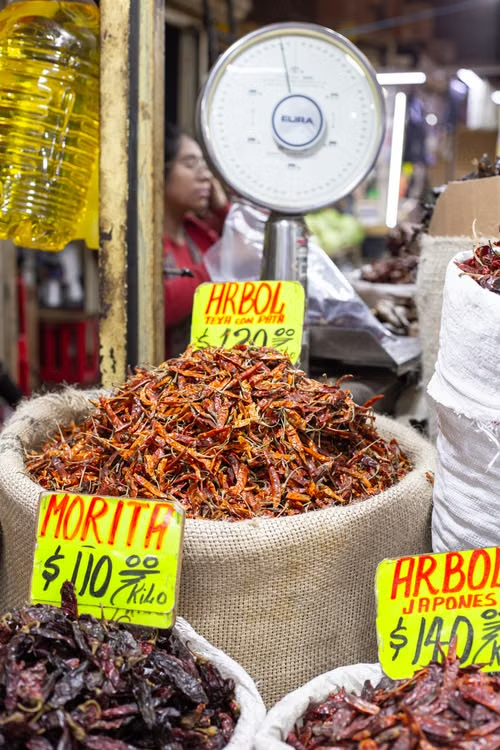
The dried chile section of a Latin grocery store can stop a confident cook cold. There are a dozen varieties hanging in cellophane bags, each one a different shade of burgundy or black or rust, and the labels don’t always help. Ancho. Mulato. Pasilla. Guajillo. If you’ve ever reached for whichever bag looked most familiar and hoped for the best, you’re in good company.
But here’s the thing most chile guides skip over entirely: in Mexican cooking, fresh and dried chiles are treated as completely different ingredients, not interchangeable, not one a substitute for the other. A fresh poblano and a dried ancho are the same pepper at different stages of its life, but they behave so differently in the pan that Mexican cooks have given them separate names. Learning that one fact makes the rest of this a lot easier.
The Fresh Chiles You’ll Use Most
Poblano peppers are the workhorse of Mexican home cooking. Wide-shouldered and dark green, they’re mild enough to eat as a stuffed main course,e which is exactly what chiles rellenos are, but they carry a grassy depth that bell peppers can’t touch. Roasting them over a gas flame until the skin blisters and blackens is the move; the char comes off under running water, and what’s underneath is silky and rich. Poblanos range from mild to occasionally surprising, and there’s no reliable way to predict which one will have heat.
Jalapeños are probably the most recognized chile in American kitchens, which means they’re also the most misused. Left on the plant to ripen fully, a jalapeño turns red and sweetens. The white ribs inside hold most of the capsaicin, so seeding them drops the heat significantly without changing the flavor profile. For weeknight cooking, jalapeños work raw in salsas, charred in sauces, or simmered into braises.
Serranos look like a smaller, thinner jalapeño, and they are about three to five times hotter. They have a brighter, cleaner heat than a jalapeño, sharper on the front of the tongue rather than building slowly. Mexican cooks use them raw more often than jalapeños, particularly in table salsas where the heat needs to be immediate and clean.
Habaneros deserve their reputation. They sit at a completely different level of heat from jalapeños and serranos, and they also carry a floral, almost fruity flavor that nothing else replicates. A little goes a long way in hot sauces and marinades. They’re worth knowing.
The Dried Chiles That Run the Flavor
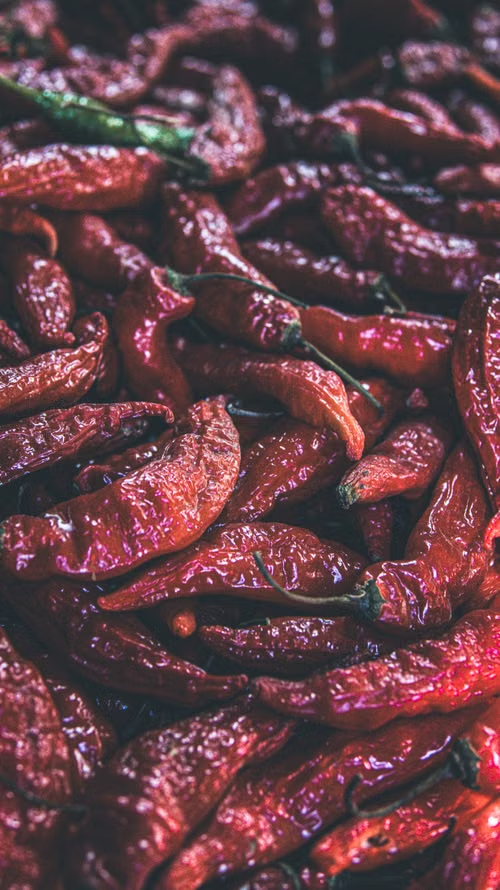
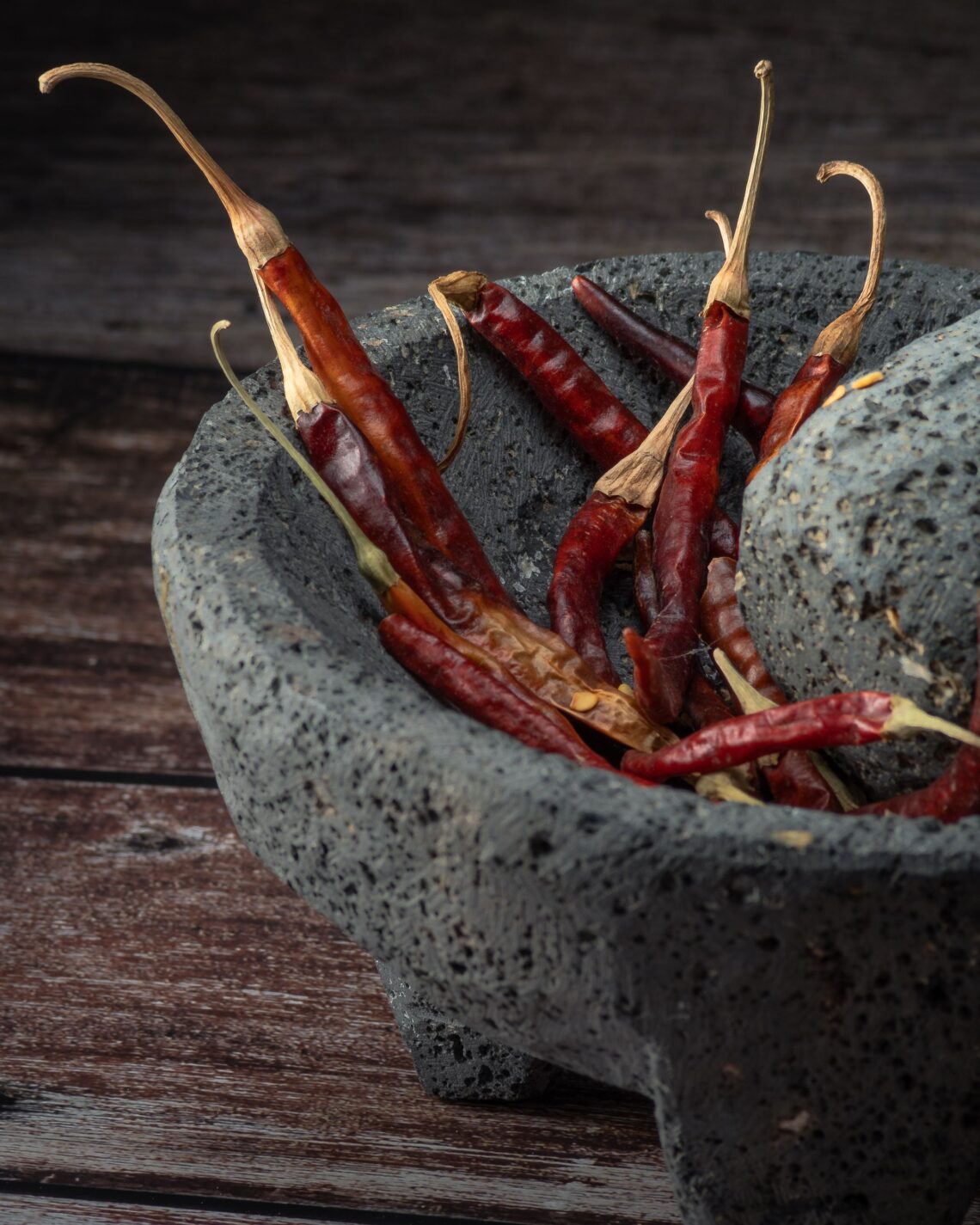
Dried chiles are where Mexican cooking builds its complexity, and this is the part that intimidates people most unnecessarily. The drying process concentrates sugars, deepens color, and creates flavors- not-so-chocolate, raisin, tobacco, dried fruit- that fresh chiles simply don’t have. Most dried chiles are toasted briefly in a dry skillet, then soaked in hot water until soft, before being blended into sauces. The soaking liquid is often added back in. Nothing about this is difficult. It just takes a little time.
Ancho is the dried form of the poblano, and it’s one of the most useful dried chiles in the pantry. Dark reddish-brown, wrinkled, and broad, anchos have a mild heat and a deep, chocolatey sweetness. They’re a foundational ingredient in red mole and in chili con carne. If you buy only one dried chile, buy this one.
Guajillo chiles are long, smooth, and a brighter red than anchos. They have a tannic, slightly tart quality alongside moderate heat, and they form the backbone of many red chile sauces, the kind that go over enchiladas, into pozole broth, and onto braised meats. Guajillos have a tougher skin than anchos, so they benefit from a longer soak, and straining the blended sauce through a fine-mesh sieve helps with texture.
Mulato chiles look almost identical to anchos, same broad, dark shape, but they’re made from a different variety of poblano that ripens to brown rather than red. The flavor is noticeably different: earthier, with notes of chocolate and licorice. Mulatos appear in mole negro alongside anchos and pasillas, and the combination is the reason mole negro tastes like nothing else in the world.
Pasilla chiles are long, thin, and very dark, nearly black, which is why they’re sometimes called chile negro. They have a mild-to-medium heat and a complex flavor that leans toward dried fruit and mild earthiness. Pasillas are often blended with anchos and guajillos in red sauces, where they add depth without dominating. Worth noting: “pasilla” means different things in different regions of Mexico, which is a source of genuine confusion even among experienced cooks.
Chipotle chiles are smoked, dried jalapeños, and they’re the dried chile most Americans already know, usually from canned chipotles in adobo sauce. The smoking process gives them a quality that’s completely unlike any other dried chile. They add heat and a deep, campfire-adjacent flavor to salsas, marinades, and braises. The canned version is a legitimate pantry staple and works just as well as the dried whole chiles in most recipes.
How to Buy and Store Them
Fresh chiles should feel firm and have tight, shiny skin. A wrinkled jalapeño isn’t dangerous, but it’s past its best. Store them in the refrigerator in a paper bag, not plastic, and use them within a week or two.
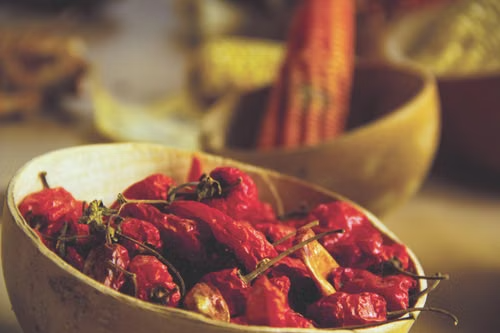
Dried chiles should feel pliable, not rock-hard and crumbly. A dried chile that snaps cleanly like a cracker has been sitting too long and will taste dusty rather than complex. Buy them from stores with good turnover. Latin grocery stores almost always have fresher stock than the spice aisle of a general supermarket. Store them in a sealed bag in a cool, dark place, and they’ll keep for several months.
Toasting is a step worth taking with nearly all dried chiles. Thirty seconds per side in a dry skillet over medium heat, until they soften slightly and release a warm, toasty fragrance, opens up the flavor in a way that no amount of soaking compensates for. Don’t skip it. And don’t walk away from the pan; they go from toasted to bitter in about fifteen seconds.
The mistake most home cooks make isn’t using the wrong chile. It’s treating all chiles as interchangeable sources of heat rather than distinct flavor ingredients with their own personalities. An ancho brings sweetness and body. A guajillo brings brightness and tang. A pasilla brings depth and darkness. Reaching for whichever one is closest changes the dish, and once you start noticing the difference, a can of generic chili powder starts to feel like a missed opportunity.
Sources
Background on poblano pepper characteristics and culinary use
Flavor profile, culinary applications, and regional context
Dried poblano characteristics, mole applications, and Scoville context
This article was created with AI assistance and reviewed for clarity and accuracy.