A kitchen workflow determines how smoothly cooking fits into daily life. The way ingredients move from storage to prep, then to cooking and cleanup, affects speed, comfort, and enjoyment more than most people realize. I feel the difference immediately in kitchens where movement feels natural instead of forced. A sensible workflow removes unnecessary steps and lets attention stay on the food rather than the space.
Designing a kitchen workflow is less about style and more about behavior. The best layouts support how cooking actually happens, not how it looks in photos. Once the flow aligns with real habits, cooking becomes calmer, faster, and far more satisfying. A thoughtful workflow turns the kitchen into a place that works with you instead of against you.
Workflow Begins With How You Move
Movement is the backbone of any kitchen workflow. Every meal follows a similar path from gathering ingredients to washing dishes at the end. When that path is awkward or interrupted, time and energy are wasted without notice. I pay attention to how many steps I take between tasks because those steps reveal inefficiencies.
A sensible workflow minimizes backtracking. Prep, cooking, and cleanup should flow forward rather than crisscrossing the space. When movement feels intuitive, the kitchen stops feeling busy even during complex meals.
Storage Should Follow Cooking Order
Storage works best when it mirrors the order of use. Ingredients needed first should be easiest to reach, while less frequently used items can live farther away. I organize storage so dry goods and produce are accessible before prep begins, while cookware stays close to the cooking area.
This arrangement reduces interruptions. I am not walking across the kitchen mid-cooking to retrieve something forgotten. Everything appears when it is needed, which keeps the workflow smooth and predictable.
Prep Zones Deserve Dedicated Space
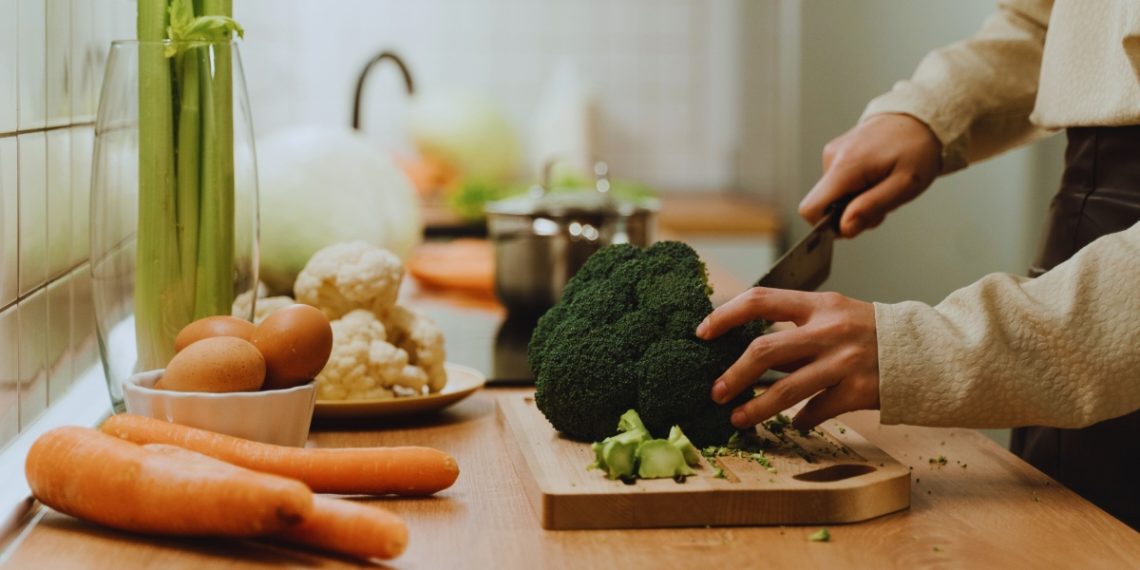
Preparation is where most time is spent, yet it often gets the least attention in kitchen design. A dedicated prep zone with clear counter space, knives, cutting boards, and mixing bowls nearby saves enormous time. I notice how much faster meals come together when prep happens in one continuous area.
This zone should feel flexible rather than crowded. Enough space to spread ingredients prevents stacking and reshuffling. Prep becomes efficient because everything stays within reach and in view.
Cooking Zones Should Stay Focused
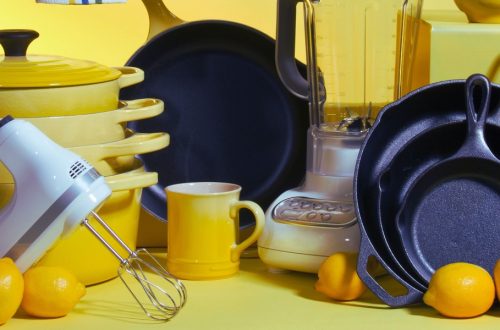
Cooking zones function best when distractions are minimized. Pans, utensils, oils, and seasonings belong close to the stove, not scattered across the kitchen. I arrange this area so nothing pulls attention away from heat control and timing.
A focused cooking zone improves accuracy. Adjustments happen faster, and food is monitored more closely. The workflow stays tight because the most critical moments are supported rather than interrupted.
Ingredient Flow Matters More Than Layout
Traditional kitchen layouts often focus on shape rather than function. What matters more is how ingredients move through the space. I think in terms of flow rather than geometry. Ingredients should travel in one direction from storage to prep to cooking.
This linear movement prevents congestion. The kitchen feels calmer because tasks do not overlap unnecessarily. Workflow improves when movement follows a logical sequence instead of bouncing around the room.
Sink Placement Affects Every Task
The sink plays a role in nearly every stage of cooking. Washing produce, cleaning tools, and managing spills all depend on easy access. I pay close attention to how far the sink is from prep and cooking zones because that distance affects efficiency.
A sink near the prep area speeds up transitions. Rinsing vegetables or cleaning knives becomes seamless. The workflow benefits because water-related tasks integrate smoothly rather than feeling separate.
Tools Should Live Where They Are Used
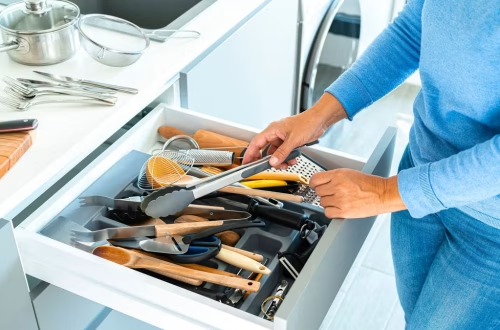
Tool placement has a direct impact on workflow. When tools live far from where they are used, movement increases and focus breaks. I store knives near prep space, utensils near the stove, and cleaning supplies near the sink.
This placement removes hesitation. My hands move automatically to the right spot without thought. Workflow improves because actions feel continuous rather than fragmented.
Counter Space Supports Logical Sequencing
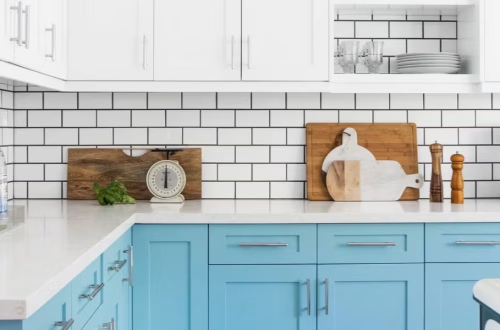
Counter space is not just about size, but about placement. Clear counters between zones allow ingredients and dishes to rest temporarily as they move through the workflow. I use counters as transition points rather than storage surfaces.
These transitions support sequencing. Ingredients move from fridge to counter to prep to pan without interruption. The kitchen feels cooperative rather than congested.
Vertical Storage Protects Horizontal Flow
Crowded counters disrupt workflow. Vertical storage keeps frequently used items accessible without occupying work surfaces. I rely on shelves, hooks, and wall-mounted solutions to preserve counter space.
This approach keeps movement fluid. Tasks unfold without needing to clear space repeatedly. Workflow improves because surfaces remain ready for action at all times.
The Refrigerator Should Support Prep, Not Hinder It
Refrigerator placement influences how smoothly prep begins. I prefer easy access from the prep zone so ingredients can be gathered quickly. A fridge that requires crossing the kitchen slows momentum.
Inside the refrigerator, organization matters just as much. Items arranged by use frequency reduce searching and decision time. Workflow benefits because ingredient gathering feels quick and intentional.
Pantry Access Shapes Meal Planning Speed
Pantry location affects both cooking and planning. I design pantry access so staples are visible and reachable without disruption. This setup speeds up both daily meals and grocery planning.
Clear pantry workflow prevents last-minute surprises. I know what is available before cooking starts. The process feels steady instead of reactive.
Workflow Improves With Fewer Obstacles
Physical obstacles break workflow silently. Doors that block movement, tight corners, and poorly placed islands interrupt flow. I pay attention to how often I pause or pivot unnecessarily.
Reducing obstacles creates a sense of openness. Movement becomes smoother, and tasks feel lighter. Workflow thrives when the space allows easy transitions between zones.
Cleaning Should Flow Naturally After Cooking
Cleanup is part of the workflow, not a separate event. I design the kitchen so dishes move easily from table to sink to storage. When cleanup fits naturally into the flow, it feels less like a chore.
A clear path from cooking to cleaning prevents pileups. Tools return to their place quickly, and counters reset themselves. Workflow remains intact even after the meal ends.
Workflow Adapts to Daily Routines
A sensible workflow reflects real routines rather than idealized ones. I consider how often I cook, what meals look like on busy days, and who else uses the kitchen. These realities shape the most effective flow.
Flexibility matters. A workflow that adapts to different needs stays useful over time. The kitchen continues to support cooking rather than forcing adjustments.
Shared Kitchens Need Clear Boundaries
When multiple people use the kitchen, workflow clarity becomes essential. I define zones so tasks do not collide. Prep, cooking, and cleaning areas remain distinct even when shared.
These boundaries prevent confusion. Everyone knows where to work and where to return items. Workflow stays smooth because roles and spaces are clear.
Workflow Benefits From Habit Awareness
Habits reveal the best workflow adjustments. I observe repeated actions to see where friction appears. These moments highlight where changes are needed most.
Small adjustments based on habit create lasting improvement. The kitchen begins to anticipate needs. Workflow evolves naturally instead of feeling forced.
Design Choices Should Reduce Decision Fatigue
A sensible workflow reduces unnecessary decisions. When placement is intuitive, the brain focuses on cooking rather than logistics. I notice fewer pauses and less frustration when everything has a clear place.
This clarity improves confidence. Cooking feels more natural and enjoyable. Workflow supports creativity instead of draining it.
Time Savings Appear Without Effort
The biggest benefit of a well-designed workflow is invisible time savings. I am not rushing, yet meals finish sooner. The kitchen works efficiently without conscious effort.
These savings accumulate daily. Over time, cooking feels easier and less demanding. Workflow quietly enhances every meal.
Final Thoughts
Designing a kitchen workflow that makes sense starts with observing how cooking actually happens. Logical movement, intentional storage, and clear zones support smoother transitions and better focus. The goal is not perfection, but alignment between space and habit.
A sensible workflow turns the kitchen into a supportive environment rather than a challenge to overcome. Cooking becomes calmer, faster, and more enjoyable. When the flow feels right, everything else follows naturally.