
Good meals do not depend on long shopping lists or rare ingredients that are hard to pronounce. The most memorable dishes I have cooked and eaten were built from a handful of familiar items handled with care. Simplicity in ingredients has a way of stripping food down to its essence, letting each element speak clearly instead of competing for attention. That clarity is where real flavor lives.
Simple ingredients also invite confidence into the kitchen. Instead of feeling overwhelmed by steps and substitutions, cooking becomes focused and intuitive. The fewer components involved, the more visible each decision becomes, and that awareness naturally leads to better results. Meals stop feeling like projects and start feeling like expressions of good judgment.
This approach is not about limiting creativity or avoiding technique. It is about recognizing that restraint often produces deeper satisfaction than excess. Simple ingredients, treated thoughtfully, create meals that feel complete rather than complicated.
Simplicity Highlights Natural Flavor
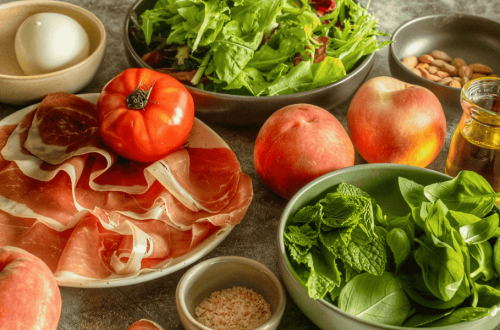
Simple ingredients shine because they are not buried under layers of competing tastes. A ripe tomato, good olive oil, and salt can deliver more pleasure than a sauce made with ten elements that fight for dominance. Each ingredient has room to show its natural character, and that honesty comes through on the plate.
When flavors are not masked, the quality of ingredients becomes more noticeable. Sweetness tastes sweeter, bitterness feels intentional, and acidity provides brightness instead of shock. This transparency encourages better ingredient habits because flaws are harder to hide. Cooking this way builds trust between the cook and the food.
I find that meals made from simple ingredients taste cleaner and linger longer in memory. The absence of clutter allows the palate to relax and enjoy what is actually there.
Fewer Ingredients Encourage Better Technique
Cooking with simple ingredients exposes technique in a way complex recipes never do. When there are only a few components, each step matters more. Heat control, seasoning, and timing become obvious rather than hidden behind sauces or garnishes.
Mistakes are also easier to recognize and fix. Overcooked vegetables or under-seasoned proteins cannot hide, which makes each cooking session a learning experience. This kind of feedback is invaluable, especially for home cooks trying to improve. It creates a direct link between action and outcome.
Over time, simple cooking builds stronger instincts. Confidence grows because success feels repeatable, not dependent on strict instructions.
Simple Ingredients Reduce Decision Fatigue
Long ingredient lists often bring unnecessary stress. Deciding between brands, substitutions, and quantities can drain enthusiasm before cooking even starts. Simple ingredients remove that friction, making the process feel lighter and more approachable.
With fewer decisions to make, attention shifts toward quality rather than quantity. Energy goes into selecting the best version of each ingredient instead of managing dozens of mediocre ones. This focus makes shopping easier and cooking more enjoyable.
Meals prepared this way feel intentional rather than rushed. The calm that simplicity brings carries through to the final dish.
Familiar Ingredients Create Emotional Comfort
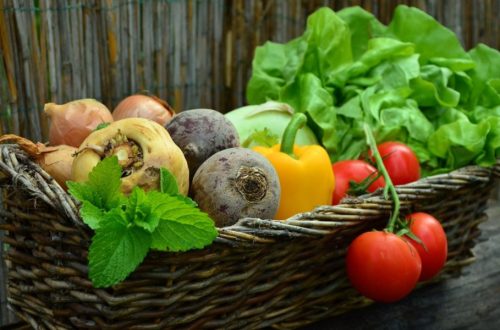
Simple ingredients often connect directly to memory. Bread, eggs, vegetables, rice, and herbs appear across cultures and generations. Cooking with them taps into a sense of familiarity that feels comforting without being boring.
That emotional connection plays a huge role in satisfaction. A dish made from recognizable ingredients feels approachable and nourishing. It invites people to relax and enjoy rather than analyze what they are eating.
I notice that meals built from simple components tend to disappear faster from the table. People eat more intuitively, guided by comfort instead of curiosity.
Simplicity Makes Quality More Important
Simple cooking places responsibility where it belongs, on the ingredients themselves. Without heavy seasoning or elaborate techniques to compensate, quality becomes non-negotiable. Freshness, texture, and origin suddenly matter more.
This naturally leads to better habits. Ingredients are handled more gently, cooked more carefully, and wasted less often. The cook becomes more selective, not out of snobbery, but out of necessity.
That shift changes how food is valued. Ingredients stop being disposable and start being appreciated.
Simple Ingredients Improve Balance
Balance is easier to achieve with fewer elements. Sweet, salty, acidic, and bitter notes are clearer when they are not buried. Adjustments feel more precise because each ingredient has a defined role.
Complex dishes often rely on correction at the end. Simple dishes are built correctly from the beginning. A squeeze of lemon, a pinch of salt, or a drizzle of oil has immediate and predictable effects.
This clarity makes cooking feel less like guesswork. Balance becomes intuitive rather than technical.
Less Clutter Means Better Texture
Texture is often overlooked in complex recipes. With many ingredients, attention shifts toward flavor combinations, leaving texture as an afterthought. Simple ingredients bring texture back into focus.
Crisp vegetables, tender grains, creamy fats, and firm proteins all stand out more clearly. Cooking times become easier to judge because there are fewer variables. The result is food that feels satisfying to eat, not just flavorful.
I find that texture often determines whether a dish feels finished. Simple cooking makes that easier to achieve consistently.
Simple Meals Are Easier to Repeat
Repetition is how great cooking habits form. Simple meals are easier to repeat because they do not require rare ingredients or complicated steps. This repeatability builds confidence and consistency.
Each time a simple dish is cooked, small improvements happen naturally. Timing improves, seasoning becomes more precise, and intuition sharpens. These refinements accumulate over time.
Complex recipes rarely get this benefit because they are cooked too infrequently. Simplicity encourages mastery rather than novelty.
Simplicity Encourages Seasonal Cooking
Simple ingredients align naturally with seasonal cooking. Seasonal produce often needs very little help to taste good. Its freshness and natural balance do most of the work.
Cooking seasonally also reduces the temptation to overcomplicate. Ingredients at their peak already taste complete. Adding too much feels unnecessary rather than helpful.
This rhythm creates meals that feel grounded and timely. Food starts reflecting the moment rather than resisting it.
Simple Ingredients Reduce Waste
Fewer ingredients mean fewer leftovers that linger unused. Simple cooking encourages buying only what is needed and using it fully. This reduces waste without requiring strict planning.
Ingredients that appear in multiple simple dishes are easier to use up. Herbs, vegetables, and staples cycle through meals instead of sitting forgotten. Cooking becomes more efficient and economical.
That efficiency adds to satisfaction. Less waste means fewer regrets and more enjoyment.
Simplicity Strengthens Ingredient Knowledge
Working repeatedly with simple ingredients builds familiarity. Their behavior under heat, their flavor changes, and their pairing preferences become second nature. This knowledge is hard to develop when constantly switching between complex recipes.
Knowing ingredients deeply allows for improvisation. Meals become flexible rather than rigid. A missing component stops feeling like a failure and starts feeling like an opportunity.
This confidence transforms cooking from following instructions into making decisions.
Simple Ingredients Support Health Without Obsession
Simple meals often align naturally with balanced eating. Whole ingredients prepared plainly allow the body to recognize fullness and satisfaction more easily. There is less temptation to overeat when food feels nourishing rather than engineered.
This does not require strict rules or restrictions. Simplicity creates balance without calculation. Meals feel lighter yet more satisfying.
That ease supports consistency. Healthy habits stick better when they feel natural.
The Psychology of Flavor: Why Some Meals Feel More Satisfying
Satisfaction is not just about taste. It is about clarity, balance, and emotional response. Simple ingredients create harmony that the brain recognizes as completeness.
When flavors are clean and recognizable, the mind relaxes. There is no need to decode or analyze what is happening. That ease allows enjoyment to take center stage.
Meals built from simple ingredients often feel more nourishing even if they are not lighter. Satisfaction comes from coherence, not complexity.
Simplicity Makes Cooking More Personal
Simple cooking invites personal judgment. Without rigid instructions or elaborate assemblies, the cook’s taste matters more. Adjustments feel meaningful rather than risky.
This personal involvement creates connection. Meals reflect mood, preference, and intuition. Cooking stops feeling generic and starts feeling expressive.
That connection deepens enjoyment for both the cook and the people eating.
Simple Ingredients Age Well as Skills Improve
As skills grow, simple ingredients continue to reward attention. They never become boring because subtle improvements always remain possible. Mastery reveals itself slowly through refinement rather than reinvention.
Complex recipes often peak quickly. Once learned, there is little room for growth. Simple cooking, on the other hand, evolves endlessly.
This makes it a sustainable approach. Interest stays alive without constant novelty.
Simplicity Creates Trust at the Table
Meals made from simple ingredients inspire trust. Diners recognize what they are eating and feel comfortable engaging with it. This trust enhances enjoyment and openness.
Food feels honest rather than performative. That honesty encourages conversation and connection rather than distraction. Meals become shared experiences instead of displays.
I notice that simple food disappears faster and leaves people more content.
Final Thoughts
Simple ingredients create the best meals because they respect flavor, technique, and human experience. They reduce noise and allow what matters to come forward. Cooking becomes clearer, calmer, and more rewarding.
This approach does not limit creativity. It refines it. By focusing on fewer elements, attention deepens and results improve naturally.
Great meals are not built on excess. They are built on clarity, care, and confidence, all of which thrive when simplicity leads the way.