A well-organized kitchen changes the way food comes together long before the stove is turned on. The layout of tools, the placement of ingredients, and the general flow of the space quietly influence every decision I make while cooking. Meals feel calmer to prepare, mistakes happen less often, and creativity has more room to breathe. Organization is not about perfection or aesthetics alone, but about building an environment that supports better cooking from start to finish.
Cooking is a physical activity as much as it is a mental one. When my kitchen is arranged with intention, my focus stays on flavor, timing, and technique instead of searching for missing tools. That shift in attention may seem small, but over time it transforms how confidently and consistently dishes come out. A tidy, logical kitchen acts like an invisible assistant, guiding each step without interruption.
Organization Shapes How the Brain Cooks
The brain responds strongly to order, especially in spaces where multiple tasks happen at once. Cooking requires planning, multitasking, and constant adjustment, all of which compete for mental energy. When counters are cluttered and drawers are chaotic, the mind stays slightly tense, even if the mess feels familiar. That tension subtly affects patience, timing, and decision-making.
An organized kitchen reduces cognitive load. I notice that when ingredients are grouped logically and tools live where I expect them to be, my thoughts stay clearer. Instead of reacting to obstacles, I stay proactive and intentional. This mental clarity directly improves cooking outcomes, particularly with complex recipes that demand attention and precision.
Faster Prep Leads to Better Results
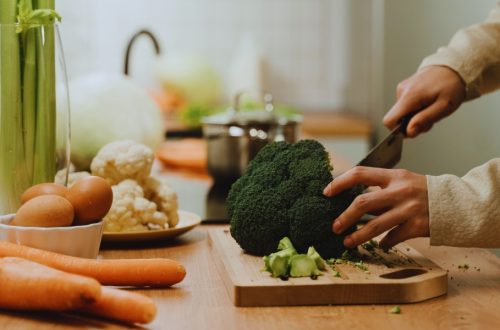
Preparation sets the tone for the entire cooking process. A kitchen that supports efficient prep encourages me to wash, chop, measure, and stage ingredients properly before heat is applied. Knives are sharp and accessible, cutting boards are within reach, and mixing bowls are easy to grab. This flow keeps momentum steady rather than rushed.
When prep is smooth, cooking feels controlled instead of frantic. Ingredients hit the pan at the right moment, sauces are not forgotten on the stove, and seasoning adjustments happen with confidence. Speed is not the goal, but rhythm is, and a well-organized kitchen makes that rhythm easier to find.
Cleaner Spaces Encourage Better Habits
Cleanliness and organization reinforce each other. When the kitchen is arranged thoughtfully, cleaning as I go becomes natural rather than forced. Tools return to their place quickly, spills get wiped immediately, and trash never piles up unnoticed. These small habits prevent overwhelm later in the process.
A clean workspace also affects how ingredients are handled. Raw proteins stay separate, produce gets washed properly, and cross-contamination risks drop significantly. These practices protect both flavor and safety, making meals not just better tasting but also more reliable and professional in execution.
Tools Become Extensions of the Hands
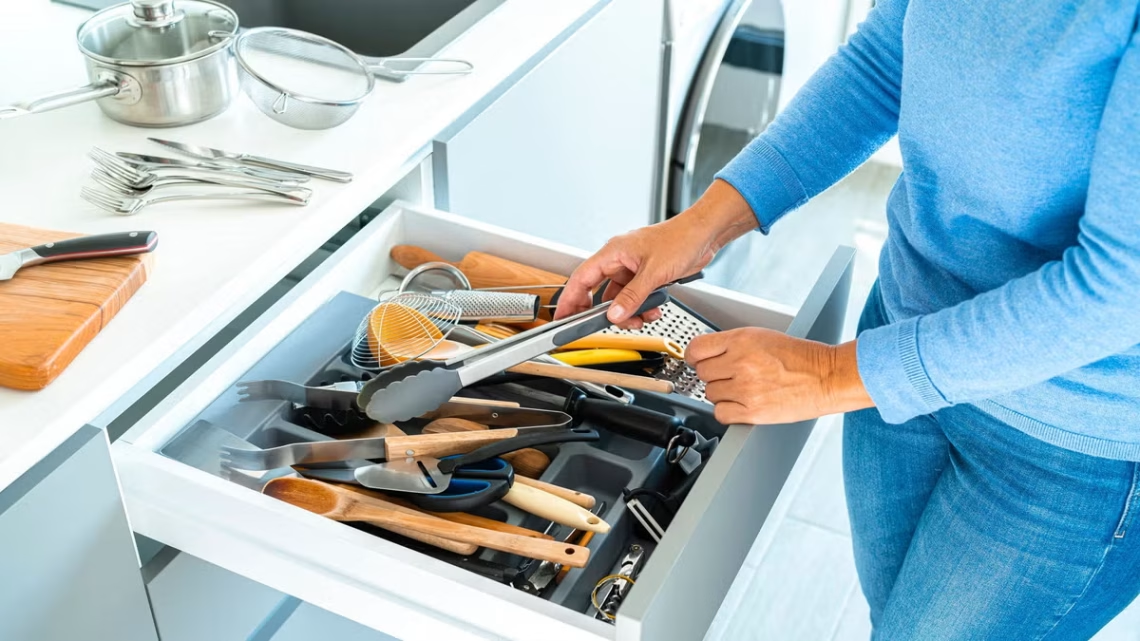
Every cook relies on a handful of essential tools. When those tools are stored poorly or scattered randomly, they interrupt the flow of cooking. Reaching for a spatula and finding three mismatched ones buried in a drawer slows everything down. Over time, these interruptions chip away at confidence and enjoyment.
An organized kitchen allows tools to feel intuitive. I know exactly where the whisk is, which pan heats evenly, and which knife works best for a specific task. This familiarity makes movements smoother and more precise, which matters when cooking techniques depend on timing and control.
Ingredient Visibility Improves Flavor Decisions
Ingredients that are hidden are often forgotten. A cluttered pantry or overcrowded refrigerator makes it easy to overlook items that could elevate a dish. Organization brings visibility, and visibility sparks ideas. Seeing spices lined up clearly or vegetables stored properly encourages creative combinations.
Better ingredient awareness also reduces waste. I am more likely to use fresh herbs before they wilt and notice when staples run low. Flavor improves when ingredients are fresh, balanced, and chosen intentionally rather than out of convenience or habit.
Consistency Comes From Systems, Not Guesswork
Great cooking is rarely accidental. It grows from repeatable systems that support consistent results. Organization provides the structure those systems rely on. Measuring tools are always in the same place, pantry staples are replenished regularly, and cookware is stored based on how often it is used.
These systems eliminate guesswork. Instead of improvising under pressure, I follow routines that free mental space for creativity. Consistency does not mean boring meals, but rather a dependable foundation that allows experimentation without chaos.
Reduced Stress Improves Taste Perception
Stress changes how food is experienced. When cooking feels rushed or frustrating, it becomes harder to taste subtle flavors or judge balance accurately. A disorganized kitchen adds unnecessary stress through small but constant obstacles. Over time, that stress dulls enjoyment and focus.
In an organized kitchen, cooking feels calmer and more deliberate. I taste more carefully, adjust seasoning with patience, and trust my instincts. That calm translates into better-balanced dishes and a more satisfying final result, both for the cook and for anyone sharing the meal.
Better Time Management Enhances Cooking Confidence
Timing is one of the hardest skills to master in cooking. Multiple elements often need to come together at the same moment, and poor organization makes that challenge even harder. Searching for tools or ingredients steals time that should be spent monitoring heat or adjusting texture.
When everything has a designated place, time management improves naturally. I can focus on sequencing tasks correctly, knowing that nothing will slow me down unexpectedly. This confidence grows with each successful meal, reinforcing the value of an organized kitchen.
Organization Supports Skill Development
As cooking skills improve, so do expectations. Techniques become more nuanced, and attention to detail matters more. A chaotic kitchen limits growth by constantly pulling focus away from technique. Organization creates the space needed to practice skills intentionally.
With a well-organized setup, I experiment more willingly. New recipes feel less intimidating, and mistakes become learning moments instead of frustrations. The kitchen becomes a workshop rather than an obstacle course, supporting long-term improvement rather than short-term survival.
Creativity Thrives in Orderly Spaces
Creativity does not require mess, despite the common myth. In cooking, creativity benefits from a stable foundation. When the kitchen is organized, I feel free to improvise without fear of losing control. Ingredients are easy to access, and cleanup does not loom as a punishment.
This freedom encourages exploration. I try new flavor pairings, adjust techniques, and trust spontaneous ideas. Order provides the safety net that makes creativity sustainable rather than exhausting.
Organization Encourages Mindful Cooking
Mindful cooking means being present with the process instead of rushing toward the result. Organization supports this mindset by removing distractions. When the kitchen flows smoothly, attention stays on textures, aromas, and subtle changes in the food.
This awareness deepens the connection to cooking. I notice how ingredients transform and how small adjustments affect the final dish. Meals prepared with mindfulness tend to feel more satisfying because intention is built into every step.
Guests and Family Benefit Too
An organized kitchen is easier to share. Cooking with others becomes enjoyable rather than stressful because everyone can find what they need. Instructions are simpler, and collaboration feels natural. This openness turns cooking into a shared experience rather than a solitary task.
Meals prepared in this environment carry that sense of ease to the table. Guests feel welcomed, and family meals feel more relaxed. The kitchen sets the emotional tone long before food is served.
Maintenance Becomes Easier Over Time
Organization is not a one-time project but an ongoing practice. A well-organized kitchen makes maintenance simple rather than overwhelming. Cleaning routines stay manageable, and clutter never reaches a breaking point.
This sustainability matters. Instead of cycling between chaos and exhaustion, the kitchen remains functional day after day. That reliability supports consistent cooking habits and reduces the temptation to rely on takeout or shortcuts.
Final Thoughts
A well-organized kitchen quietly improves every aspect of cooking. It shapes how the brain focuses, how the body moves, and how flavors are developed and perceived. Organization builds confidence, reduces stress, and creates space for creativity to flourish.
Cooking becomes more enjoyable when the environment supports the process rather than fighting against it. Over time, the kitchen stops feeling like a place of effort and starts feeling like a place of flow. That shift may be subtle at first, but its impact on cooking quality and satisfaction is profound.