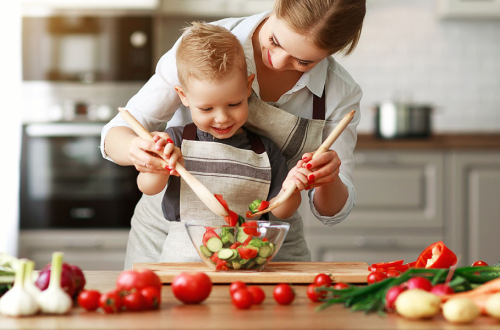
Professional chefs do not cook by following recipes line by line in their heads. Their thinking is fluid, layered, and constantly adjusting to what is happening in front of them. While the hands are moving, the mind is already a few steps ahead, anticipating changes in texture, flavor, and timing. Watching this way of thinking in action reshaped how I view cooking, because it revealed that great results come from decisions made moment by moment rather than strict instructions.
What separates professional thinking from casual cooking is not speed alone, but awareness. Chefs think in systems instead of isolated steps. Each action connects to what comes next, and nothing happens by accident. That mindset can be learned, even outside a restaurant kitchen, and it changes how food comes together in subtle but powerful ways.
Thinking in Outcomes Instead of Steps
Professional chefs focus on the final result rather than the individual steps listed in a recipe. Each action is chosen because of what it will produce, not because it was written somewhere. This outcome-based thinking allows flexibility without losing direction.
Instead of asking what comes next, chefs ask what the dish needs right now to reach the desired finish. That might mean adjusting heat, seasoning earlier, or changing timing entirely. The plan exists, but it is always open to revision.
This way of thinking prevents panic when things do not go exactly as expected. The goal stays clear, even if the path changes. That clarity creates confidence and control during cooking.
Constant Sensory Feedback
Chefs rely heavily on sensory information while cooking. Sound, smell, sight, and touch provide real-time feedback that guides decisions. These cues often matter more than clocks or measurements.
A pan sizzling too aggressively signals excess heat. A change in aroma tells when spices are blooming or when something is close to burning. Texture under a spoon reveals whether a sauce needs more time or more liquid.
This constant listening to the food keeps chefs present. Cooking becomes a conversation rather than a monologue. That attentiveness allows small corrections that prevent big mistakes.
Timing as a Moving Target
Professional chefs treat timing as flexible rather than fixed. Recipes might suggest minutes, but chefs watch the food instead of the clock. Time becomes a guide, not a rule.
Different ingredients behave differently based on size, freshness, and heat. Chefs account for these variables automatically. If something cooks faster or slower, the rest of the plan adjusts.
This thinking removes pressure. Instead of racing against a timer, chefs flow with the process. That adaptability keeps food from being overcooked or rushed.
Flavor Building in Layers
Chefs think about flavor as something built gradually. Seasoning is added in stages rather than all at once. Each layer supports the next.
Salt early brings out moisture and structure. Aromatics added at the right moment release fragrance without bitterness. Finishing touches sharpen and balance rather than overwhelm.
This layered thinking creates depth without heaviness. Flavors feel integrated instead of stacked. That cohesion is one of the hallmarks of professional cooking.
Anticipating Problems Before They Happen
Professional chefs are always looking ahead. While one component cooks, they are already considering what could go wrong next. This anticipation prevents errors rather than reacting to them.
A chef notices if a pan is heating unevenly or if a sauce is reducing too fast. Adjustments happen early, when they are easier to manage. Small corrections avoid large fixes.
This habit comes from experience, but it is also a mindset. Chefs expect variables and prepare for them mentally. That expectation reduces stress and keeps the process smooth.
Managing Multiple Elements at Once
Restaurant kitchens demand simultaneous attention to many tasks. Chefs train their minds to track several components without losing focus. This mental organization is deliberate and practiced.
Each element has a status in the chef’s mind. Some require immediate attention, others can wait. Priorities shift constantly based on what is happening.
This skill translates well to home cooking. Thinking in parallel rather than sequentially saves time and prevents last-minute chaos. The meal comes together more gracefully.
Respecting Ingredients as Individuals
Professional chefs treat ingredients as unique rather than interchangeable. They notice variations in moisture, ripeness, and structure. These details guide technique and timing.
A chef adjusts cooking based on how an ingredient behaves that day, not how it behaved last week. That respect allows the ingredient to shine instead of being forced into a rigid plan.
This thinking builds intuition. Ingredients stop feeling unpredictable and start feeling communicative. Cooking becomes responsive rather than controlling.
Simplicity as a Strategic Choice
Chefs value simplicity, not because complexity is difficult, but because restraint requires confidence. Each ingredient is included for a reason. Nothing is added just to impress.
This strategic simplicity allows flavors to remain clear. The brain experiences less confusion, and satisfaction increases. The dish feels intentional rather than busy.
Professional thinking asks whether something improves the dish or distracts from it. If it does not serve the outcome, it is left out. That discipline is learned over time.
Organization as Mental Space
Professional kitchens emphasize organization because it supports thinking. A clear workspace reduces cognitive load. Chefs know where everything is without searching.
This physical order mirrors mental order. When tools and ingredients are arranged logically, decisions happen faster. The mind stays on cooking rather than logistics.
Organization also supports calmness under pressure. When things get busy, structure holds everything together. That stability allows better judgment in fast-moving situations.
Adjusting Based on Context
Chefs adapt cooking based on who will eat the food and how it will be served. Context shapes decisions about seasoning, portion size, and presentation. There is no one-size-fits-all approach.
A dish meant for a tasting menu differs from one meant for family-style dining. Chefs adjust richness, intensity, and pacing accordingly. That awareness increases satisfaction.
This contextual thinking extends beyond flavor. Temperature, texture, and timing all shift based on circumstances. Cooking becomes situational rather than mechanical.
Trusting Muscle Memory
Professional chefs rely heavily on muscle memory. Repeated actions become automatic, freeing mental space for higher-level decisions. This efficiency is not rushed, but refined.
Chopping, stirring, flipping, and plating happen without conscious effort. That automation allows attention to stay on the bigger picture. The mind manages strategy while the body handles execution.
This separation of tasks improves consistency. When basics are automatic, errors decrease. Confidence grows because movements feel reliable.
Reading the Room Through the Food
Chefs often read feedback indirectly through how food is received. They notice what gets eaten first, what gets left behind, and how quickly plates return. This information informs future decisions.
That feedback loop shapes how chefs think during cooking. They anticipate preferences and adjust accordingly. Satisfaction becomes a shared goal rather than a personal one.
This awareness creates humility. Cooking stops being about ego and becomes about service. That shift sharpens judgment and improves results.
Balancing Precision and Intuition
Professional cooking blends precision with intuition. Measurements matter, but instinct guides adjustments. Chefs know when to trust numbers and when to trust senses.
Precision creates consistency. Intuition handles variation. Together, they form a flexible system that adapts without losing structure.
This balance prevents rigidity. Cooking remains creative without becoming chaotic. Decisions feel grounded rather than guess-based.
Thinking in Terms of Flow
Chefs think about the flow of a dish from start to finish. Each stage transitions smoothly into the next. Abrupt changes are avoided.
Flow applies to flavor, texture, and timing. A dish should evolve naturally on the plate. Each bite prepares for the next.
This thinking creates coherence. Meals feel complete rather than fragmented. The experience becomes more satisfying and memorable.
Managing Energy and Focus
Professional chefs are aware of their own energy levels. They pace themselves mentally and physically. Burnout leads to mistakes.
Short moments of reset happen throughout service. Deep breaths, quick checks, and small adjustments maintain focus. These habits support endurance.
This self-awareness influences cooking quality. Clear minds make better decisions. Food reflects the state of the cook more than most people realize.
Adapting Without Emotional Reaction
Chefs are trained to adjust without emotional attachment to plans. If something fails, it is corrected or replaced. Frustration wastes time.
This emotional neutrality allows clear thinking. Mistakes become data rather than drama. The dish continues moving toward completion.
That mindset reduces fear. Cooking becomes problem-solving rather than performance. Confidence grows through adaptability.
Seeing Cooking as a Series of Decisions
Professional chefs see cooking as a chain of decisions rather than a fixed process. Each choice affects the next. Awareness of this chain improves outcomes.
Small decisions add up. Heat adjustments, seasoning moments, and resting times shape the final dish. Nothing is too minor to matter.
This perspective empowers cooks. Control comes from attention, not perfection. Mastery feels attainable rather than mysterious.
Translating Professional Thinking to Home Cooking
Professional thinking is not limited to restaurant kitchens. The mindset applies anywhere food is prepared. Awareness, flexibility, and intention matter more than equipment.
Home cooking improves when decisions replace autopilot. Paying attention to feedback and adjusting accordingly makes a visible difference. Confidence grows through engagement.
The goal is not imitation, but adoption of principles. Thinking like a chef means staying present, responsive, and purposeful.
Final Thoughts
Professional chefs think while cooking because cooking demands constant decisions. Their mindset blends awareness, anticipation, and restraint. This way of thinking creates food that feels deliberate and balanced.
Adopting this perspective does not require formal training. It grows through attention and practice. Each meal becomes an opportunity to listen, adjust, and improve.
Cooking becomes less about following instructions and more about engaging with the process. That shift changes everything, from flavor to confidence. Thinking like a professional chef transforms cooking into a dynamic, rewarding craft rather than a rigid task.