Cooking feels completely different when the tools in my hands work with me instead of against me. Enjoyment in the kitchen doesn’t come from fancy gadgets or crowded drawers, but from tools that remove friction and let ideas flow freely. I’ve noticed that the right tools make time disappear, while the wrong ones make even simple meals feel like chores. That difference shapes how often I cook and how much joy I take from it.
Over time, I stopped paying attention to trends and started paying attention to how I felt while cooking. Some tools made me calmer, faster, and more confident. Others created frustration no matter how impressive they looked. Enjoyable cooking is less about collecting equipment and more about building a relationship with tools that feel natural and supportive.
Tools That Invite You Into the Process
Certain tools make me want to cook the moment I see them. They don’t intimidate or demand perfection. Instead, they quietly invite participation by feeling intuitive and approachable. That invitation matters more than most people realize.
A tool that welcomes use lowers mental resistance. I don’t hesitate or overthink before picking it up. That ease builds momentum, and momentum makes cooking feel playful instead of forced. Enjoyment often begins before the first ingredient is even touched.
The Comfort Factor That Changes Everything
Comfort is one of the most underrated qualities in kitchen tools. A handle that fits the hand well or a weight that feels balanced can completely change the cooking experience. Physical comfort reduces tension, and less tension leads to better focus.
When my hands aren’t fighting the tool, my attention stays on the food. Movements become smoother and more precise. Over time, comfort builds trust, and that trust turns routine cooking into something deeply satisfying.
Simple Knives That Encourage Confidence
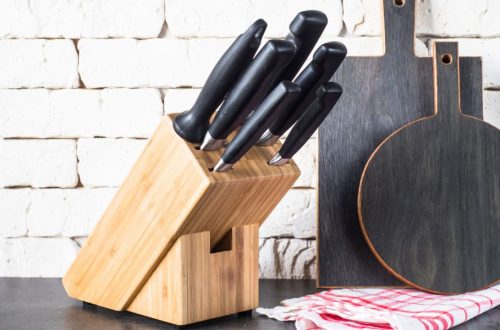
Knives are a perfect example of how simplicity improves enjoyment. A knife doesn’t need to be expensive or flashy to feel good in the hand. It needs to feel predictable, responsive, and comfortable.
A reliable knife builds confidence with every cut. That confidence encourages better technique and faster prep. Prep work stops feeling like a barrier and starts feeling like a rhythm, which makes the entire cooking process more enjoyable.
Cutting Boards That Feel Like Workspaces
A good cutting board creates a sense of place. It defines a workspace that feels stable and grounded. When a board stays put and offers enough space, it reduces mental clutter.
I enjoy cooking more when I’m not constantly adjusting or chasing ingredients around. A solid board lets me settle into the task. That stability creates calm, and calm makes cooking feel rewarding instead of rushed.
Pans That Respond Instead of Resist
Cookware that responds well to heat changes makes cooking feel interactive. When a pan reacts predictably, I feel in control of the outcome. That sense of control removes anxiety and replaces it with curiosity.
Enjoyment grows when I can adjust heat and immediately see results. Cooking becomes a conversation instead of a guessing game. Responsive pans turn mistakes into lessons instead of disappointments.
Tools That Reduce Cleanup Stress
Cleanup has a huge impact on enjoyment, even if it happens after the meal. Tools that clean easily remove a psychological barrier to cooking. Knowing cleanup won’t be a battle makes starting much easier.
I find myself cooking more often when I trust that cleanup will be manageable. Tools that rinse clean or wipe down quickly protect the positive feeling created during cooking. Enjoyment lasts longer when it doesn’t end in frustration at the sink.
Tools That Match Real Cooking Habits
Enjoyable tools fit how I actually cook, not how I imagine I might cook someday. Tools designed for idealized cooking routines often feel awkward in daily use. Practical tools respect time, space, and energy.
When tools match real habits, they disappear into the process. I stop thinking about the tool and focus entirely on the food. That disappearance is a sign of good design and genuine enjoyment.
The Power of Tools That Save Time Without Rushing
Time-saving tools can increase enjoyment when they reduce effort without creating pressure. The goal isn’t speed for its own sake, but efficiency that feels natural. Tools that quietly shave minutes off tasks make cooking feel lighter.
I appreciate tools that help me move smoothly from one step to the next. They don’t rush me or demand attention. They simply keep the process flowing, which makes cooking feel satisfying rather than exhausting.
Tools That Support Creativity Instead of Limiting It
Some tools expand possibilities instead of narrowing them. They encourage experimentation by being flexible and forgiving. Creative cooking thrives when tools don’t punish small mistakes.
Enjoyment increases when I feel free to try new ideas. Tools that adapt to different techniques support that freedom. Creativity feels safer and more exciting when tools act as partners instead of judges.
The Joy of Tools With Honest Design
Honest design focuses on function rather than decoration. These tools don’t pretend to be more than they are. Their purpose is clear, and their performance matches expectations.
I enjoy using tools that feel straightforward. They communicate through use rather than instruction manuals. That clarity removes friction and keeps my attention where it belongs.
Tools That Age Well With Use
Some tools become better with time. They develop character through use rather than wearing out. That aging process creates a sense of continuity and familiarity.
I enjoy cooking more with tools that show history. Scratches and wear marks remind me of meals cooked and skills learned. Tools that age gracefully feel like companions rather than disposable objects.
The Emotional Impact of Reliable Tools
Reliability creates emotional safety in the kitchen. When tools behave consistently, stress levels drop. I don’t worry about unexpected failures or adjustments.
That emotional safety makes cooking feel relaxing. Enjoyment grows when trust replaces doubt. Reliable tools support confidence, and confidence makes cooking deeply pleasurable.
Tools That Respect Small Kitchens
Not all kitchens have endless space. Tools that store easily or serve multiple purposes reduce clutter. Less clutter creates a calmer environment.
I enjoy cooking more in a space that feels open and manageable. Tools that respect space support that feeling. A calm kitchen encourages creativity and enjoyment.
Tools That Encourage Slower Moments
Some tools naturally slow the process in a good way. They invite attention and care rather than speed. Those moments add depth to the cooking experience.
I value tools that encourage presence. Slowing down helps me connect with the food. That connection transforms cooking from a task into a meaningful activity.
Tools That Remove Physical Strain
Physical strain quickly drains enjoyment. Tools that reduce effort protect energy and focus. That protection matters during longer cooking sessions.
I notice how much more enjoyable cooking becomes when my hands and arms don’t feel tired. Tools that minimize strain make cooking sustainable. Enjoyment lasts longer when the body feels supported.
The Role of Texture and Sound
Texture and sound influence enjoyment more than expected. A solid click, a smooth surface, or a quiet glide creates sensory satisfaction. Those small details add up.
I find joy in tools that feel good to touch and pleasant to hear. Sensory feedback reinforces positive feelings. Cooking becomes a multi-sensory experience instead of just a functional one.
Tools That Build Rhythm in the Kitchen
Rhythm transforms cooking into a flow state. Tools that move smoothly from one step to the next support that rhythm. Interruptions break momentum and reduce enjoyment.
I enjoy cooking most when actions feel connected. Tools that fit together logically help maintain flow. Rhythm makes time disappear and satisfaction grow.
The Psychology of Flavor: Why Some Meals Feel More Satisfying
Enjoyment in cooking directly affects how food tastes. Meals prepared with ease and confidence often feel more satisfying. Stress and frustration can dull flavor perception.
Tools that support enjoyment indirectly enhance flavor. Calm hands season better, time better, and adjust better. Satisfaction comes from both taste and the experience behind it.
Tools That Make You Want to Cook Again Tomorrow
The best tools create anticipation rather than fatigue. After using them, I look forward to the next meal instead of dreading it. That feeling keeps cooking sustainable.
Enjoyable tools don’t demand recovery time. They leave energy intact. Wanting to cook again is a clear sign that tools are doing their job well.
The Trap of Overcomplicated Gadgets
Overcomplicated tools often promise enjoyment but deliver stress. Too many parts or steps pull attention away from cooking itself. Complexity rarely adds joy.
I’ve learned that enjoyment comes from clarity. Tools that simplify tasks without adding layers improve the experience. Simplicity supports focus and pleasure.
Tools That Encourage Confidence Through Repetition
Repetition builds skill, and skill builds enjoyment. Tools that encourage frequent use accelerate that process. Each use reinforces familiarity and comfort.
I enjoy tools that become second nature. Muscle memory takes over, freeing mental space. Confidence grows quietly through repetition.
Tools That Support Personal Cooking Styles
Everyone cooks differently. Enjoyable tools align with individual rhythms and preferences. Tools that clash with personal style create friction.
I pay attention to which tools match how I move and think. Alignment makes cooking feel effortless. Personal fit matters more than universal praise.
Tools That Help Without Taking Over
The best tools assist without dominating. They don’t demand constant adjustment or attention. They quietly support the cook’s intentions.
I enjoy tools that stay in the background. They enhance control without stealing focus. Cooking remains a human-driven process.
How Enjoyment Changes Results
Enjoyment improves outcomes in subtle but real ways. Food cooked with patience and curiosity often tastes better. Mood influences decision-making throughout the process.
Tools that increase enjoyment indirectly improve meals. They support better timing, seasoning, and care. Results reflect the experience behind them.
Final Thoughts on Enjoyable Cooking Tools
Tools that actually make cooking more enjoyable share common traits. They are comfortable, reliable, simple, and honest. They fit real habits and support confidence.
Enjoyment in the kitchen grows from tools that respect the cook. The right tools don’t show off or complicate. They quietly turn cooking into something I want to do again and again.