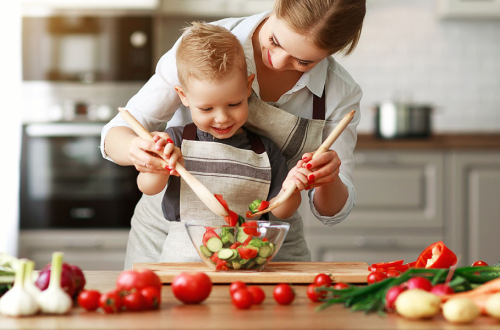

Cooking from scratch sounds noble, almost romantic, but it also carries a reputation for being slow, demanding, and impractical in a busy life. The idea often clashes with packed schedules, limited energy, and the convenience of ready-made foods. I have spent years moving back and forth between shortcuts and full scratch cooking, and that experience forced me to ask an honest question rather than an idealistic one. Is cooking from scratch actually worth the time it asks of us?
This question matters because time is one of the most valuable resources we have. Food is not optional, yet the way we prepare it can either add stress or bring a sense of control and satisfaction. Cooking from scratch sits right in the middle of that tension. The answer is not as simple as yes or no, and the reality depends on what time really means in the context of daily life.
What Cooking From Scratch Really Means
Cooking from scratch does not mean milling flour, churning butter, or growing every ingredient. For most home kitchens, it simply means starting with basic ingredients instead of pre-made or heavily processed foods. That distinction is important because expectations can distort the discussion before it even begins.
In my kitchen, cooking from scratch often looks like making a sauce instead of opening a jar, or cooking dried beans instead of using canned ones. It can also mean baking bread occasionally rather than relying entirely on store-bought loaves. These choices sit on a spectrum rather than at an extreme.
Seeing scratch cooking as flexible rather than rigid makes it easier to evaluate its value. It becomes less about perfection and more about intention. That shift alone changes how much time it actually takes and how it fits into everyday routines.
The Time Argument and Why It Feels Overwhelming
Time is the first objection most people raise, and for good reason. Scratch cooking usually takes longer than reheating or assembling packaged foods. Chopping vegetables, simmering sauces, and cleaning up afterward add minutes that feel expensive at the end of a long day.
What often gets overlooked is how uneven time pressure really is. Some days are genuinely packed, while others have small pockets that go unused. Cooking from scratch rarely requires constant attention, yet it gets framed as a single uninterrupted block of labor.
Once I started noticing passive cooking time, the argument shifted. Simmering, roasting, or baking often allows space for other tasks. The time investment is real, but it is not always as rigid or draining as it appears at first glance.
How Scratch Cooking Changes the Relationship With Food
Preparing food from its most basic components creates a different connection to what ends up on the plate. Ingredients stop being abstract and start feeling purposeful. Flavors make more sense because they are built step by step instead of arriving fully formed.
This connection changes how meals are experienced. Eating becomes slower and more intentional, even on ordinary days. That awareness often leads to smaller portions and greater satisfaction, which indirectly saves time later by reducing constant snacking or dissatisfaction.
The relationship shift also extends to planning. Meals feel less random and more grounded. That sense of control can reduce decision fatigue, which is a hidden time drain many people overlook.
The Skill Curve and Its Hidden Costs
Cooking from scratch does demand skills, and those skills take time to develop. Early attempts can feel inefficient, clumsy, and frustrating. Mistakes happen, and they cost both time and ingredients.
This learning phase is often where people give up. The assumption is that scratch cooking will always feel this slow. In reality, repetition changes everything, and the speed increases quietly over time.
Once basic techniques become automatic, scratch cooking can feel surprisingly efficient. Chopping speeds up, timing improves, and confidence reduces second-guessing. The initial time cost pays back gradually, even if that payoff is not immediate.
Cost Savings and the Time Trade-Off
Money and time are often weighed against each other, and scratch cooking sits right at that intersection. Basic ingredients usually cost less than pre-made alternatives, especially over time. The savings are subtle but consistent.
What complicates the picture is the mental calculation of value. Spending extra time to save a small amount of money does not always feel worthwhile. The decision depends on how much that time is valued and what it replaces.
For me, the cost savings only became meaningful when paired with quality. Paying less while eating better changed the equation. The time investment felt justified because it served more than one purpose at once.
Health Benefits That Are Hard to Quantify
Scratch cooking allows full control over ingredients, which naturally affects health. Less sugar, less salt, and fewer additives happen almost automatically without strict rules. Meals feel cleaner and more balanced without deliberate restriction.
The health impact is gradual rather than dramatic. Energy levels, digestion, and appetite regulation often improve subtly over time. These changes rarely feel urgent, which makes them easy to underestimate.
What matters is the long-term effect. Fewer health issues and more consistent energy can indirectly save time by reducing fatigue and dependence on convenience foods. That benefit does not show up on a clock, but it is real.
Mental Load and Decision Fatigue
Convenience foods promise simplicity, yet they often increase mental load in unexpected ways. Choosing between endless options, reading labels, and trying to balance nutrition adds invisible stress. Scratch cooking reduces that noise by narrowing choices.
Once a handful of go-to meals exist, decisions become easier. Ingredients repeat, techniques overlap, and planning feels lighter. That mental clarity saves time in ways that are easy to miss.
Cooking from scratch also creates rhythm. Regular patterns reduce friction, and routines shorten prep time. The kitchen becomes a familiar space rather than a battleground of choices.
The Cleanup Reality
Cleanup is a genuine downside of scratch cooking. More tools, more surfaces, and more dishes are involved. This part rarely gets romanticized, and for good reason.
What helped me was shifting how cleanup fits into the process. Cleaning as cooking happens spreads the workload and prevents buildup. That habit reduces the end-of-meal burden significantly.
Over time, efficiency improves here too. Familiarity with tools and sequences reduces mess. Cleanup remains part of the equation, but it stops feeling overwhelming.
Scratch Cooking on Busy Days
Not every day allows for full scratch cooking, and pretending otherwise sets unrealistic expectations. Busy days demand flexibility rather than ideals. The value of scratch cooking shows up most when it adapts to real schedules.
Batch cooking, partial prep, and simple meals make a difference. Cooking from scratch does not have to mean elaborate dishes every night. Sometimes it is as basic as roasting vegetables or cooking a pot of grains.
This adaptability is what makes scratch cooking sustainable. It becomes a tool rather than a rule. That mindset keeps it practical instead of burdensome.
Emotional Satisfaction and Confidence
There is a quiet confidence that comes from feeding oneself well using basic ingredients. That feeling is not loud or dramatic, but it is steady. It grows with repetition and familiarity.
Cooking from scratch builds trust in one’s own ability. That trust spills into other areas, including budgeting, planning, and problem-solving. The kitchen becomes a place of capability rather than stress.
This emotional return is difficult to measure, yet it strongly influences whether the time feels wasted or worthwhile. Satisfaction changes how time is perceived.
Comparing Scratch Cooking to Semi-Convenience
The discussion often frames scratch cooking as the opposite of convenience foods, but most kitchens live somewhere in between. Semi-convenience options like frozen vegetables, canned beans, or pre-cut produce blur the line.
Using these tools strategically preserves time while keeping most benefits of scratch cooking. The result is a hybrid approach that feels realistic rather than idealized.
This middle ground is where scratch cooking becomes accessible. Time investment stays manageable, and quality remains high. The question stops being all or nothing and becomes about balance.
Long-Term Impact on Habits
Scratch cooking shapes habits over time, not just meals. Grocery shopping becomes more intentional. Meal planning becomes simpler. Waste often decreases because ingredients are used more deliberately.
These changes reduce friction in daily life. Less last-minute scrambling and fewer impulse purchases save time indirectly. The kitchen supports routines instead of disrupting them.
The long-term effect matters more than individual meals. Consistency compounds, and the time invested early pays back later in smoother systems.
Is It Worth the Time?
The answer depends on what time is compared against. If scratch cooking replaces activities that drain energy without providing value, it often feels worthwhile. If it adds pressure to already overloaded days, it becomes a burden.
For me, scratch cooking earned its place because it served multiple goals at once. It improved food quality, reduced spending, and created a sense of stability. That combination made the time feel purposeful.
Worth is not universal. It shifts with seasons of life, energy levels, and priorities. Scratch cooking works best when it adapts rather than demands.
Final Thoughts
Cooking from scratch is not a moral standard or a productivity test. It is simply a way of preparing food that trades convenience for control. The time it requires is real, but so are the returns it offers beyond the clock.
The value becomes clear when scratch cooking aligns with real life rather than fighting it. Small habits, flexible rules, and realistic expectations make the difference. In that form, scratch cooking stops feeling like extra work and starts feeling like a practical investment.
Whether it is worth the time depends on how it fits into daily rhythms. For many kitchens, the answer is yes, not because it is faster, but because it makes the time spent around food more meaningful and sustainable.