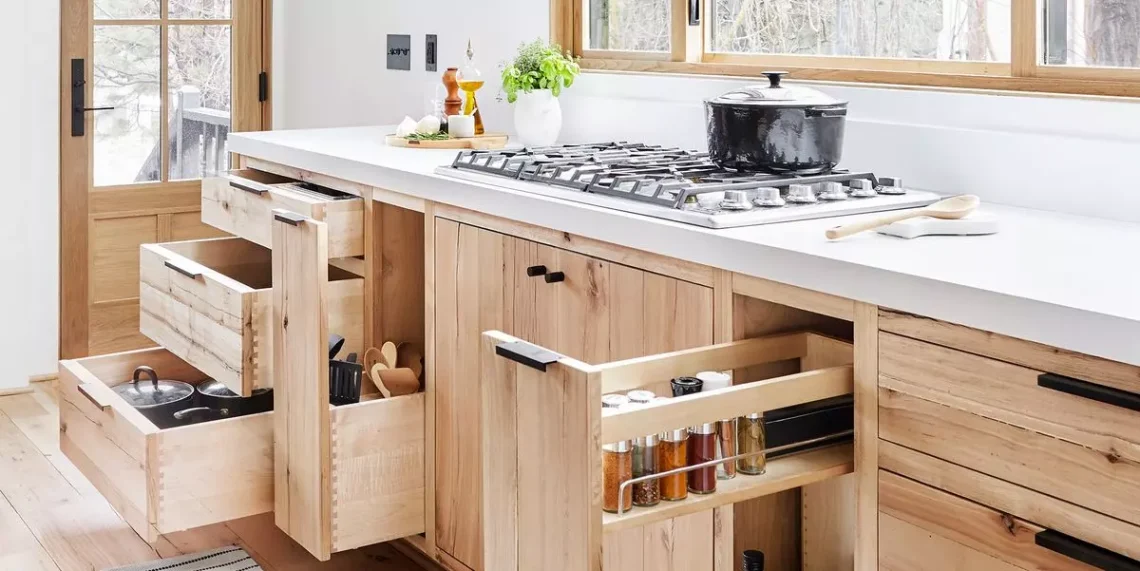
Cooking feels heavier when the kitchen is crowded. Too many tools, too many gadgets, and too many ingredients compete for attention before a meal even begins. I have noticed that clutter does not just take up physical space, it also occupies mental space. When the kitchen is full of excess, cooking becomes noisy, distracting, and oddly exhausting.
Reducing what lives in the kitchen changed how I cook more than any new appliance ever did. Fewer objects created clarity, and clarity brought confidence. Meals started coming together faster, mistakes became easier to correct, and the act of cooking felt calmer and more intentional. Less stuff did not limit creativity, it sharpened it.
Fewer Tools Create Stronger Skills
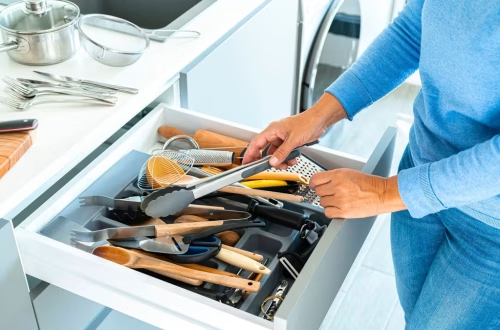
A drawer full of tools can create the illusion of preparedness while quietly weakening technique. When every task has a specialized gadget, the opportunity to develop skill with basic tools disappears. I have found that relying on a small set of versatile tools forces better habits and deeper familiarity.
Using the same knife, pan, or spoon repeatedly builds instinct. Movements become smoother because the tool feels like an extension of the hand. This familiarity improves speed, accuracy, and confidence.
Too many tools divide attention. A smaller set encourages mastery instead of dependency, which leads to better cooking over time.
Clear Counters Support Focus
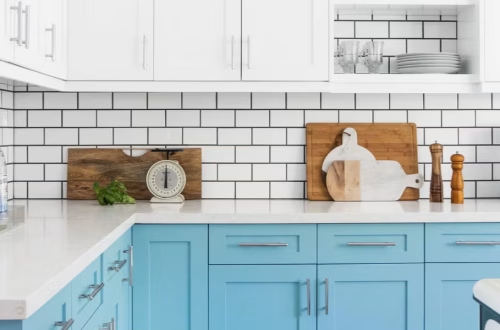
Counter space influences how the mind approaches cooking. A crowded counter signals chaos before prep even begins. I have noticed that when counters are clear, my attention stays on the food rather than the environment.
Open space invites movement. Chopping, mixing, and plating feel easier when there is room to work without shifting objects around. That flow supports creativity rather than interrupting it.
Less on the counter also means fewer distractions. Cooking becomes about the process instead of managing clutter.
Fewer Ingredients Encourage Better Planning
An overstuffed pantry can create indecision. Too many options slow down meal planning and increase waste. I have experienced how limiting ingredients encourages more thoughtful cooking.
With fewer items available, meals rely on technique and balance rather than excess. Flavors become intentional instead of accidental. This constraint sharpens creativity instead of restricting it.
Simplified ingredient lists also reduce stress. Planning meals becomes faster and shopping becomes more purposeful.
Reduced Clutter Speeds Up Cooking
Time is often lost not during cooking, but during searching. Digging through drawers, cabinets, and shelves steals momentum. I have found that fewer items make everything easier to find and faster to access.
When each tool has space around it, grabbing what is needed becomes automatic. Cooking moves forward without pauses or frustration. This efficiency compounds over the course of a week.
Speed does not come from rushing. It comes from removing obstacles, and excess is one of the biggest obstacles in the kitchen.
Fewer Gadgets Mean Fewer Decisions
Every gadget demands a decision. Should it be used, cleaned, stored, or ignored. Too many decisions drain energy before cooking even begins.
Reducing gadgets simplifies choices. When only a few trusted tools are available, decisions disappear. The focus stays on the recipe and technique rather than equipment.
This mental simplicity makes cooking more enjoyable. Less decision fatigue leaves more room for creativity and satisfaction.
Simplified Storage Improves Workflow
Storage becomes more functional when it holds fewer items. Cabinets open smoothly, drawers close easily, and shelves stay visible. I have noticed that storage systems work best when they are not overfilled.
With fewer items, everything has a clear home. Returning tools after use feels effortless. This reinforces good habits without conscious effort.
Workflow improves when storage supports movement instead of resisting it. Less stuff allows storage to work as intended.
Less Stuff Reduces Cleanup Time
Cleanup often determines whether cooking feels rewarding or draining. Excess tools and dishes multiply cleanup tasks. I have seen how fewer items directly shorten cleanup time.
When cooking uses fewer tools, washing up becomes manageable. This reduces resistance to cooking again the next day. A cleaner kitchen encourages consistency.
Less cleanup also means less lingering mess. The kitchen resets quickly, staying ready for the next meal.
Fewer Appliances Preserve Counter Space
Appliances tend to dominate kitchens quietly. Each one claims space even when rarely used. I have learned that rotating or removing appliances restores valuable work surfaces.
With fewer appliances out, counters regain their purpose. Prep becomes easier and safer. The kitchen feels larger without any renovation.
Appliances still have value, but not all of them need to live in permanent view. Space matters more than convenience when convenience creates clutter.
Minimalism Encourages Intentional Cooking
Cooking with less encourages intention. Each step feels deliberate because resources are limited. I have noticed that meals become more thoughtful when the kitchen is not overloaded.
Intentional cooking improves flavor. Instead of masking mistakes with extra ingredients or tools, technique becomes the focus. This leads to more consistent results.
Less stuff invites mindfulness. Cooking becomes a craft rather than a task.
Reduced Clutter Builds Confidence
A cluttered kitchen can make cooking feel overwhelming. Too many objects signal complexity and difficulty. I have experienced how a simplified kitchen builds confidence almost immediately.
When the environment feels manageable, cooking feels achievable. Confidence grows with each successful meal. This positive feedback encourages experimentation.
Confidence thrives in clarity. Removing excess clears the path for growth.
Fewer Options Highlight Quality
Quantity often hides quality. When surrounded by many tools and ingredients, it becomes easy to settle for mediocre ones. I have found that reducing quantity highlights what truly performs well.
Fewer items invite investment in better versions. A single good pan outperforms multiple mediocre ones. This improves results without adding complexity.
Quality stands out when it is not buried under excess. Cooking benefits from this focus.
Less Stuff Makes Mistakes Easier to Fix
Mistakes are part of cooking. In a crowded kitchen, mistakes escalate quickly. Limited space and clutter make adjustments harder.
With fewer items around, responding to mistakes feels calmer. There is room to pivot, correct, and recover. This reduces panic and frustration.
Mistakes become learning moments rather than disasters. A simplified kitchen supports resilience.
Simplified Kitchens Support Consistency
Consistency matters more than perfection in cooking. A kitchen overloaded with options encourages inconsistency. I have noticed that fewer tools and ingredients lead to more reliable outcomes.
Using the same equipment repeatedly builds rhythm. Recipes become familiar. Results stabilize over time.
Consistency builds trust in the process. Trust encourages more frequent cooking.
Less Stuff Encourages Clean Habits
Clutter invites neglect. When the kitchen is full, cleaning feels endless. I have found that fewer items make cleaning feel achievable.
Clean habits form naturally when the workload is light. Wiping surfaces and putting tools away becomes routine. This maintains order without effort.
A clean kitchen supports better cooking. Hygiene, focus, and comfort improve together.
Reduced Visual Noise Improves Creativity
Visual noise distracts the brain. Too many colors, shapes, and objects compete for attention. I have experienced how a visually calm kitchen improves creative thinking.
When the environment is quiet, ideas surface more easily. Flavor combinations and techniques come into focus. Creativity thrives in simplicity.
Less visual clutter allows the food to take center stage. Cooking becomes more expressive.
Fewer Items Strengthen Kitchen Identity
A kitchen reflects how someone cooks. Too much stuff blurs that identity. I have noticed that simplifying reveals personal cooking style.
Tools and ingredients begin to align with preferences rather than trends. The kitchen becomes personal rather than aspirational. This authenticity improves enjoyment.
Cooking feels more grounded when the kitchen reflects real habits. Less stuff supports that alignment.
Simplification Reduces Waste
Excess often leads to waste. Forgotten ingredients expire and unused tools gather dust. I have seen how reducing inventory reduces waste naturally.
Fewer ingredients mean better rotation. Fewer tools mean more frequent use. Waste decreases without strict rules.
Efficiency improves when the kitchen holds only what gets used. Sustainability becomes a side effect rather than a goal.
Letting Go Strengthens Decision-Making
Removing items requires decision-making. That practice sharpens judgment. I have found that letting go improves clarity about what truly matters in cooking.
Each removal reinforces values. Practicality replaces impulse. This discipline carries into shopping and meal planning.
Better decisions lead to better kitchens. Better kitchens lead to better cooking.
Less Stuff Creates a Sense of Ease
Ease matters in cooking. A kitchen should feel inviting, not demanding. I have experienced how simplicity creates a sense of ease that encourages regular cooking.
Movement becomes smoother. Cleanup becomes lighter. Planning becomes faster. Everything feels less heavy.
Ease supports sustainability. Cooking becomes a habit rather than an effort.
Final Thoughts
Less stuff in the kitchen does not mean less capability. It means fewer obstacles between intention and execution. By removing excess, cooking becomes clearer, calmer, and more satisfying.
I have learned that better cooking often begins with subtraction rather than addition. A simplified kitchen supports skill, focus, and enjoyment. When the space works with you instead of against you, cooking becomes something you look forward to every day.