Cooking rewards commitment in ways that few everyday skills can match. It shapes how I eat, how I spend my time, and how I take care of myself and others. The value of cooking shows up gradually, not as a sudden transformation but as a steady improvement in daily life. Each meal prepared builds confidence, awareness, and a sense of capability that extends far beyond the kitchen.
Unlike many skills that remain confined to a specific setting, cooking follows me everywhere. It influences my health, my budget, my routines, and my relationships. The effort invested pays back repeatedly, sometimes in obvious ways and sometimes quietly. Over time, cooking stops feeling optional and starts feeling foundational.
Cooking matters because it combines practicality with creativity and discipline with freedom. It is a skill that grows with use and adapts to different stages of life. Investing in it is not about perfection, but about building something reliable that supports everyday living.
A Skill That Improves Daily Life
Cooking improves daily life by turning necessity into agency. Instead of relying on convenience or default options, I decide what goes on my plate. That sense of control changes how meals fit into the day. Food becomes intentional rather than reactive.
Daily cooking encourages better planning and rhythm. Meals stop being last-minute problems and start becoming anticipated pauses in the day. This shift reduces stress around eating and creates a predictable structure. Over time, that structure supports consistency and balance.
The cumulative effect of cooking daily is significant. Small decisions add up to better habits and greater satisfaction. The skill proves its worth not through grand meals, but through reliable everyday nourishment.
Confidence Built Through Repetition
Cooking builds confidence through repetition rather than theory. Each time I cook, I reinforce what I already know and learn something new. Mistakes become information rather than failures. That mindset carries over into other areas of life.
Confidence in the kitchen grows quietly. Techniques become familiar, timing improves, and instincts develop. The fear of ruining a meal fades as experience replaces uncertainty. Cooking becomes something I trust myself to handle.
This confidence is practical and grounded. It is not about impressing others, but about knowing I can feed myself well. That assurance creates independence and resilience that extend beyond cooking itself.
Long-Term Value Over Short-Term Convenience
Convenience often promises immediate relief, but cooking offers lasting value. Preparing meals takes time, but that time compounds into skill and awareness. Each meal cooked strengthens ability rather than outsourcing it. The return on effort increases with consistency.
Short-term convenience rarely teaches anything. Cooking, on the other hand, builds knowledge with every repetition. Ingredients become familiar, techniques become second nature, and problem-solving improves. Over time, effort decreases while results improve.
Investing in cooking shifts focus from speed to sustainability. Meals become less about urgency and more about quality. That shift supports a healthier relationship with food and time.
Financial Awareness and Control
Cooking brings financial clarity that is hard to achieve otherwise. Preparing meals at home makes costs visible and manageable. I see exactly where money goes and how choices affect spending. This awareness leads to better decisions without strict rules.
Budgeting through cooking does not feel restrictive. It feels empowering because it offers flexibility. Ingredients can be adjusted, portions controlled, and leftovers reused. The skill allows adaptation without sacrificing satisfaction.
Over time, cooking reduces waste and unnecessary spending. Money saved becomes another return on investment. The financial benefits reinforce the value of continuing to cook rather than relying on external options.
Health Shaped by Daily Choices
Cooking directly shapes health through daily decisions rather than abstract goals. I decide how food is prepared, how much seasoning is used, and how portions are balanced. These choices happen naturally when cooking becomes routine. Health improves through consistency rather than extremes.
Home cooking supports awareness of ingredients and preparation methods. This awareness encourages moderation and balance. Meals become nourishing without feeling restrictive. The focus stays on enjoyment rather than deprivation.
The health benefits of cooking accumulate slowly. Energy levels stabilize, digestion improves, and satisfaction increases. These changes reinforce the habit, making cooking feel worthwhile rather than obligatory.
Adaptability Across Life Stages
Cooking adapts easily to changing circumstances. Busy periods, quiet phases, and major life transitions all influence how meals are prepared. The skill remains relevant because it adjusts to available time and energy. Cooking never demands a fixed approach.
At different stages of life, cooking serves different purposes. It might be about efficiency at one point and creativity at another. The same skill supports both needs. This adaptability keeps cooking valuable over time.
Because cooking evolves with circumstances, it never becomes obsolete. It grows alongside experience and changing priorities. That flexibility makes it a lasting investment rather than a temporary interest.
Emotional Resilience Through Routine
Cooking supports emotional resilience by providing structure and focus. Familiar tasks offer grounding during stressful periods. The act of preparing a meal creates a sense of progress and care. These small moments help regulate mood and attention.
Routine cooking introduces predictability into unpredictable days. Knowing that a meal will be prepared creates a reassuring anchor. This consistency helps manage stress without requiring conscious effort. The kitchen becomes a place of steady rhythm.
Emotional benefits strengthen the value of cooking over time. It becomes associated with calm and reliability. This association makes returning to the kitchen feel supportive rather than demanding.
Creativity Within Practical Limits
Cooking allows creativity within clear boundaries. Ingredients set the framework, but interpretation remains flexible. I can adjust flavors, textures, and techniques without starting from scratch. This balance encourages experimentation without overwhelm.
Creative expression in cooking feels accessible. There is room to try new ideas without high stakes. Even imperfect results usually remain edible and informative. This forgiving nature supports ongoing curiosity.
Over time, creativity becomes part of routine cooking. Meals reflect personal taste and intuition. The kitchen becomes a place where expression fits naturally into daily life.
Skill Transfer Beyond the Kitchen
Skills developed through cooking extend into other areas of life. Planning meals improves organization and foresight. Timing dishes strengthens patience and coordination. These abilities translate seamlessly into everyday tasks.
Cooking also reinforces problem-solving. Adjusting recipes, managing limited ingredients, and responding to unexpected outcomes require flexibility. These moments build confidence in handling uncertainty. The mindset carries over into non-culinary challenges.
The transferability of cooking skills increases their value. Time invested benefits multiple aspects of life. This broad impact makes cooking a practical and efficient skill to develop.
Connection and Self-Reliance
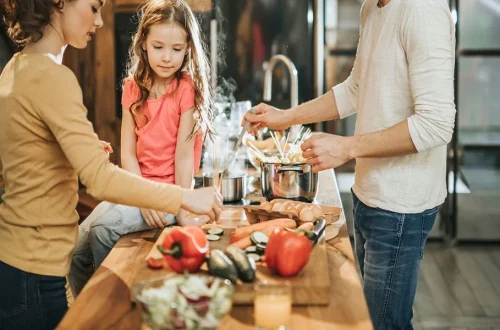
Cooking supports connection without sacrificing self-reliance. Preparing meals for others fosters generosity and care. Sharing food creates opportunities for meaningful interaction. These moments strengthen relationships naturally.
At the same time, cooking builds independence. Knowing how to feed myself well reduces reliance on external systems. This balance between connection and autonomy enhances overall confidence. Cooking supports both personal and social well-being.
The dual role of cooking deepens its value. It allows engagement with others while maintaining self-sufficiency. Few skills offer this combination so consistently.
Growth Without a Finish Line
Cooking offers ongoing growth without a final endpoint. There is always another technique to refine or flavor to explore. Progress remains open-ended and personal. This makes the skill engaging over a lifetime.
The absence of a finish line removes pressure. Improvement happens naturally through use rather than benchmarks. Satisfaction comes from competence rather than comparison. This approach keeps motivation steady.
Because cooking grows with experience, it never becomes stagnant. The skill stays relevant and interesting. Investing in it continues to pay off without requiring reinvention.
Time Well Spent
Time spent cooking often feels different from time spent consuming. Preparing food engages attention and intention. Even short cooking sessions create a sense of presence. This quality makes the time feel worthwhile.
Cooking integrates seamlessly into daily schedules. It does not require special conditions or extended blocks of time. Meals can be simple or elaborate depending on circumstances. The skill accommodates both.
Over time, cooking reframes how time is valued. It becomes an activity that contributes rather than detracts. This reframing strengthens commitment to the practice.
Final Thoughts
Cooking is a skill worth investing in because it supports daily life on multiple levels. It improves confidence, health, financial awareness, and emotional stability through consistent practice. The benefits accumulate quietly, reinforcing the habit without demanding perfection.
The value of cooking lies in its adaptability and reach. It grows alongside changing needs and priorities, remaining useful through every stage of life. Few skills offer such reliable and lasting returns.
Investing in cooking is ultimately an investment in self-sufficiency and care. It builds a foundation that supports both independence and connection. That foundation makes the effort worthwhile every single day.