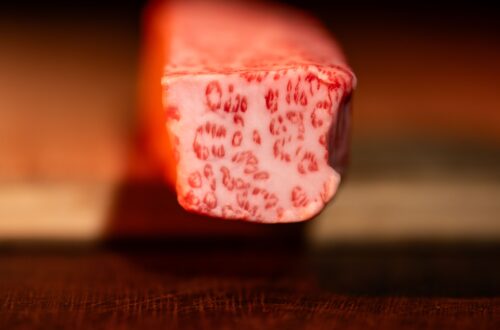
Of all the cuts sitting in a butcher’s case, wagyu is the one that makes people nervous. They’ve spent real money. They’ve read a dozen articles. They stand at the stove, trying to remember everything they know about heat, fat, and timing, and then they second-guess it all. The result, more often than not, is a gorgeous piece of beef that doesn’t quite live up to what it cost.
The problem isn’t the beef. It’s that wagyu behaves differently from every other steak most home cooks have ever made, and treating it the same way leads to the same predictable disappointments. The fat-to-muscle ratio is unlike anything in conventional beef, which means the rules change. Temperature, resting time, seasoning, even the pan you choose all of it lands differently here.
These are the mistakes that come up again and again, along with what to do instead.
Cooking It Straight From the Fridge
Cold meat and high heat are a bad combination no matter the cut, but with wagyu the problem is magnified. Because wagyu contains so much intramuscular fat, the marbling that makes it worth buying in the first place- going from refrigerator temperature directly to a hot pan means the exterior overcooks before the center has a chance to warm through. The fat doesn’t render evenly, and you lose the silky texture that defines the experience.
Pull wagyu from the refrigerator at least 30 to 45 minutes before cooking. Let it rest on a wire rack at room temperature so air can circulate. This isn’t optional. It’s the step that separates a steak that eats beautifully from one that doesn’t.
Using Too High a Heat
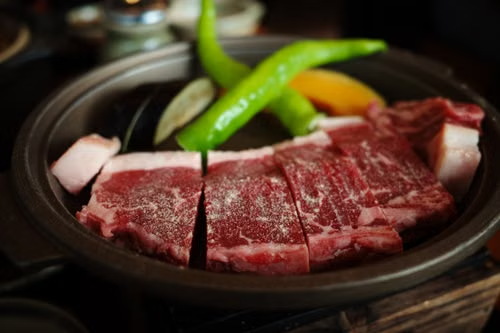
This one surprises people, because the conventional steak wisdom is to go as hot as possible screaming-hot cast iron, maximum burner, aggressive sear. With most steaks, that logic holds. With wagyu, it creates problems.
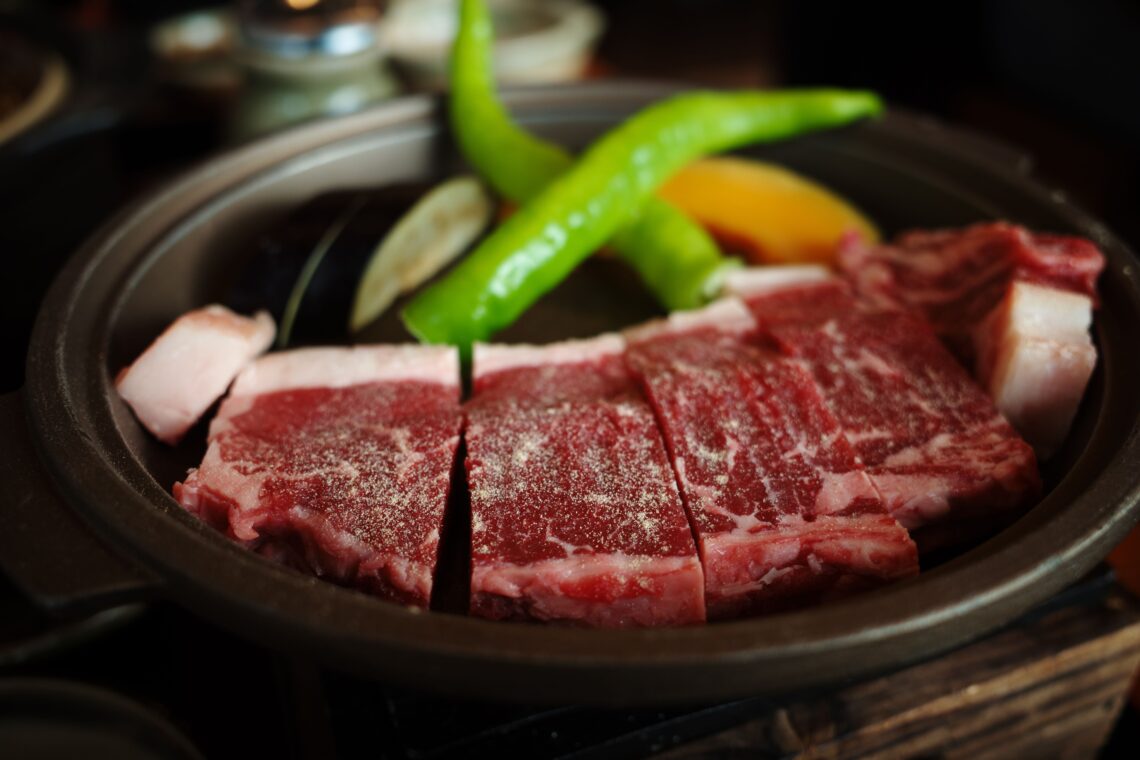
The fat in highly marbled beef renders at a lower temperature than most cooks expect. Hit it with too much heat and the fat runs out of the steak before it has a chance to baste the meat from the inside. What’s left is a drier, less rich result, which is exactly the opposite of what you’re after. Medium-high heat gives the fat time to melt through the muscle and do its job. A cast iron pan is still a good choice, but bring it to temperature gradually and don’t max out the burner.
Wagyu has a flavor that speaks for itself. Salt is still necessary; it draws out and amplifies what’s already there, but heavy spice rubs, herb crusts, or anything that competes with the beef is working against you. A generous application of flaky sea salt and a little black pepper is, in almost every case, the right call. Put the seasoning on right before the pan, not an hour ahead, to keep moisture at the surface from interfering with the sear.
Pull wagyu at the temperature you want to serve it,t and it will be overcooked by the time it reaches the plate. Carryover cooking is real with every steak, but with a cut this rich it matters even more, because the difference between medium-rare and medium is the difference between the steak you paid for and one that’s still good but not what it was supposed to be.
For most wagyu cuts, pull from the heat when the internal temperature reads 5 to 10 degrees below your target. The residual heat in the pan and the meat itself will carry it the rest of the way during the rest. An instant-read thermometer is not optional here. Guessing by feel is a skill that takes years to develop, and this is not the steak to practice on.
Skipping the Rest
And here’s the part most people rush past:t, the rest. After wagyu comes off the heat, it needs time. Not a long time. Two to three minutes for a thinner cut, four to five for something thicker. During that window, the juices redistribute through the muscle fibers rather than running straight out when you cut in. Skip the rest and the first slice releases a pool of liquid onto the cutting board. The steak is drier for it.
Tent the steak loosely with foil. Don’t wrap it tight; that traps steam and softens the crust you worked to build. Just a gentle tent, off the heat, undisturbed.
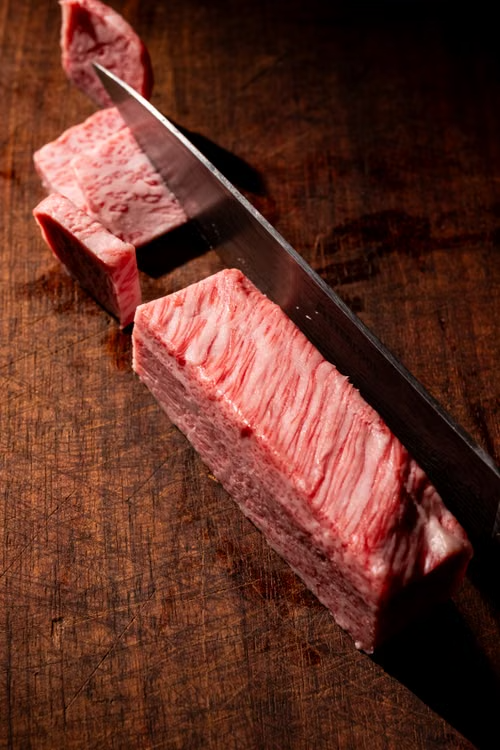
Wagyu is tender, but that doesn’t mean the direction of the cut doesn’t matter. Always slice against the grain, meaning perpendicular to the direction the muscle fibers run. With highly marbled beef, this is especially important because the fat has softened the texture throughout, and cutting with the grain gives you longer, chewier muscle strands that work against the melt-in-the-mouth quality you’re going for.
On most wagyu cuts, the grain is visible. Look at the surface of the steak before you cut. The fibers run in a clear direction. Go the other way.
Using the Wrong Pan
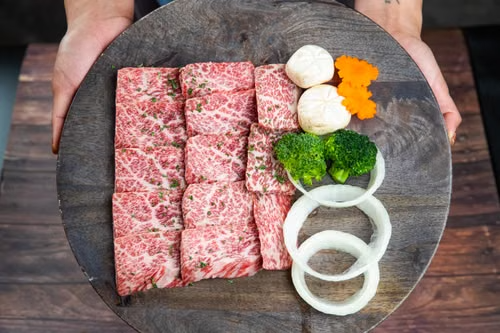
Non-stick pans are useful for eggs and delicate fish. They are not useful for wagyu. The coating can’t handle the temperatures needed for a proper sear, and the steak ends up steaming rather than browning, which means no Maillard reaction, no crust, and no depth of flavor to balance all that richness.
Cast iron is the standard choice, and it earns that reputation. Carbon steel works equally well and heats more evenly for some cooks. Stainless steel is a good option if you understand how to manage sticking. What all three have in common is that they can hold and transfer high heat without breaking down.
Wagyu is rich. Genuinely, almost aggressively rich, in a way that standard beef is not. A four-to-six-ounce portion is often enough, sometimes more than enough, where eight or twelve ounces of a conventional cut would feel appropriate. Treating wagyu like a regular-portion steak leads to palate fatigue somewhere in the middle of the plate. Smaller portions served simply, maybe alongside something bright and acidic to cut through the fat, is the way most butchers and serious cooks actually eat it at home.
The beef is forgiving in some ways; it’s hard to make wagyu taste bad, but it rewards care. Get the temperature, the rest, and the cut right, and the difference is immediate and obvious. The fat melts where it belongs, the crust holds, and the whole thing eats the way it was supposed to.
If you’ve been cooking wagyu the same way you cook a supermarket ribeye and wondering why it’s not quite living up to the price tag, now you know where to start.
Sources
Background on Maillard reaction, carryover cooking, and resting technique for high-fat beef cuts
Guidance on heat management, portioning, and technique for wagyu at home
This article was created with AI assistance and reviewed for clarity and accuracy.