A cleaner kitchen rarely comes from scrubbing harder or buying stronger cleaners. It comes from how the space is set up and how daily habits quietly support or sabotage cleanliness. I have spent years cooking in kitchens of all sizes, and the difference between a messy one and a calm one has never been effort. The real difference has always been design, flow, and a few decisions that make mess inconvenient instead of inevitable.
Most kitchens feel chaotic because they fight the way cooking actually works. Surfaces fill up, drawers become junk zones, and spills seem unavoidable, even during simple meals. Over time, the kitchen starts to feel like a place that constantly needs fixing rather than a space that supports cooking. The secret to a cleaner kitchen is removing friction so mess never has time to settle in.
Cleanliness Starts With How You Move
Cooking is physical, repetitive, and fast-paced, even during relaxed meals. A kitchen that stays clean supports natural movement instead of interrupting it. When tools, ingredients, and waste are positioned logically, cleanup happens without conscious effort. I notice that in well-organized kitchens, mess gets dealt with immediately because it feels easier to clean than to ignore.
Poor layouts create micro-delays that add up. If the trash is far from the prep area, scraps pile up on the counter. If cleaning supplies are stored away from the sink, spills linger longer than they should. A clean kitchen is not about discipline but about reducing the number of steps between making a mess and removing it.
When movement feels smooth, cleaning becomes part of the cooking rhythm. I wipe, rinse, and reset surfaces naturally because nothing stands in my way. That rhythm matters more than any cleaning schedule.
Fewer Items Mean Fewer Messes
Clutter creates dirt before dirt even appears. Every extra object on the counter becomes a magnet for crumbs, grease, and dust. I have learned that the fastest way to make a kitchen cleaner is not by cleaning more often but by owning fewer visible items.
When counters are crowded, wiping them feels like a project. When they are mostly clear, a quick swipe takes seconds. The same rule applies to drawers and cabinets. Overstuffed storage causes items to spill out, get lost, and collect grime in corners that are hard to reach.
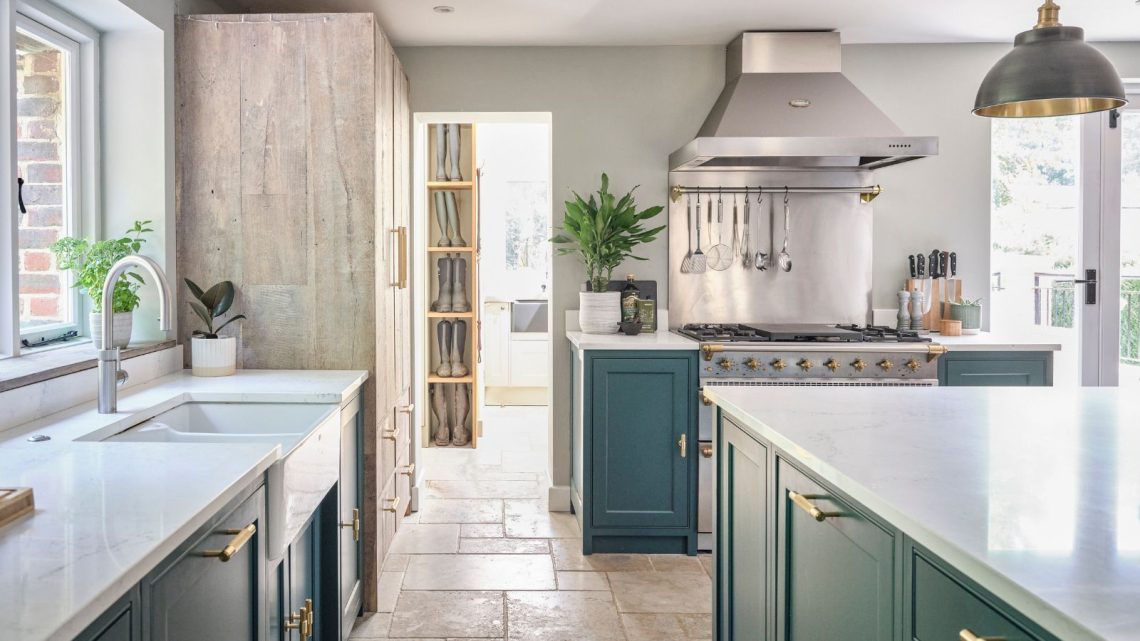
A clean kitchen benefits from restraint. Tools that earn their place stay accessible, while rarely used items belong elsewhere. Less visual noise makes mess stand out immediately, which makes it easier to address before it grows.
Surfaces Decide Everything
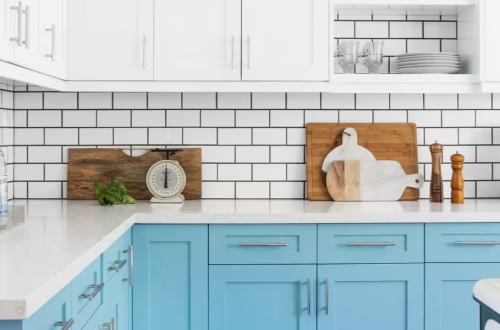
The condition of countertops, sinks, and stovetops determines how clean a kitchen feels day to day. Smooth, uninterrupted surfaces are easier to wipe and harder for dirt to cling to. I find that when surfaces are respected as work zones rather than storage, cleanliness improves automatically.
Using countertops as long-term storage invites buildup. Oils settle, dust sticks, and spills spread across objects instead of being wiped away. When surfaces remain clear between tasks, cleaning becomes instinctive rather than reactive. I clean as I go because there is space to do so.
The sink plays a similar role. An empty sink signals control and order, while a full one encourages avoidance. Keeping the sink usable at all times changes how mess is handled across the entire kitchen.
Storage That Encourages Immediate Cleanup
Storage placement influences behavior more than most people realize. If putting something away takes effort, it will be left out. I have noticed that the cleanest kitchens are the ones where storage feels obvious and forgiving.
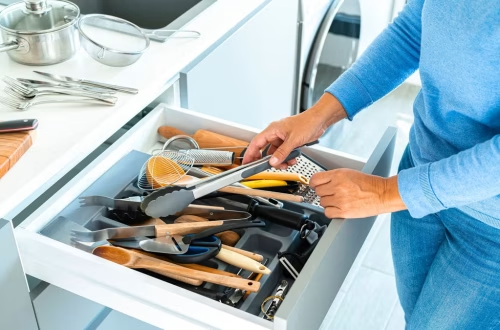
Drawers that open smoothly, cabinets that are not overfilled, and shelves that allow quick access all support faster cleanup. When returning an item to its place feels satisfying, clutter disappears faster. Poor storage creates hesitation, and hesitation creates piles.
Open shelving can help or hurt depending on discipline. I find that open shelves work best for items used daily and cleaned frequently. Anything that requires occasional cleaning tends to gather dust if left exposed.
The Role of Waste Management
Trash, recycling, and compost shape kitchen cleanliness more than cleaning products ever will. When waste systems are inconvenient, mess spreads. Scraps linger, packaging piles up, and cleanup becomes delayed.
Placing waste bins close to prep areas reduces the urge to set things down temporarily. I have learned that temporary piles quickly become permanent ones. A well-placed trash bin removes the excuse to wait.
Liners, lids, and bin sizes also matter. When bins are easy to empty and do not overflow, they get used properly. A kitchen stays cleaner when waste leaves the space quickly and predictably.
Cleaning Tools That Are Easy to Grab
Cleaning tools should live where mess happens, not where they look neat. I keep cloths, sprays, and brushes within arm’s reach of sinks and prep zones. This single change reduces how long spills and splatters remain.
If I have to walk to another room to grab a cloth, the mess waits. That delay makes cleaning feel like a chore instead of a reflex. Immediate access turns cleaning into a small, almost invisible action.
The tools themselves matter less than their accessibility. Simple, durable tools used often keep a kitchen cleaner than fancy products hidden away.
Habits Built Into the Layout
A kitchen can train its user. When drawers guide hands naturally and stations are clearly defined, habits form without conscious effort. I find myself cleaning as I cook simply because the space encourages it.
Prep areas near sinks invite rinsing boards and knives immediately. Stovetops with nearby resting spots for utensils reduce splatter. Thoughtful spacing prevents mess from spreading across the room.
A good layout removes decision-making. Instead of asking where something should go or when to clean, the answer feels obvious. That clarity reduces stress and keeps the kitchen consistently clean.
Why Deep Cleaning Feels Less Necessary
In a well-designed kitchen, deep cleaning becomes rare rather than routine. Small messes never have time to harden, spread, or hide. I notice that when daily cleaning is effortless, there is less need for long cleaning sessions.
Grime builds up when small actions are delayed repeatedly. By removing barriers to immediate cleanup, buildup never gets the chance to form. This changes how the kitchen feels over weeks and months.
A kitchen that stays lightly maintained feels welcoming rather than demanding. Cooking becomes enjoyable because the space feels supportive instead of overwhelming.
Emotional Impact of a Clean Kitchen
A clean kitchen affects mood more than most rooms in the house. Cooking in a tidy space reduces mental clutter and decision fatigue. I feel more creative and relaxed when surfaces are clear and tools are in place.
Mess creates low-level stress that builds over time. Even when ignored, it occupies mental space. A cleaner kitchen removes that background noise and allows focus to stay on food rather than cleanup.
This emotional benefit reinforces good habits. When the kitchen feels good to be in, maintaining it stops feeling like work.
Maintenance Without Motivation
Motivation fades quickly, but systems last. The secret to a cleaner kitchen is designing systems that function even on tired days. I rely on layouts and habits rather than willpower.
When everything has a place and that place makes sense, maintenance happens automatically. The kitchen stays clean not because of discipline but because disorder feels inconvenient.
This approach removes guilt from cleanliness. Instead of blaming myself for mess, I adjust the environment to prevent it.
Final Thoughts
A cleaner kitchen does not require stricter routines or more effort. It requires fewer obstacles between making a mess and removing it. By focusing on layout, storage, and accessibility, cleanliness becomes a natural byproduct of cooking rather than a separate task.
I have learned that the most powerful changes are subtle ones. Clear surfaces, smart storage, and easy access to cleaning tools quietly reshape behavior. The kitchen stays cleaner because it is designed to support real life, not fight it.
When effort decreases, consistency increases. That is the real secret to a kitchen that stays clean without demanding more from the person using it.