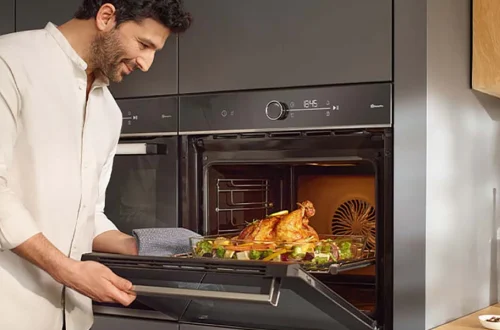

The kitchen sits at the center of modern homes in a way that goes far beyond food preparation. It shapes daily routines, influences how people interact, and quietly reflects how life inside the home actually works. I see the kitchen as the most honest room in any house because it reveals habits, priorities, and rhythms without needing explanation. What happens in this space often defines how a home feels as a whole.
Modern homes no longer treat the kitchen as a hidden or purely functional area. It has moved forward, both physically and emotionally, into the core of daily living. Walls have come down, layouts have opened up, and the kitchen has become visible and active at nearly all hours. This shift mirrors how home life itself has changed, becoming more fluid, shared, and integrated.
The role of the kitchen today is layered and complex. It is a place for cooking, but also for conversation, work, rest, and connection. Its importance comes not from design trends alone, but from how deeply it is woven into everyday life.
A Space That Reflects Daily Life
The kitchen reflects how people actually live rather than how they present themselves. Shoes get kicked off near the door, mail piles up on counters, and groceries are unpacked while conversations unfold. I notice that the kitchen shows the pace of a household more clearly than any other room. A busy kitchen feels different from a quiet one, even without anyone saying a word.
Morning routines often begin in the kitchen, setting the tone for the day. Coffee brewing, breakfast preparation, and quick check-ins happen almost automatically. These moments may seem small, but they anchor the day in familiarity. The kitchen provides a sense of continuity that carries through changing schedules and responsibilities.
In the evening, the kitchen becomes a place of return. People drift back into it after work, school, or errands, drawn by hunger and habit. This daily cycle reinforces the kitchen’s role as a constant, reliable presence in modern homes.
From Back Room to Center Stage
The physical placement of the kitchen has changed dramatically over time. Once tucked away, it now often occupies a central position within the home. Open layouts have made kitchens visible from living and dining areas, blending spaces that were once separate. This change reflects a broader shift toward shared living rather than segmented rooms.
I find that this openness changes how people use the kitchen. Cooking becomes a social activity rather than a solitary task. Conversations flow across spaces, and no one feels isolated while preparing food. The kitchen becomes part of the collective experience rather than a behind-the-scenes operation.
This central placement also elevates the kitchen’s emotional importance. It becomes a stage for daily life, where interactions happen naturally and frequently. Its visibility reinforces its role as the heart of the home.
A Hub for Connection
The kitchen naturally draws people together without formal planning. Family members, roommates, and guests all tend to gravitate toward it. I have noticed that even in homes with comfortable living rooms, people often end up standing around the kitchen instead. Something about the space invites presence and participation.
Food plays a role, but it is not the only reason. The kitchen offers activity, warmth, and movement, which make it feel alive. People can engage without committing fully, leaning against counters or helping casually. This low-pressure environment encourages connection without forcing it.
Over time, these repeated interactions build stronger relationships. Shared moments in the kitchen accumulate quietly, creating familiarity and trust. The kitchen becomes a social anchor that holds people together.
The Kitchen as a Workspace
Modern kitchens often serve as informal workspaces alongside their culinary role. Laptops appear on countertops, homework gets done at the table, and planning happens between tasks. I see this blending of roles as a reflection of how flexible home life has become. The kitchen adapts easily to these overlapping needs.
This multifunctional use changes how the kitchen is designed and valued. Adequate lighting, comfortable seating, and accessible outlets become just as important as appliances. The kitchen supports productivity while remaining grounded in everyday life. That balance makes it uniquely suited to modern routines.
Working in the kitchen also keeps people connected. Unlike a closed office, the kitchen allows work to happen alongside conversation and shared activities. This integration supports togetherness even during busy or demanding days.
Emotional Comfort and Familiarity
The kitchen provides emotional comfort that goes beyond its physical features. Familiar sounds, smells, and routines create a sense of stability. I find that even in unfamiliar homes, the kitchen often feels approachable and welcoming. It offers a starting point for feeling at ease.
During stressful periods, the kitchen can be grounding. Simple tasks like chopping or stirring provide structure and focus. These actions offer a sense of control and normalcy when other parts of life feel uncertain. The kitchen becomes a quiet source of reassurance.
This emotional role strengthens the kitchen’s place in modern homes. It supports well-being not through grand gestures, but through consistency and care. Its presence offers comfort without demanding attention.
Design That Serves Real Use
Modern kitchen design increasingly prioritizes how people actually use the space. Storage, layout, and materials are chosen for durability and accessibility rather than appearance alone. I appreciate kitchens that show signs of use rather than perfection. They feel lived-in and authentic.
This practical approach supports daily life more effectively. Tools are within reach, surfaces are easy to clean, and movement flows naturally. The kitchen becomes efficient without feeling rigid. That balance allows people to cook, gather, and work without friction.
Design choices also influence how welcoming a kitchen feels. Warm lighting, natural materials, and open shelving can make the space feel personal rather than sterile. These elements reinforce the kitchen’s role as a lived space rather than a showroom.
Technology and the Modern Kitchen
Technology has become an integral part of the modern kitchen. Appliances are smarter, recipes are accessed digitally, and timers live on phones rather than walls. I see technology as a tool that supports rather than replaces the human aspects of cooking and gathering. When used thoughtfully, it enhances convenience without diminishing connection.
Modern kitchens often act as information hubs. Calendars, reminders, and schedules are discussed and updated while meals are prepared. This integration keeps the household organized in a natural way. The kitchen supports coordination without formal structure.
At the same time, technology requires balance. The kitchen remains most effective when screens do not dominate attention. Its strength lies in facilitating interaction, not distracting from it.
Cultural and Personal Identity
The kitchen reflects cultural background and personal identity in subtle but powerful ways. Ingredients, tools, and cooking styles reveal traditions and values. I find that kitchens tell stories through what is stored in cabinets and how meals are prepared. These details offer insight into who lives there.
In modern homes, kitchens often blend influences from different cultures and experiences. Recipes evolve, tools adapt, and new traditions form. The kitchen becomes a place where identity is expressed and reshaped. This flexibility mirrors the diversity of modern life.
Sharing food prepared in the kitchen allows these identities to be shared with others. Guests experience culture not through explanation, but through taste and atmosphere. The kitchen becomes a bridge between personal history and shared experience.
The Kitchen and Family Life
For families, the kitchen plays a particularly central role. It is often where children learn basic skills, from cooking to conversation. I see the kitchen as a classroom that teaches through participation rather than instruction. These lessons are absorbed naturally over time.
Meals prepared and eaten together create structure within family life. Even brief shared moments reinforce connection and routine. The kitchen supports these interactions by providing a consistent meeting point. Its reliability helps families stay connected amid busy schedules.
As family dynamics change, the kitchen adapts. It remains relevant through different stages of life, adjusting to new needs and rhythms. This adaptability reinforces its lasting importance.
Hosting and Hospitality
The kitchen has become central to modern hospitality. Guests often gather there rather than waiting in formal spaces. I notice that hosts and guests alike feel more relaxed when the kitchen is involved. The focus shifts from presentation to participation.
Open kitchens allow hosts to remain part of the gathering while preparing food. This inclusion changes the tone of hosting, making it more collaborative and less performative. Guests feel welcome to help or simply keep company. The kitchen supports connection without ceremony.
This approach to hospitality aligns with modern values of authenticity and ease. The kitchen becomes a place where people feel comfortable being themselves. Its role in hosting reflects a broader shift toward informal, meaningful gatherings.
Sustainability and Mindful Living
Modern kitchens increasingly reflect concerns about sustainability and mindful consumption. Choices about ingredients, storage, and waste management are made here. I see the kitchen as the frontline of intentional living within the home. Daily decisions add up over time.
Cooking at home encourages awareness of resources and habits. Leftovers are managed, portions are adjusted, and ingredients are valued. The kitchen supports this mindfulness by making processes visible. Nothing is hidden or outsourced.
This awareness strengthens the kitchen’s role as a space of responsibility. It connects daily actions to broader values. In modern homes, the kitchen becomes a place where care extends beyond the household.
A Place of Creativity and Expression
Beyond function, the kitchen offers space for creativity. Recipes evolve, flavors are adjusted, and personal preferences take shape. I see cooking as a form of expression that feels accessible and forgiving. The kitchen invites experimentation without pressure.
This creative freedom enhances the kitchen’s appeal. It allows people to engage with food emotionally rather than mechanically. Success is measured by satisfaction rather than precision. That openness encourages continued use and enjoyment.
Creative engagement also deepens attachment to the space. The kitchen becomes associated with discovery and personal growth. Its role expands from necessity to enjoyment.
The Kitchen in Changing Lifestyles
As lifestyles change, the kitchen remains relevant by adapting. Smaller households, remote work, and flexible schedules all influence how kitchens are used. I notice that kitchens now support a wider range of activities than ever before. This versatility keeps them central.
Even in compact homes, the kitchen often receives careful attention. Its importance justifies thoughtful design regardless of size. Functionality and comfort are prioritized to support daily life. The kitchen proves its value through consistent use.
This adaptability ensures the kitchen’s continued relevance. It evolves alongside modern living rather than resisting it. Its role remains essential because it responds to real needs.
Final Thoughts
The role of the kitchen in modern homes extends far beyond cooking. It supports connection, routine, creativity, and care in ways few other spaces can. Through daily use, it becomes a reflection of how people live and relate to one another.
Modern kitchens succeed because they are flexible and honest. They accommodate work and rest, solitude and gathering, tradition and change. Their importance comes from participation rather than design alone.
In the end, the kitchen remains the most lived-in room of the home. Its role is defined not by trends, but by the lives unfolding within it every day.