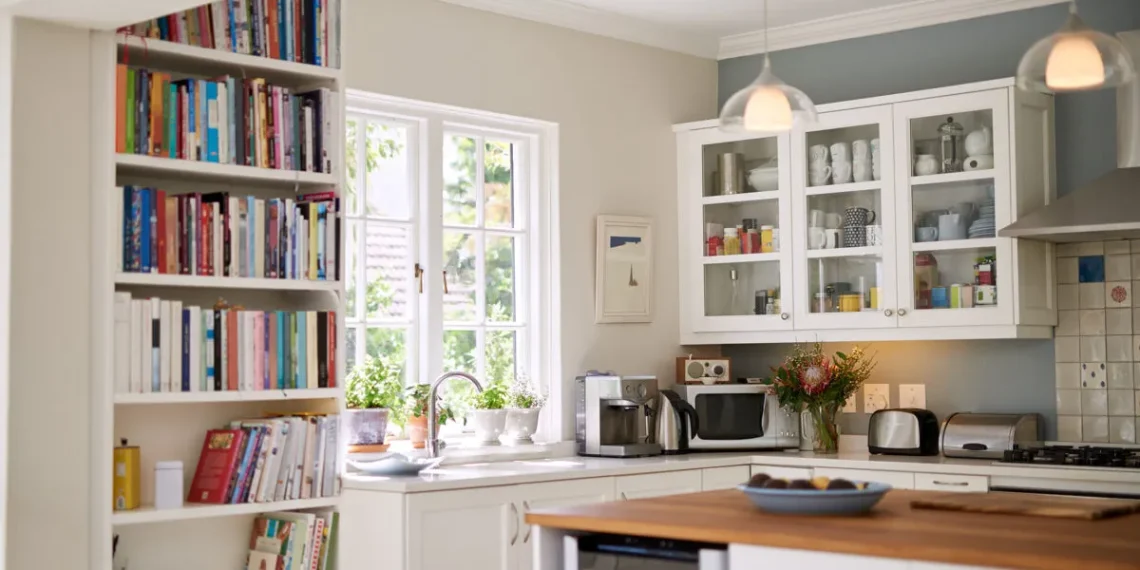
Space dictates behavior, especially in a kitchen. In a small kitchen, every movement, every reach, and every habit either supports flow or creates friction. I have learned that organization is not about making things look tidy for a photo but about reducing mental and physical effort while cooking real meals. A well-organized small kitchen feels larger not because the walls move, but because the work becomes smoother and more intentional.
Small kitchens force honesty. They reveal what actually gets used and what only takes up space. Over time, I stopped trying to make my kitchen resemble large, aspirational layouts and started shaping it around how I cook, prep, and clean daily. That shift changed everything, from how fast meals come together to how relaxed I feel while cooking.
Letting Function Lead the Layout
The first step toward organizing a small kitchen is respecting how it naturally functions. Instead of fighting the layout, I work with it by mapping where each task happens. Prep, cooking, plating, and cleaning all need defined zones, even if those zones overlap in a tight space. Once those zones are clear, storage decisions become much easier to make.
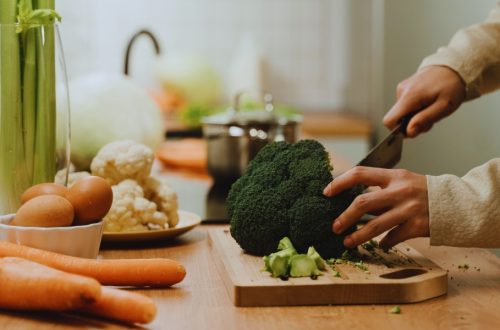
I place tools as close as possible to where they are used. Knives live near the prep surface, not tucked away across the room. Pots and pans stay near the stove, not stacked wherever they fit. This approach reduces unnecessary movement and prevents clutter from creeping back in through inconvenience.
A small kitchen cannot afford randomness. Every drawer and cabinet must serve a purpose that aligns with daily habits. When layout supports behavior, organization stops feeling like a chore and starts feeling automatic.
Editing Before Organizing
No organizing system works if excess items remain in place. Before rearranging anything, I remove items that no longer earn their space. This includes duplicate tools, novelty gadgets, and cookware that has not been touched in months. Space is the most valuable ingredient in a small kitchen, and it should not be wasted on objects that create friction.
Letting go of items is not about minimalism for its own sake. It is about clarity and access. When shelves are overcrowded, even useful items become hard to reach and easy to forget. By editing first, the remaining tools become easier to see, grab, and return.
This process also reveals patterns. I often notice that I rely on a small group of tools repeatedly, while others sit untouched. Those insights guide how storage gets structured moving forward.
Using Vertical Space Intentionally
Walls are often underused in small kitchens. I rely heavily on vertical space to free up counters and cabinets. Hooks, rails, and shelves turn blank walls into functional storage without adding bulk. This approach keeps frequently used items accessible while preserving precious horizontal space.
Open wall storage works best when it stays purposeful. I avoid overcrowding shelves with mismatched items that create visual noise. Instead, I group similar tools together so the wall reads as organized rather than chaotic. Visual calm matters in a tight space where clutter can feel overwhelming.
Vertical storage also encourages maintenance. When everything has a visible place, items are more likely to be returned after use. That small habit prevents clutter from accumulating over time.
Making Cabinets Work Harder
Cabinets in small kitchens must do more than simply store items. I treat them as systems rather than boxes. Adjustable shelves, stackable inserts, and door-mounted organizers transform standard cabinets into efficient storage zones. These additions create layers without sacrificing accessibility.
I avoid stacking items too deeply. When objects hide behind other objects, they effectively disappear. Instead, I organize cabinets so everything is visible at a glance. This reduces decision fatigue and speeds up cooking.
Door space is especially valuable. I use it for lightweight items like lids, wraps, and measuring tools. That hidden surface often becomes the difference between cramped shelves and breathable storage.
Rethinking Drawer Organization
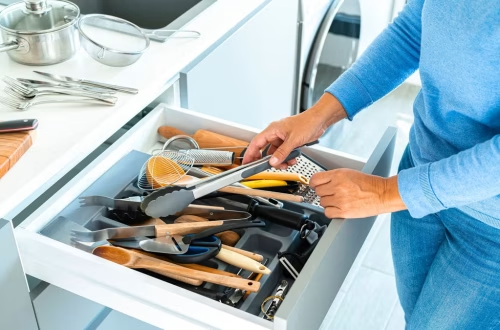
Drawers can either be the most efficient storage solution or the biggest source of chaos. In a small kitchen, they deserve careful attention. I divide drawers by function rather than by item type. A prep drawer holds knives, peelers, and spatulas that support the same task.
Drawer dividers prevent tools from sliding into disorder. Even simple dividers create boundaries that encourage consistency. When every tool has a defined spot, cleanup becomes faster and less mentally taxing.
I also limit drawer depth. Overstuffed drawers become difficult to open and close, leading to frustration. Leaving a little empty space makes drawers easier to maintain over time.
Managing Counter Space With Discipline
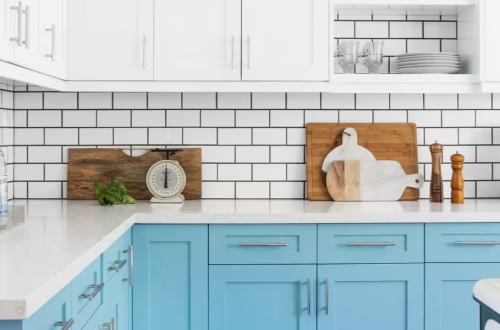
Counter space is the most visible real estate in a small kitchen. I keep it intentionally sparse. Only items used daily earn a permanent spot, and even those must justify their footprint. Everything else stays stored until needed.
This discipline creates a clear work surface that supports efficient prep. It also makes the kitchen feel larger and calmer. Visual clutter on counters amplifies the feeling of tightness in a small room.
Appliances are the biggest offenders when it comes to counter crowding. I rotate them based on season and usage. This flexibility allows the counter to adapt rather than remain permanently congested.
Smart Storage for Pots and Pans
Bulky cookware presents one of the biggest challenges in small kitchens. Stacking pots without a system leads to noise, scratches, and frustration. I organize them vertically whenever possible, using racks or dividers to keep each piece accessible.
Lids are stored separately to prevent awkward stacking. A dedicated lid organizer eliminates the need to dig through piles just to find the right match. This small adjustment saves time and preserves cookware.
I also evaluate pot sizes realistically. Keeping multiple oversized pieces in a small kitchen rarely makes sense. Streamlining to a few versatile options opens up valuable storage space.
Organizing Food Storage Efficiently
Pantry space is often limited or nonexistent in small kitchens. I treat food storage as part of the overall organization strategy rather than an afterthought. Clear containers help maximize shelf height while making contents easy to identify.
Grouping similar items together reduces visual clutter and simplifies cooking. Baking supplies stay together, snacks share a zone, and staples remain within easy reach. This structure prevents overbuying and forgotten ingredients.
Rotation matters as well. Older items move forward, newer items go behind. This habit reduces waste and keeps shelves functional rather than overloaded with forgotten food.
Creating Flexible Storage Zones
Flexibility is essential in a small kitchen. I design storage zones that can adapt to changing needs rather than locking everything into a rigid system. Adjustable shelves and modular containers support this approach.
Seasonal tools and specialty items move in and out of prime storage based on use. This keeps everyday items accessible while still accommodating occasional needs. A small kitchen thrives on adaptability rather than permanence.
Flexibility also reduces frustration. When storage evolves alongside habits, organization remains relevant instead of becoming outdated.
Lighting as an Organizational Tool
Lighting affects how organized a kitchen feels and functions. In a small kitchen, shadows can hide clutter and make tasks harder. I prioritize bright, even lighting in prep and storage areas to improve visibility.
Under-cabinet lighting makes counters more usable and highlights clean surfaces. Inside-cabinet lighting helps identify items quickly, reducing rummaging. Good lighting supports organization by making order visible.
A well-lit kitchen feels more spacious and less chaotic. That psychological effect matters just as much as physical storage solutions.
Building Habits That Maintain Order
Organization only works if it is maintained. I rely on small habits rather than occasional overhauls. Returning items to their designated spots after each use prevents clutter from building up.
Weekly resets help catch minor drift before it becomes a problem. I scan counters, drawers, and shelves to make small adjustments. This habit takes minutes but preserves long-term order.
Consistency beats perfection. A small kitchen does not need to look flawless to function well. It simply needs systems that support daily life.
Avoiding Overcomplication
Complex organizing systems rarely survive in small kitchens. I favor simple solutions that require minimal effort to maintain. If a system feels annoying, it will eventually be abandoned.
Labels, bins, and dividers should support ease, not add steps. When storage feels intuitive, organization becomes part of the cooking process rather than a separate task.
Simplicity also allows the kitchen to evolve naturally. As habits change, simple systems adapt more easily than rigid ones.
Final Thoughts
Organizing a small kitchen is not about squeezing more things into less space. It is about shaping the space around how cooking actually happens. When storage supports movement, habits, and workflow, even the smallest kitchen can feel capable and calm.
I have found that thoughtful organization reduces stress, speeds up cooking, and makes the kitchen a place I enjoy spending time in. Space limitations do not have to limit creativity or comfort. With intention and consistency, a small kitchen can work beautifully every single day.