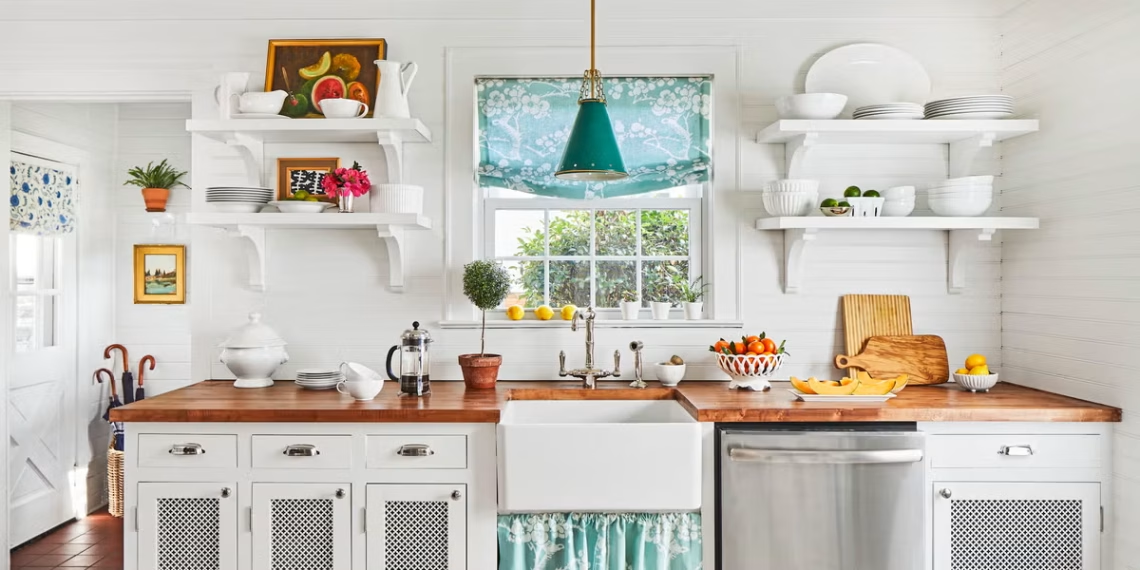
A kitchen does not fall into disorder overnight. The mess usually builds in small, quiet ways that feel harmless at first but slowly chip away at efficiency. I have seen how even a well-organized kitchen can drift into chaos without consistent habits and realistic systems. Long-term organization is less about dramatic cleanups and more about daily alignment between space and behavior.
Short bursts of motivation can create temporary order, but sustainability comes from structure that supports real life. Cooking, cleaning, and storage must work together without demanding constant effort. When organization becomes part of the rhythm of the kitchen, it stops feeling like work and starts feeling natural.
Building Organization Around Daily Habits
Long-term kitchen organization starts with honesty about how the space is actually used. I pay close attention to repeated movements, common bottlenecks, and areas where clutter tends to gather. These patterns reveal what works and what quietly causes friction. Organization that ignores habits eventually collapses under daily pressure.
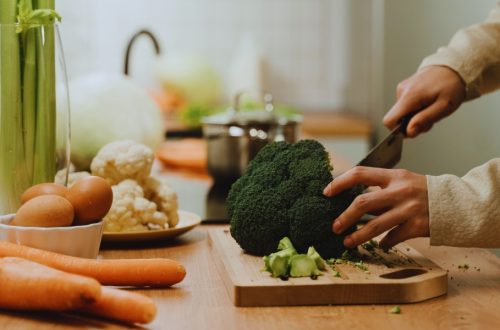
Instead of forcing ideal systems, I shape storage around routines that already exist. Tools sit near where they are used, ingredients stay close to prep zones, and cleanup flows logically from cooking. This alignment reduces resistance and increases consistency.
Habits do not change easily, but storage can adapt to support them. When organization reinforces behavior, it lasts far longer than systems built on intention alone.
Assigning Clear Homes for Everything
Items without a designated home become clutter by default. I make sure every tool, ingredient, and appliance has a clear place where it belongs. This clarity removes hesitation during cleanup and reduces the chance of items being left out.
Clear homes also simplify decision-making. When an item’s location is obvious, putting it away becomes automatic. Over time, this reduces visual noise and mental fatigue.
A home does not need to be perfect, but it does need to be consistent. Even flexible storage zones benefit from defined boundaries that guide daily use.
Prioritizing Accessibility Over Perfection
Storage that looks good but feels awkward rarely survives long-term use. I focus on accessibility first, even if it means sacrificing symmetry. Items that are hard to reach or difficult to return tend to migrate onto counters.
Accessibility also includes ease of movement. Cabinets and drawers should open without obstruction, and frequently used items should not require rearranging other things. Smooth access supports momentum during cooking.
When storage works effortlessly, maintenance becomes a byproduct rather than a chore. That ease is essential for long-term organization.
Managing Inflow to Prevent Clutter
Clutter often enters the kitchen through unchecked inflow. New tools, pantry items, and gadgets arrive without a plan for where they will live. I stay mindful of what enters the space and why.
Before adding anything new, I consider whether it replaces something or adds complexity. This pause prevents storage systems from becoming overloaded. It also encourages thoughtful purchasing rather than impulse accumulation.
Managing inflow protects the balance of the kitchen. Organization remains intact when space is respected as a limited resource.
Using Simple, Repeatable Systems
Complex systems tend to fail under real-life conditions. I rely on simple storage methods that require minimal effort to maintain. Bins, dividers, and shelves should support quick decisions rather than demand precision.
Repeatability matters more than cleverness. A system that works even on busy days is more valuable than one that looks impressive but requires constant upkeep. Simplicity invites consistency.
These systems also adapt more easily as habits evolve. Flexibility keeps organization relevant instead of rigid.
Scheduling Small Maintenance Moments
Long-term organization depends on regular, light maintenance. I schedule brief check-ins rather than waiting for major cleanouts. A few minutes spent resetting drawers or shelves prevents disorder from gaining momentum.
These moments are not about perfection. They focus on restoring alignment between items and their homes. Small corrections keep systems functional.
Maintenance becomes easier when it is routine. Consistency reduces the need for drastic overhauls and keeps the kitchen feeling manageable.
Containing Similar Items Together
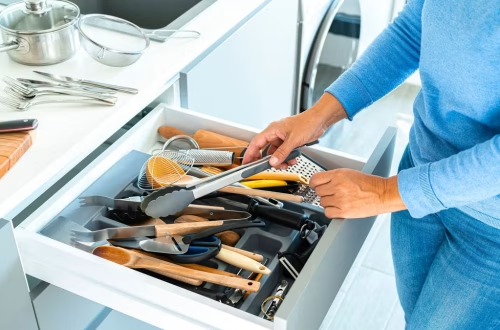
Grouping similar items simplifies storage and speeds up cooking. I store tools, ingredients, and supplies by function rather than by appearance. This approach mirrors how tasks unfold in the kitchen.
Functional grouping reduces searching and context switching. Everything needed for a task stays within reach, preserving focus. This clarity supports efficiency and reduces frustration.
Over time, these groupings become intuitive. The kitchen begins to guide behavior instead of resisting it.
Adapting Storage as Needs Change
Kitchens evolve alongside habits, seasons, and preferences. I revisit storage decisions periodically to ensure they still support current needs. What worked six months ago may no longer fit daily routines.
Adaptation prevents storage from becoming outdated. Small adjustments, such as moving a frequently used tool closer or relocating seasonal items, keep systems aligned. Flexibility preserves long-term order.
Ignoring change leads to friction. Storage must remain responsive to stay effective.
Protecting Counter Space Intentionally
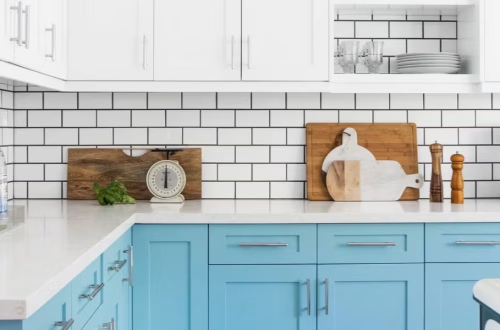
Counters play a critical role in organization. I treat them as work zones rather than storage surfaces. Only items used daily earn a permanent place.
Clear counters support prep, reduce stress, and make the kitchen feel more open. They also discourage clutter accumulation by limiting available drop zones.
Maintaining this discipline requires commitment, but the payoff is significant. A clear counter signals order throughout the kitchen.
Creating Visual Calm
Visual clutter affects how organized a kitchen feels, even if storage is technically functional. I aim for visual calm by limiting overcrowding and maintaining consistent spacing. This makes it easier to see what is available and what needs attention.
Clear sightlines reduce mental load. When the kitchen looks orderly, cooking feels less overwhelming. Visual calm supports focus and enjoyment.
This does not require minimalism. It simply requires thoughtful arrangement and restraint.
Making Cleanup Easy, Not Optional
Cleanup habits determine whether organization lasts. I structure storage so cleanup feels easy rather than burdensome. Items should return to their homes without effort or rearranging.
When cleanup is simple, it happens naturally. When it feels complicated, clutter accumulates quickly. Storage must support cleanup at the end of cooking, not fight it.
Ease encourages consistency. Consistency sustains organization.
Setting Boundaries for Temporary Items
Temporary items often become permanent clutter. Mail, groceries, and miscellaneous objects need defined holding areas. Without boundaries, they spread into prep and storage zones.
I designate specific spots for temporary items and clear them regularly. This prevents spillover into functional areas. Boundaries protect the integrity of the kitchen.
Clear limits maintain order without requiring constant vigilance.
Avoiding Emotional Storage Decisions
Emotional attachment can complicate organization. I evaluate items based on usefulness rather than sentiment. Tools that no longer serve the kitchen create friction regardless of their history.
Letting go supports clarity. Storage works best when it reflects present needs. Emotional decisions often preserve clutter that undermines functionality.
Practicality keeps organization grounded and sustainable.
Reinforcing Habits Through Layout
Layout reinforces behavior. I arrange storage to guide actions automatically. Frequently used items appear where the hand naturally reaches, while less-used items remain accessible but unobtrusive.
This reinforcement reduces decision-making. The kitchen begins to function intuitively. Good layout supports long-term order without conscious effort.
Behavior follows design. Thoughtful layout keeps organization intact.
Treating Organization as a Process
Organization is not a finish line. I treat it as an ongoing process rather than a completed task. This mindset removes pressure and encourages adaptation.
Processes evolve. Storage improves through feedback and small refinements. Accepting imperfection allows progress.
Long-term organization thrives on patience and responsiveness.
Final Thoughts
Keeping a kitchen organized long-term requires systems that respect daily life rather than fight it. Sustainable order grows from alignment between habits, storage, and space. When organization supports how cooking actually happens, it becomes effortless.
I have learned that lasting organization comes from simplicity, consistency, and flexibility. Small, thoughtful choices create a kitchen that stays functional over time. With the right structure, order becomes a natural part of everyday cooking rather than a constant battle.