There are cuts of beef that forgive you for rushing, and then there’s Wagyu. Most home cooks treat it like a museum piece something to be admired, saved, and eventually used on some unnamed future occasion that never quite arrives. The package sits in the freezer. Months pass.
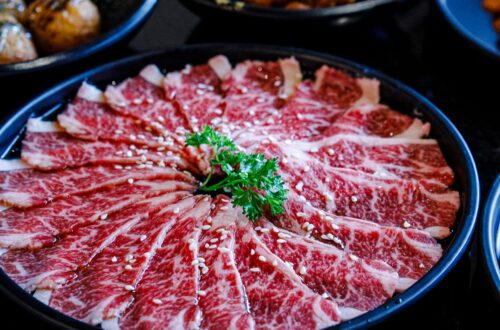
Wagyu is a category of Japanese cattle breeds known for a fat marbling pattern that distributes through the muscle rather than around it. That fat renders fast at high heat, which makes Wagyu surprisingly well-suited for stir-fry. A traditional ribeye or strip steak needs time. Wagyu, sliced thin and hit with a screaming-hot pan, takes four minutes. Maybe five. The fat does the work.
And here’s the thing most people miss when they first cook it: less is more, in every direction. Less time in the pan. Less sauce competing with the beef. Less fussing overall. The whole point of this stir-fry is to let the meat carry the dish, with garlic and soy doing exactly what garlic and soy have always done, giving it a frame without drowning the picture.
What You’ll Need
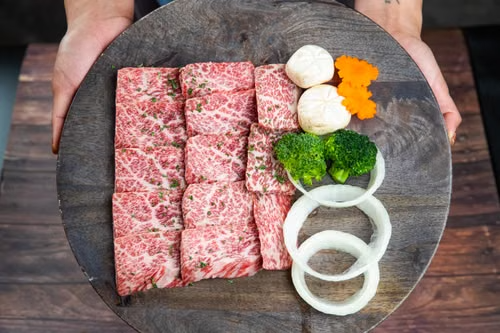
The ingredient list is short on purpose. For two to three servings, you’ll want around eight ounces of Wagyu beef, sliced against the grain into strips roughly a quarter-inch thick. Thinner is fine. Thicker takes longer and risks overcooking the outside before the inside catches up. From the pantry: low-sodium soy sauce, fresh garlic (at least three cloves, four if you mean it), a neutral oil with a high smoke point; avocado or grapeseed oil work well, not olive oil, and a small amount of sesame oil for the finish. That’s it. Some cooks add a splash of rice vinegar to brighten the sauce, or a pinch of white pepper for warmth. Both are good calls.
For vegetables, keep it simple. Broccolini, snap peas, or thinly sliced bell pepper all cook quickly enough to stay in the pan without turning soft. If you’re using broccoli florets, blanch them for two minutes first. Regular broccoli needs a head start, or it holds up the whole dish.
The Pan Matters More Than You Think
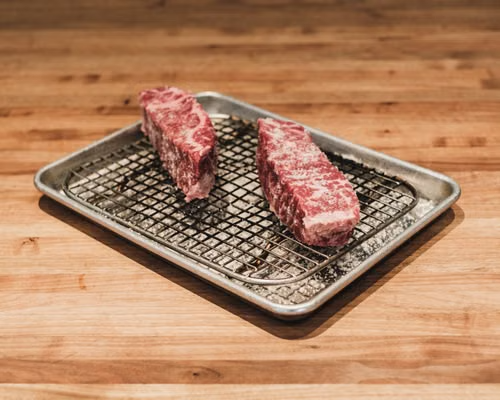
A carbon steel or cast iron pan will give you better results here than a nonstick. Nonstick pans can’t handle the heat required for a proper sear, and a proper sear is what makes this recipe worth making. You want the beef to pick up color fast; that Maillard reaction, where the surface browns and develops flavor, only happens above around 300°F. Nonstick coatings begin to break down well before that point, so you end up with gray, steamed meat instead of something that looks and tastes like it came from a restaurant.
Get the pan hot before anything goes in. Genuinely hot. A drop of water should skitter and evaporate on contact. Add your oil, let it shimmer, then the beef in a single layer. No crowding. If you pile the strips in, they steam instead of sear, and you lose everything that makes Wagyu worth the price. Cook in batches if your pan is small.
Thirty seconds per side. Flip. Another thirty seconds. The beef should have a golden edge and look barely done in the center. Pull it out. Set it aside. This is the part where patience matters most; the beef will keep cooking from residual heat while you finish the sauce, and you want it to arrive at the plate still pink at the center, not gray all the way through.
Building the Sauce in the Same Pan
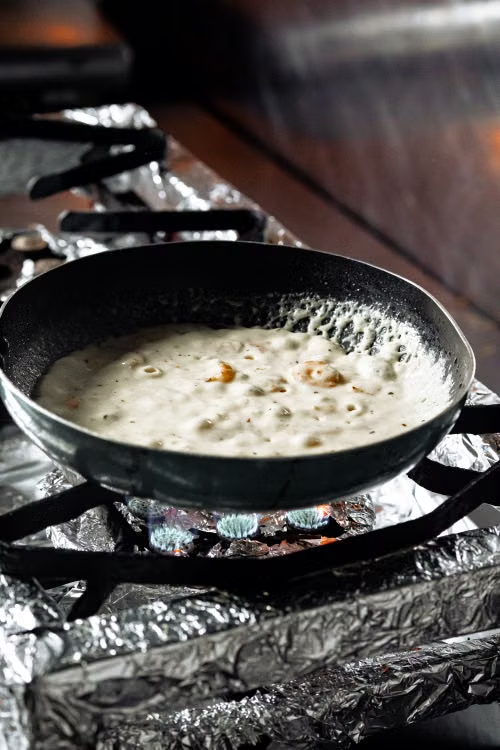
Don’t wipe the pan. There’s rendered fat and browned bits left behind, and that’s where half the flavor lives. Turn the heat down to medium-high, add your vegetables, and let them cook for two to three minutes, moving them around so they pick up some of that fond from the bottom. Then the garlic: add it now, not earlier. Garlic burns fast in a very hot pan, and burned garlic ruins everything around it. Thirty seconds, stirring constantly, until it’s fragrant and just starting to color.
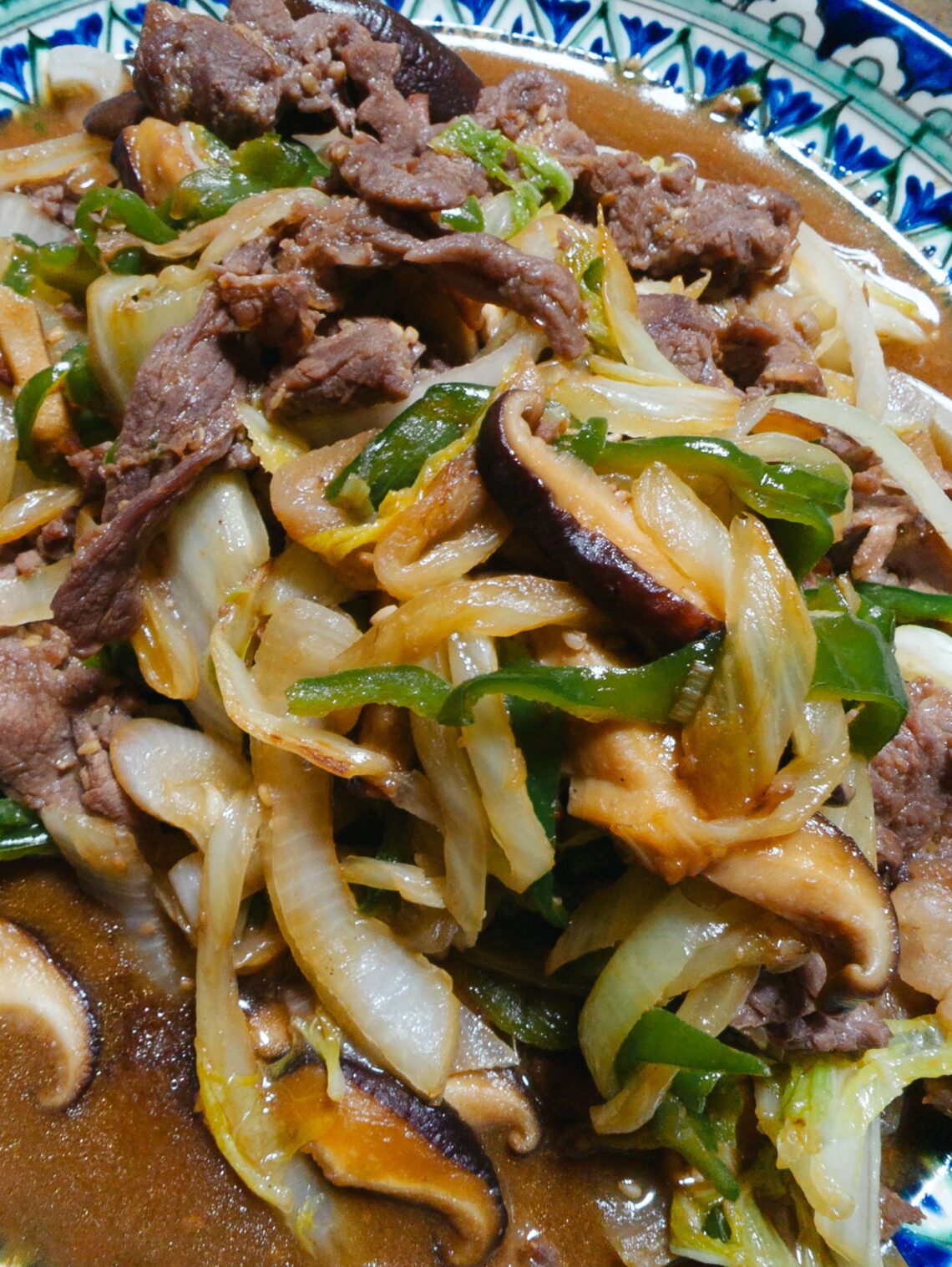
Add two tablespoons of soy sauce, a teaspoon of sesame oil, and whatever brightening element you’ve chosen. The sauce will sizzle and reduce almost immediately. Add the beef back in, toss everything together, and give it thirty seconds more. Total active time in the pan: under ten minutes.
Serve over steamed white rice or, if you want to lean into the weeknight efficiency of the whole thing, rice that’s been sitting in the fridge since yesterday. Day-old rice actually stir-fries better; it’s drier, less sticky, and picks up the sauce instead of absorbing into a clump.
Wagyu sold in American grocery stores is often American-raised Wagyu or American Wagyu crossbreeds, not Japanese A5. Both are worth cooking. Genuine Japanese A5 is extraordinary and expensive enough that using it in a stir-fry would feel extravagant to some people, and they wouldn’t be wrong. American Wagyu is more accessible, still noticeably richer than commodity beef, and lands at a price point that makes a Tuesday dinner feel indulgent without requiring a second mortgage.
Whatever grade you’re using, ask the butcher to slice it for you if you’re buying from a counter, or freeze it for twenty minutes before slicing at home. Semi-frozen beef cuts cleanly and evenly, which means consistent thickness across every strip, and consistent thickness means everything cooks at the same rate.
What Makes This Worth Repeating
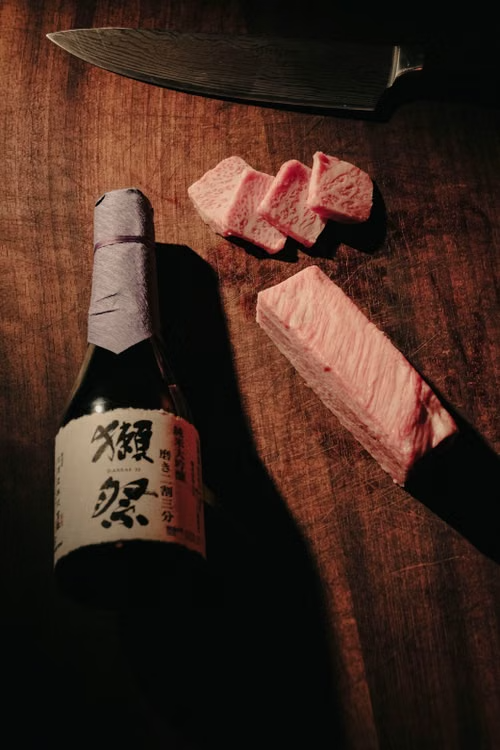
The garlic and soy combination is older than the pan you’re cooking in, and it’s still right. There’s a reason every culture that developed stir-fry cooking landed on some version of this pairing: soy brings umami depth and salt; garlic brings sharpness that keeps the richness of the beef from feeling heavy. The sesame oil at the end brings a faint nuttiness that rounds it out.
With Wagyu specifically, the fat in the beef is already doing so much that the sauce doesn’t need to be complicated. Simple is correct here. And because the whole dish comes together in one pan in about 25 minutes, it fits a Tuesday night in a way that a $60 restaurant cut never quite does, even when the beef is that good.
If you’ve been keeping Wagyu in the freezer for a special occasion, this is the occasion.
Sources
Background on Wagyu cattle breeds, fat marbling characteristics, and grading systems
Reference for browning mechanism and temperature thresholds in high-heat cooking
This article was created with AI assistance and reviewed for clarity and accuracy.