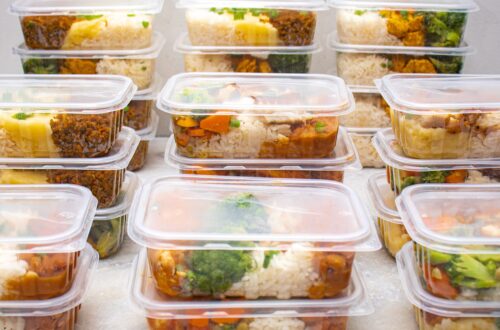
Sunday afternoon, around two o’clock, is when it happens. The kitchen smells like roasting garlic and something in the oven, and for once, dinner for the next four nights is already decided. Not planned in theory. Actually done, or close enough that Tuesday’s dinner is forty minutes away from the table instead of an hour and a half.
Not a rigid meal-prep system with labeled containers and identical portions. Just the habit of doing a little more on the days you have time so the days you don’t aren’t a scramble.
And here’s the thing most weeknight cooks figure out eventually: the gap between a stressful dinner night and a calm one usually isn’t skill. It’s timing. It’s whether the chicken is already cooked, whether the rice is already in the fridge, whether someone did thirty minutes of thinking on the weekend so Tuesday’s exhausted version of you doesn’t have to.
What’s Worth Making Ahead (and What Isn’t)
Some things keep beautifully and reheat like they were made that morning. Others turn rubbery, watery, or strange overnight. Knowing which is which saves you from the disappointment of prepped food that doesn’t deliver.
Grains are among the best things to batch-cook. Cooked white rice keeps in the refrigerator for four to five days. Brown rice holds just as well, and because it takes forty-five minutes from scratch, having it ready is a real time saver. Quinoa, farro, barley all of them store fine and reheat in a splash of water or broth.
Proteins are next. A whole roasted chicken, pulled or sliced, will carry you through three or four meals across the week. Browned ground beef, seasoned simply, becomes tacos on Monday, a pasta sauce on Wednesday, and stuffed peppers on Thursday if you’re ambitious. Cooked shredded chicken goes into soups, quesadillas, grain bowls, casseroles, or sandwiches without much effort at all. Hard-boiled eggs are ready in twelve minutes and keep peeled in cold water for up to a week.
Roasted vegetables are worth doing in quantity. A sheet pan of broccoli, cauliflower, sweet potatoes, or whatever is in the produce drawer takes twenty-five minutes and can anchor four different meals. They reheat in a dry skillet faster than in the oven and taste better that way.
What doesn’t travel as well: pasta with sauce already mixed in tends to absorb the liquid and go soft. Fried foods lose their texture almost immediately. Leafy salads with dressing wilt fast. Fish is technically fine to refrigerate for a day or two, but the smell in a sealed container can be uninviting by day two. Better to cook fish fresh and build everything else around it.
Storage That Actually Works
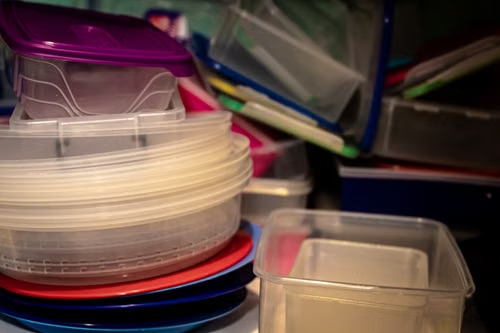
The containers matter more than most people expect. Shallow, wide containers cool food faster and more evenly than deep ones — which is relevant because food sitting in a deep container stays warm in the center longer, and that’s where bacterial growth starts. The USDA recommends getting cooked food into the refrigerator within two hours of cooking.
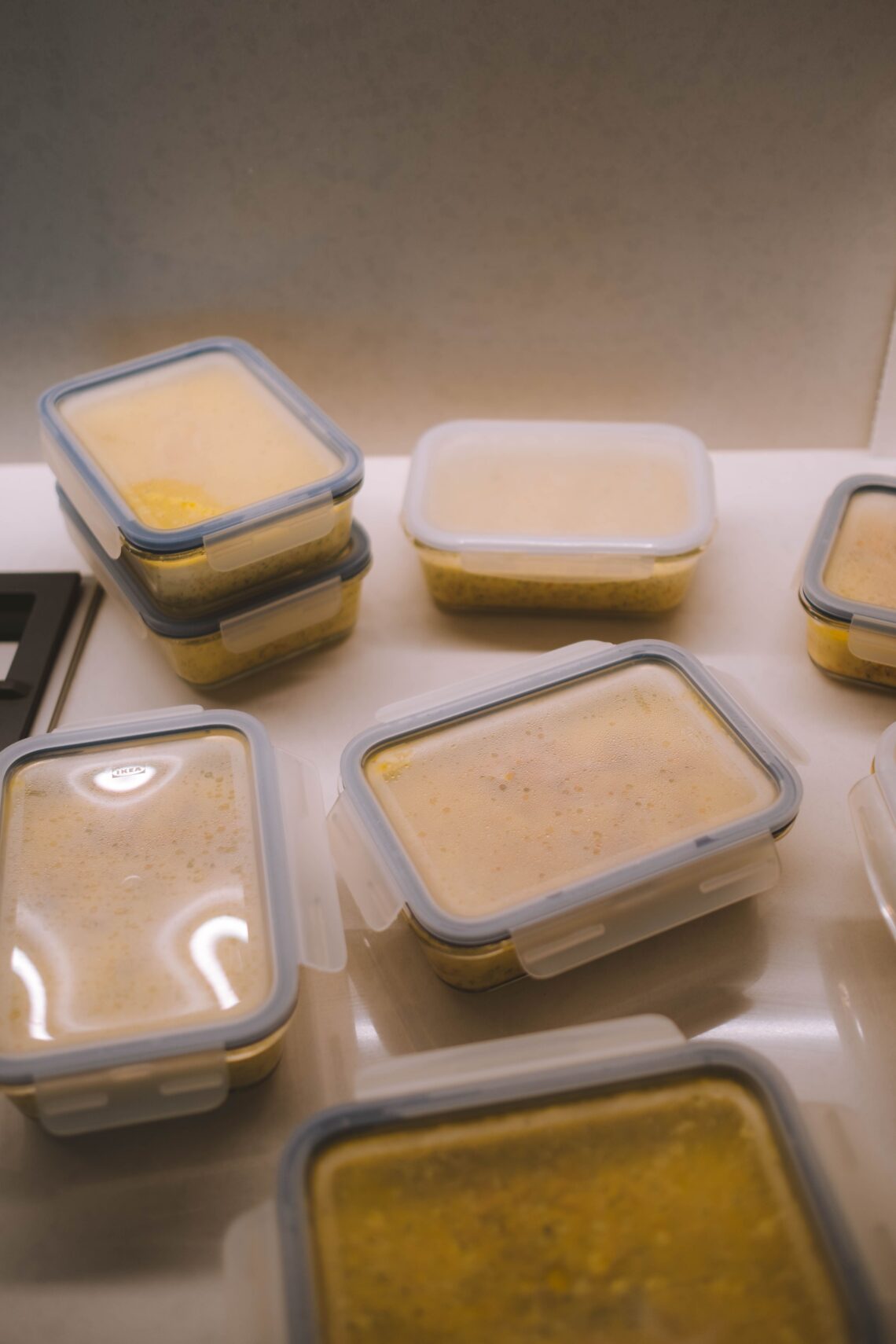
Glass containers with locking lids are worth the investment if you do this regularly. They go from fridge to oven to table; they don’t stain, and they don’t hold odors. Freezer-safe zip-lock bags laid flat are excellent for soups, stews, and broth; they stack when frozen and thaw faster than a solid block in a container. A roll of masking tape and a marker on the counter make labeling easy enough that you’ll actually do it.
For things going into the freezer, the enemy is air. Squeeze as much out of bags as possible before sealing. With containers, press plastic wrap directly onto the surface of soups and sauces before putting the lid on. Ice crystals form where air pockets are, and that’s what causes freezer burn. Soups, chilis, braises, and cooked beans freeze almost perfectly for up to three months.
The Weekend Hour That Changes Everything
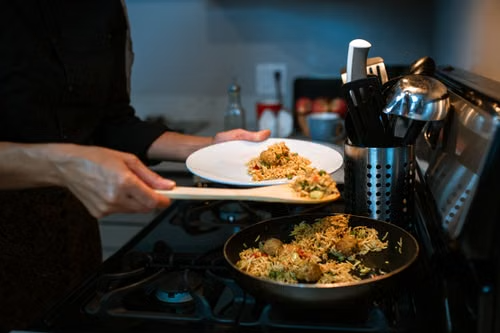
One hour. That’s usually enough to set up a functional week, if you’re deliberate about it.
Put a pot of grains on the stove. While it cooks, roast a sheet pan of vegetables. While those roast, brown a pound of ground meat or poach a couple of chicken breasts. At the end of an hour, you have three components that can combine into a dozen different meals. You’re not making dinner, you’re making ingredients. The actual dinner assembly on a Tuesday night takes fifteen minutes instead of an hour.
A few things make this easier. Keep a running mental category of what you call “building-block” meals, dishes that take almost any combination of protein, grain, and vegetable without going soft or falling apart. Grain bowls, fried rice, stir-fries, soups, wraps, and frittatas all fall into this category. When you think in components rather than specific recipes, prepped food stops feeling like leftovers and starts feeling like options.
One genuine time-saver that gets overlooked: do your knife work all at once. If you’re going to use onion in three different meals this week, dice three onions now. Minced garlic keeps in the fridge in a small container for several days. Sliced bell peppers hold fine for four or five days wrapped in a damp paper towel. The prep work is almost always what slows people down on a weeknight, not the cooking itself.
Soup deserves its own mention here. A big pot of soup or chili made on Sunday is probably the single most efficient make-ahead dinner there is. It reheats in eight minutes. It feeds a family. It gets better on the second and third day. And unlike most reheated food, it genuinely tastes as you cooked it that night.
Sources
Guidance on refrigerator and freezer storage times for cooked foods
Guidance on safe cooling and the two-hour rule
This article was created with AI assistance and reviewed for clarity and accuracy.