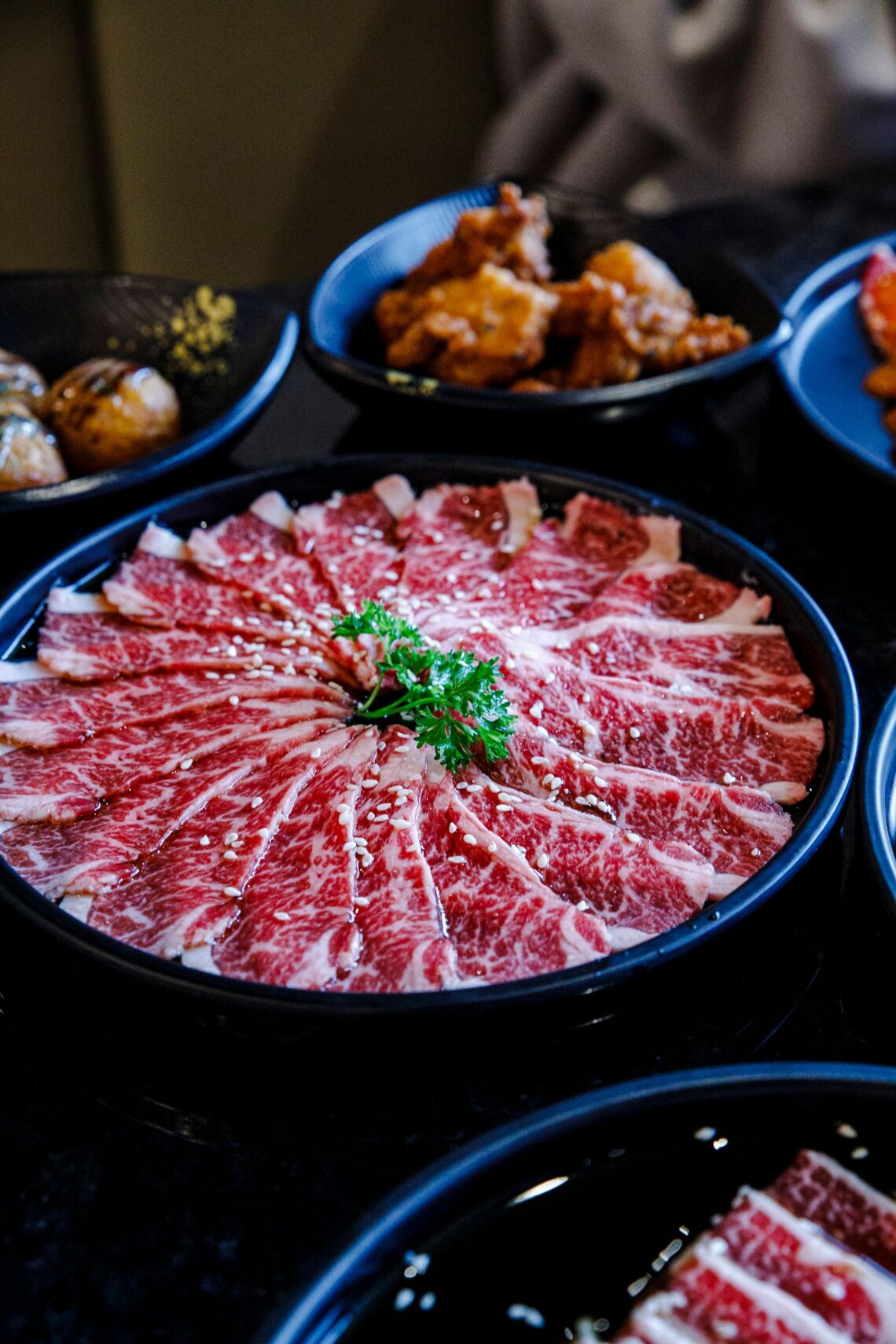
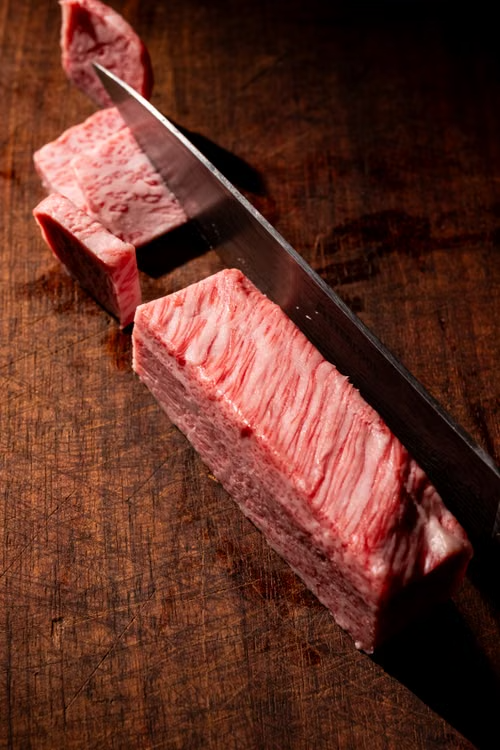
There are steaks you eat, and then there are steaks you pay attention to. Wagyu is the second kind. Whether you’ve picked up a couple of boneless ribeyes from a specialty butcher or ordered a whole striploin online, you already know the beef is the point. The marbling does the work. Your job, as the cook, is mostly to stay out of the way.
That applies to the sides, too. And this is where a lot of otherwise careful cooks go sideways: they spend serious money on the beef, then pile the plate with things that compete with it. Heavy cream sauces. Aggressively seasoned roasted vegetables. Blue cheese anything. The result isn’t a Wagyu dinner. It’s a dinner where the Wagyu got lost.
Here’s the thing most pairing guides miss: Wagyu fat has a lower melting point than commodity beef fat, which means it coats the palate quickly and lingers. That richness is the whole reason you bought it. What you want from the sides is contrast:t something that cuts through the fat, cleanses the palate between bites, and keeps the next bite tasting just as good as the first.
What to Think About Before You Choose a Side
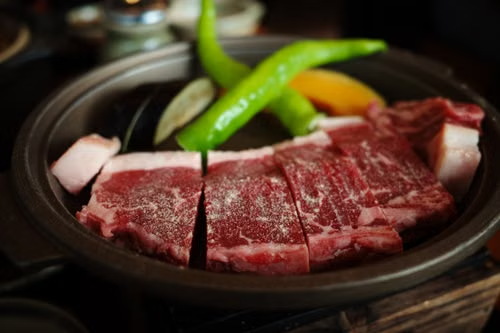
A useful frame here is the Japanese steakhouse tradition, where Wagyu is often served in small portions alongside pickled vegetables, steamed rice, and simple sauces. The sides aren’t decorative. They’re functional. They reset the palate. American steakhouse sides-, loaded baked potatoes, creamed spinach, wedge salads drowning in blue chees-, work fine with a USDA Choice sirloin because that beef is leaner, less fatty, less intense. Wagyu is a different animal, literally and culinarily.
So the question to ask before you pick a side is: does this cut through, or does this pile on?
Anything bright or acidic belongs on this list. A simple arugula salad dressed with lemon juice and a little olive oil is one of the best things you can put next to a slice of Wagyu. The bitterness of the arugula and the acid of the lemon do exactly what you need them to do. No croutons, no Parmesan showers, no heavy dressings. Just clean, sharp greens.
Roasted asparagus works for similar reasons. A high-heat roast gives you some char on the tips, that slight bitterness again, and the vegetable itself is neutral enough not to bring a competing flavor. Finish with a squeeze of lemon over the top after they come out of the oven. That’s all they need.
Pickled or quick-marinated cucumbers are another strong option, and one that most American home cooks underuse. Slice them thin, toss with rice wine vinegar, a pinch of salt, and a little sugar, and let them sit for twenty minutes while the beef rests. They come out cool, bright, and sharp. One bite of steak, one bite of cucumber. The contrast is genuinely remarkable.
Starches That Support Without Stealing
A starch on the plate serves a different purpose than a vegetable. It absorbs, it grounds, it gives you somewhere to put the bite between the beef bites. The key is keeping the starch simple enough that it doesn’t introduce a competing flavor profile.
Plain steamed Japanese short-grain rice is the purist’s answer. It does nothing except carry a bite of steak and a little of its fat. If rice feels too minimal for your table, you can do a simple garlic rice, just a clove or two sweated in butter before the rice goes in, but stop there.
Crusty bread works in the same way, especially a good sourdough. The slight tang of the bread actually echoes the brightness of an acidic side, and you’ll want something to run across the board after you’ve eaten the steak anyway. No compound butters on the table, though. The beef is already doing the butter’s job.
If you want a more substantial potato, go with something roasted simply: halved baby potatoes, olive oil, salt, maybe a little fresh thyme. Avoid anything creamy or heavily loaded. Mashed potatoes can work if you make them on the leaner side, less cream, more butter, nothing added that shouts for attention.
This is the short version: skip anything with a strong cheese component, skip anything with a heavy cream sauce, and skip anything with a lot of sweetness. That means no glazed carrots, no sweet potato casserole, no gratin dauphine with its blanket of Gruyère. All of those are fine steaks in other contexts. Next to Wagyu, they muddy the water.
Also worth skipping: anything you have to spend a lot of time on. If the side dish is competing for your attention in the kitchen, you’re not watching the beef closely enough. Wagyu cooks fast and cooks hot; a thin-sliced striploin can go from perfect to overdone in ninety seconds. Your sides should be done, or close to done, before the beef hits the pan.
Putting It Together
A plate that works: arugula salad dressed with lemon, roasted asparagus with a little char, steamed rice or a thick slice of sourdough. Total active time, not counting the beef, is maybe twenty-five minutes. The whole thing comes together while the steak rests.
If you want to add a sauce, keep it small and sharp. A grated fresh wasabi alongside the beef is the traditional Japanese approach, and it works because wasabi doesn’t coat the palate the way a butter sauce does; it clears it. A simple ponzu dipping sauce is another option. A tiny ramekin of good flaky sea salt on the table is all the seasoning most Wagyu needs.
The goal, at the end of a Wagyu dinner, is that every bite tasted as good as the first. That happens when the sides are doing their quiet job, resetting, refreshing, staying out of the way, rather than trying to be the meal themselves.
Sources
Background on Wagyu breed characteristics, marbling grades, and fat composition
Context on traditional Japanese steakhouse and kaiseki serving traditions
This article was created with AI assistance and reviewed for clarity and accuracy.