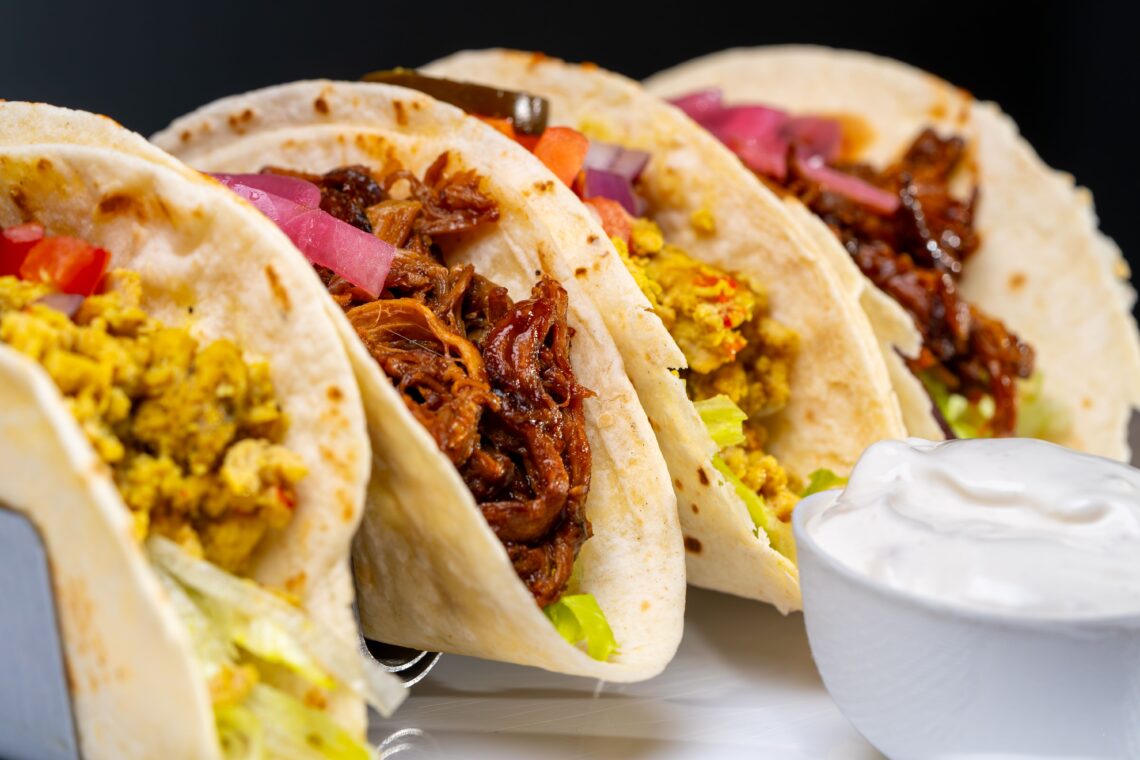
The taco seasoning packet has been lying to you for decades.
Not in a dramatic way. It won’t hurt you. But somewhere between the dusty orange powder and the watery, faintly metallic filling that results, something gets lost: the depth that real ground beef tacos can have when you build the flavor yourself, from scratch, in about the same amount of time it takes to find the packet in the back of the spice drawer.
Here is the thing most weeknight taco recipes skip over: the beef matters more than the shell. More than the toppings. More than anything else on the table. Get the beef right:t properly browned, well-seasoned, cooked with a little patience, and every taco you build on top of it will taste as if it came from somewhere worth going back to.
Choosing the Right Ground Beef
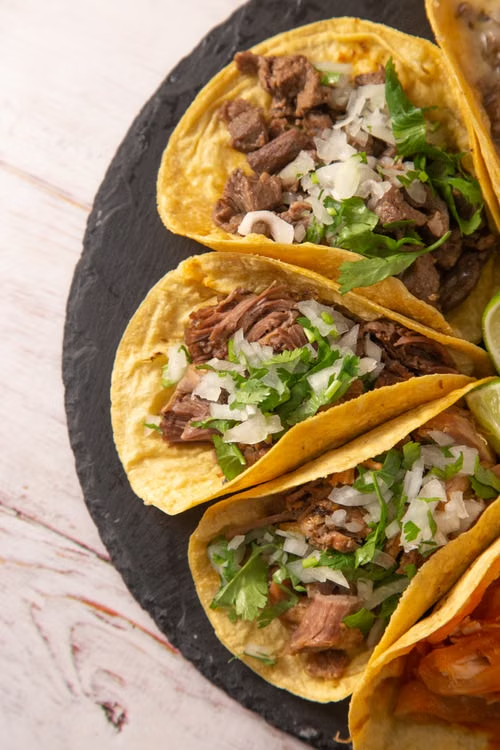
The fat content question comes up every time, and the answer is less complicated than people make it. Eighty percent lean ground beef, the package usually reads 80/20, produces a taco filling with actual flavor and the right texture. Leaner beef dries out fast and goes tight in the pan. Fattier beef is fine, but you’ll drain more. The 80/20 ratio has enough fat to brown properly without swimming in grease at the end.
Brown it in a wide skillet, not a saucepan. Cast iron works beautifully here. Get the pan genuinely hot before the meat goes in, hot enough that the beef sizzles immediately on contact. Then leave it alone for a minute or two. That’s the Maillard reaction at work, building the crust and the savory depth that seasoning alone can’t manufacture. Breaking it up too soon steams the meat instead of searing it, and you end up with gray, soft crumbles that taste like nothing in particular.
Once it’s browned and broken into smaller pieces, drain most of the fat, leave a tablespoon or so in the pan, then season.
The Spice Mix You Can Make in Two Minutes
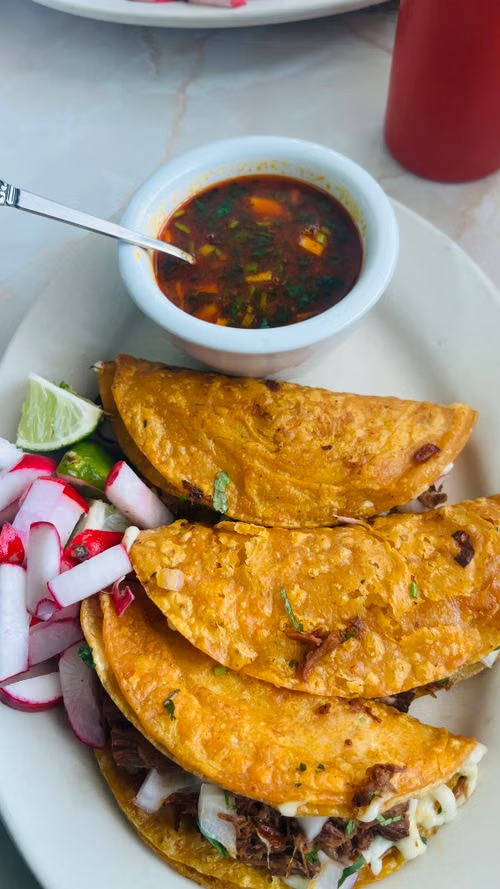
A good taco spice blend has five core players: chili powder, cumin, garlic powder, onion powder, and salt. After that, it’s up to you. Smoked paprika adds warmth without heat. A pinch of oregano. Mexican oregano,ano if you can find it, regular if you can’t, gives the filling a faintly herbal note that rounds things out. A small amount of cayenne for heat, or none at all.
The ratio that works well: two teaspoons of chili powder to one teaspoon of cumin, and a half-teaspoon each of garlic powder and onion powder. Salt to taste, always at the end.
Add the spices to the drained beef over medium heat. Stir to coat. Then add a splash of water, about a quarter cup, and let it simmer for two or three minutes until the liquid absorbs and the filling comes together. That small amount of water is the difference between a seasoned filling and a dry one. It pulls the spices into the meat instead of leaving them sitting on the surface.
And here’s the part most people skip: taste it before you serve it. Not after you’ve assembled the tacos. Taste the filling alone, off a spoon, and adjust. It needs more salt more often than you’d think.
Flour or corn is a real debate, and both answers are correct depending on what you grew up eating. Corn tortillas have a deeper flavor and hold up better if you warm them properly: thirty seconds per side in a dry skillet over medium heat, until they’re pliable and smell faintly of corn. Flour tortillas are softer, slightly sweeter, and more forgiving. Hard shells are nostalgic in a specific way that no one should apologize for.
Warm the shells every time. A cold tortilla wrapped around hot filling is a structural problem and a flavor one.
For toppings, the classic set- shredded iceberg lettuce, diced white onion, fresh cilantro, diced tomato, shredded cheese, sour cream, lime- works for a reason. Every element does a job. The lettuce brings crunch and cool. The lime cuts through the fat of the beef. The sour cream softens the heat. Don’t overthink it.
The one upgrade worth making: add a fast pico de gallo instead of plain diced tomatoes. Combine diced tomato, white onion, cilantro, a squeeze of lime juice, and a small pinch of salt in a bowl ten minutes before dinner. Let it sit. The lime juice draws out moisture from the tomatoes and brings everything together. It takes four minutes to make and tastes as if you spent considerably longer.
Timing It for a Real Weeknight
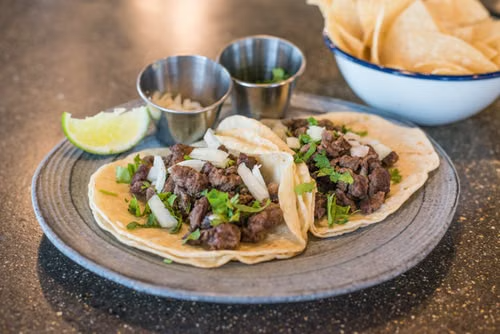
The whole recipe, beef in the pan to tacos on the table, runs about 25 to 30 minutes if you’re not multitasking and closer to 20 if you are. Brown the beef first, then make the pico while the filling seasons and simmers. Warm the shells in the last two minutes. Set everything out on the table separately and let people build their own. That part matters more than it sounds. Assembly at the table means the shells stay crisp longer, and it turns dinner into something slightly more communal than a plate set in front of someone.
One batch of this filling, roughly a pound of ground beef, makes enough for eight to ten tacos. That feeds a family of four with leftovers, and the filling reheats well the next day in a pan with a tablespoon of water. It’s just as good the second time, maybe better.
You could also use it in a burrito bowl over rice. Or on nachos. Or as the base for a quick taco soup. The filling is a workhorse. Once you make it once, you’ll stop reaching for the packet.
Once you taste the difference and the difference is real, the packet starts feeling like a shortcut to something worse.
Sources
Technique reference for browning ground beef and building taco seasoning from scratch
Practical weeknight approach to seasoning ratios and shell selection
This article was created with AI assistance and reviewed for clarity and accuracy.