There is a moment at every taco bar, usually around the twenty-minute mark, when the sour cream lid disappears, the shredded cheese is half-empty and fused into a lump, and three people are standing in line waiting on the one spoon everyone is sharing for the salsa. The food is fine. The setup failed.
A taco bar done right is one of the most forgiving things you can cook for a crowd. Done halfway, it turns into a lukewarm traffic jam. The difference is almost entirely in the planning, not the recipes.
How Much Food to Buy
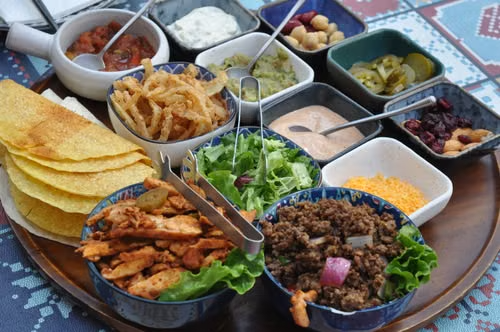
Start with the math, because this is where most taco bars go wrong. Plan on three to four tacos per adult for a main meal. That sounds like a lot until you remember that a taco bar is also a snacking situation; people circle back. For a group of twelve, that means roughly thirty-six to forty-eight tacos worth of protein. Figure about three ounces of cooked meat per taco, which works out to eight to ten pounds of raw meat for that same group of twelve (cooking shrinks it).
Tortillas should be bought in excess. Running out of tortillas at a taco bar is the kind of thing people remember. Buy a third more than you think you need, and keep them in the packaging until service. A six-inch corn tortilla is the traditional choice for street-style tacos; a seven-inch flour tortilla holds more filling and is easier for people who want to eat without making a mess. Put out both if you can. Some people feel very strongly about this.
The Protein Question
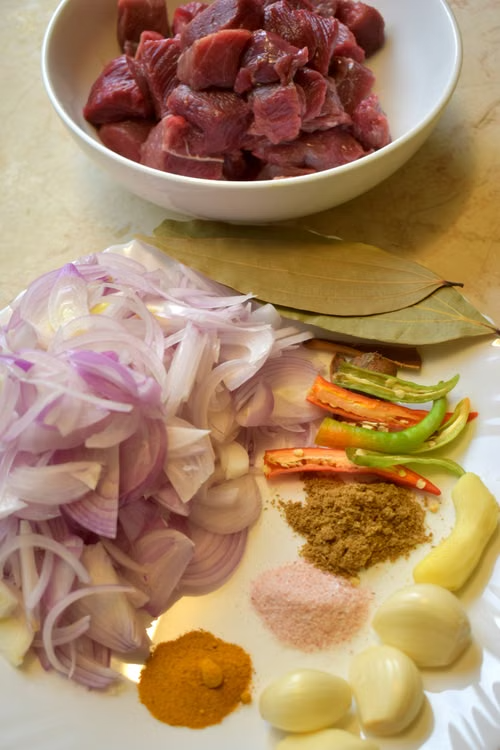
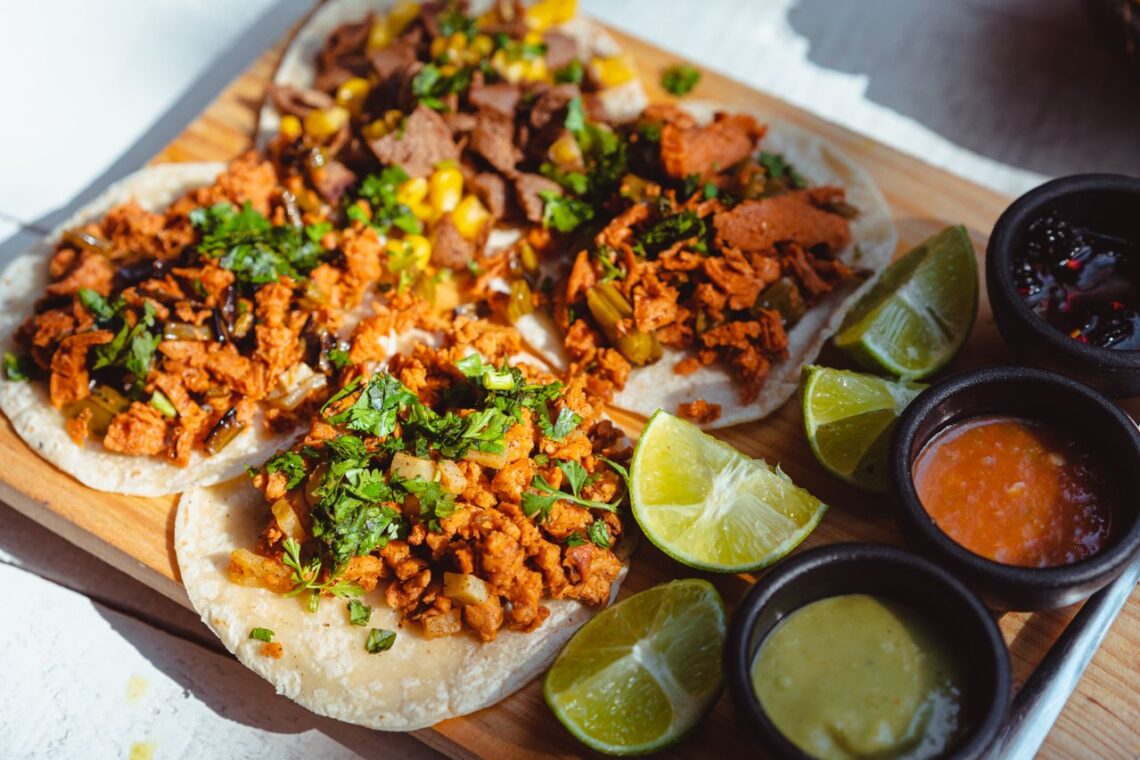
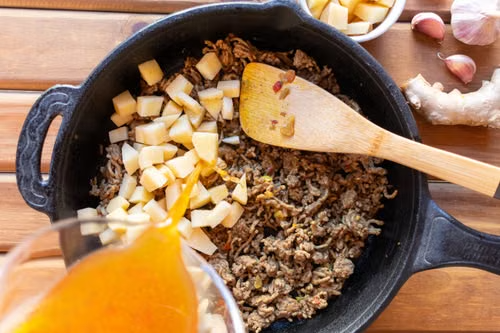
Ground beef seasoned with cumin, chili powder, garlic, and a splash of water to keep it loose is the crowd-pleaser baseline. But a taco bar with only one protein is a missed opportunity. Chicken thighs braised in chile sauce, shredded and kept warm in a low oven, hold up far better than breast meat over a long service. Carnitas, pork shoulder cooked low and slow until it shreds, can be made two days ahead and reheated without losing anything. In fact, it improves. If you’re offering a meatless option, seasoned black beans or roasted sweet potato with chipotle are both substantial enough to stand on their own, not just an afterthought for one person.
Keep proteins warm in a slow cooker on the low setting, or in a covered Dutch oven in a 200°F oven. The goal is to hold them at a safe temperature (above 140°F) without drying them out. A splash of broth in the Dutch oven helps. Check it every forty-five minutes.
The Toppings That Actually Matter
Here is the thing most taco bar guides skip: the ratio of wet toppings to dry toppings determines how long your setup looks good. Wet toppings- salsa, pico de gallo, guacamole, sour cream- break down over time. Dry toppings, shredded cheese, shredded cabbage, pickled onions, sliced radishes, hold. If you’re feeding people over two hours, plan to refresh the wet toppings halfway through. Make a second batch of guacamole and keep it covered in the fridge. Pull it out at the one-hour mark.
The toppings that matter most, in order of how fast they disappear: guacamole, shredded cheese, salsa, and sour cream. The toppings most people under-buy: pickled jalapeños, lime wedges, and fresh cilantro. Lime wedges are not optional. A squeeze of lime does more for a taco than any single prepared topping, and a bowl of them costs almost nothing.
For a group of twelve, you’ll want at least two avocados per batch of guacamole and plan on two batches. A pound of shredded Mexican blend cheese disappears faster than you’d expect. Set out two bowls of it rather than one large one; people tend to over-scoop from a deep container.
Setting Up the Line
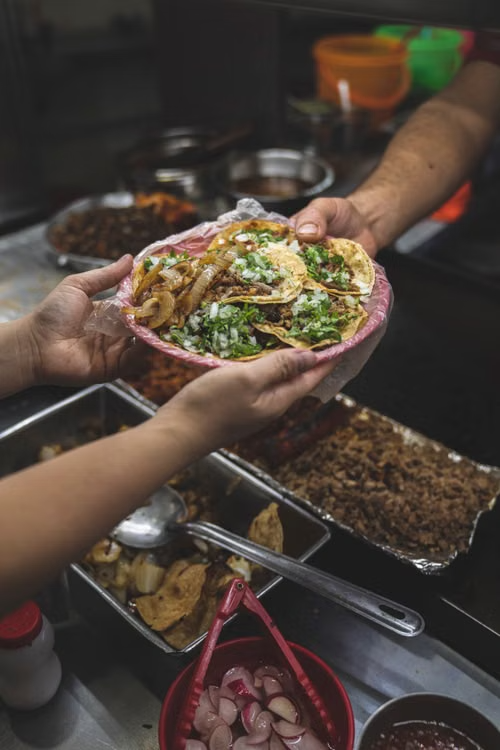
The physical layout of a taco bar matters more than most people realize. Put tortillas first, protein second, then wet toppings, then dry toppings, then sauces and extras. This mirrors the natural order of assembly and keeps the line moving. If the cheese comes before the protein, people stop to think. Put a stack of plates at the start of the line and napkins at the end, or people will grab a napkin, set down the plate, and hold up everything.
Use serving spoons with long handles, one per container. This seems obvious until you’re watching four people share two spoons at a crowded counter. Label the proteins, especially if you’re serving more than one. “Chicken” and “Beef” on a folded card saves a surprising amount of explaining.
Keep the tortillas warm by wrapping them in a clean kitchen towel and tucking them inside a low oven (200°F), or use a tortilla warmer if you have one. Cold tortillas crack when folded. Warm tortillas don’t.
Sources
USDA and FDA guidance on safe holding temperatures for cooked proteins
Technique and portioning guidance for large-format taco service
This article was created with AI assistance and reviewed for clarity and accuracy.