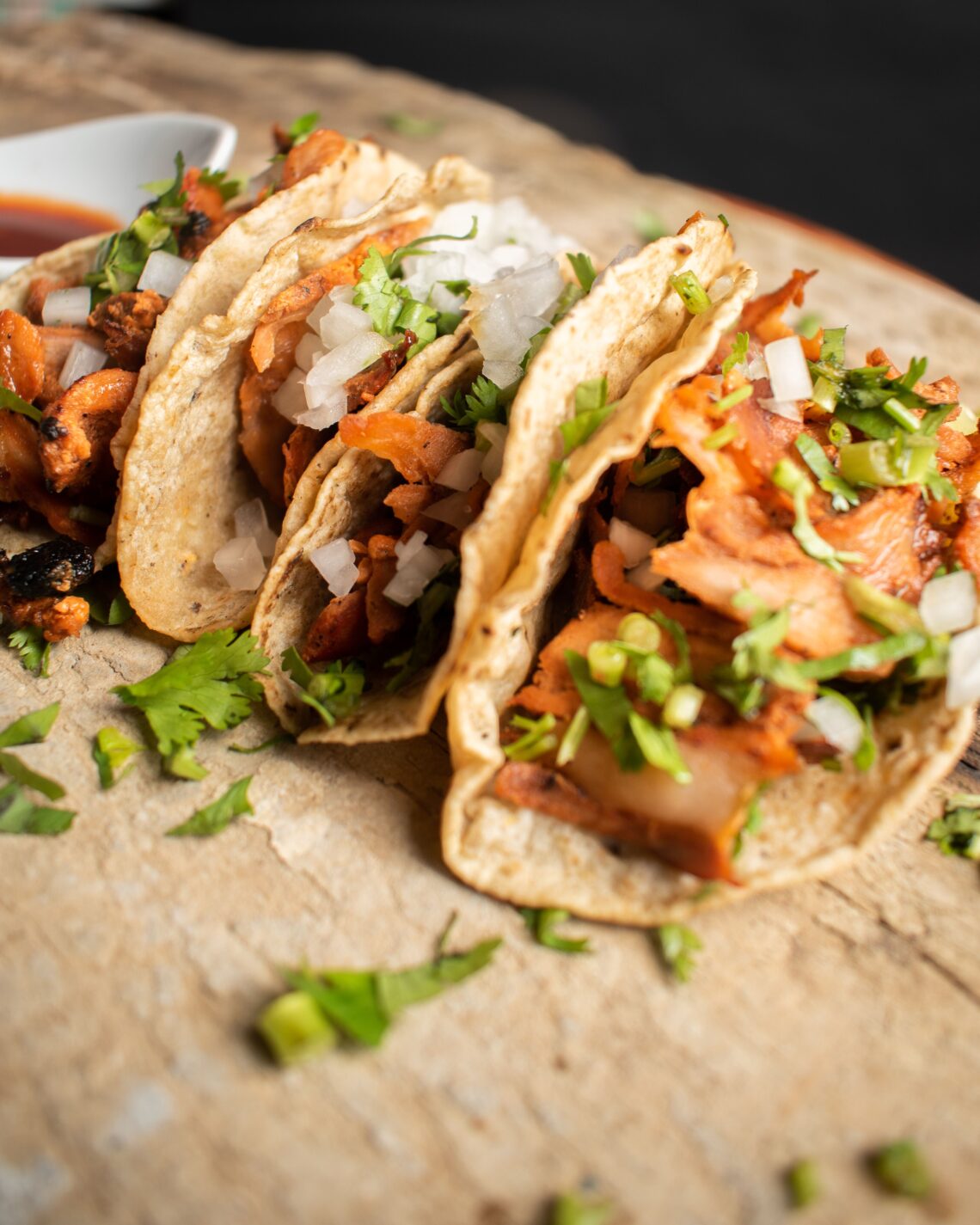
Walk into almost any Mexican home kitchen and you’ll find tortillas made with one specific type, because the dish demands it. Street tacos in Mexico City come on corn. Flour tortillas dominate the northern states, where wheat farming took hold and wheat-based flatbreads became the daily staple. The two traditions grew up separately, shaped by different crops, different techniques, and different ideas about what a tortilla is even for.
Most American grocery stores treat them like interchangeable options. They’re not.
What Makes Corn Tortillas
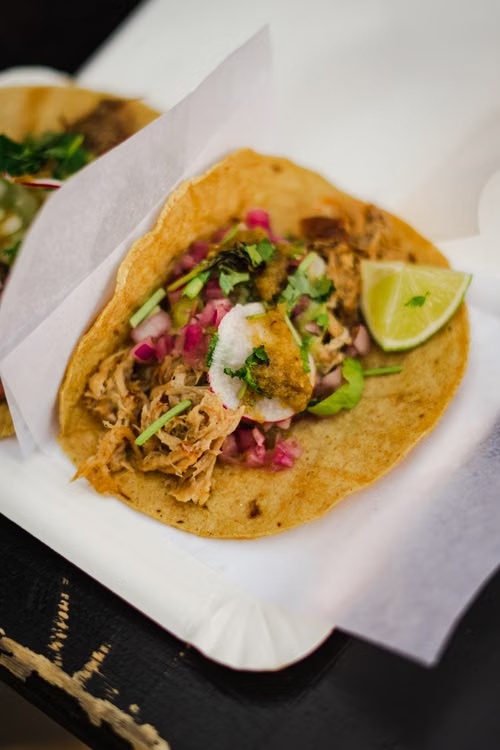
Corn tortillas start with masa a dough made from dried corn that’s been soaked and cooked in an alkaline solution, usually water mixed with calcium hydroxide, then ground wet. That process is called nixtamalization, and it’s one of the more remarkable techniques in the history of food preparation.
The alkaline soak loosens the outer hull, unlocks nutrients that raw corn can’t deliver, and fundamentally changes the flavor of the corn itself. What comes out of that soak is not just processed grain; it’s masa harina when dried and powdered, or fresh masa when used immediately.
The flavor that results is earthy, slightly tangy, and unmistakably corn-forward. You taste the grain.
Corn tortillas are also thinner, smaller, and more structurally fragile than flour tortillas. A fresh corn tortilla tears if you try to fold it cold. Warm it on a dry skillet for thirty seconds per side and it becomes pliable, slightly charred at the edges, and entirely different. The heat wakes up the flavor compounds in the masa and creates the faint crispness at the rim that makes street tacos so satisfying. Most of the texture work in a corn tortilla happens in those thirty seconds on the comal, not in the recipe.
Because corn tortillas are smaller, usually five to six inches across, they hold a modest amount of filling. They’re designed for focused bites: seasoned meat, a spoonful of salsa, a few cilantro leaves. The corn flavor is strong enough to be a real part of the dish, not just a wrapper.
What Makes Flour Tortillas
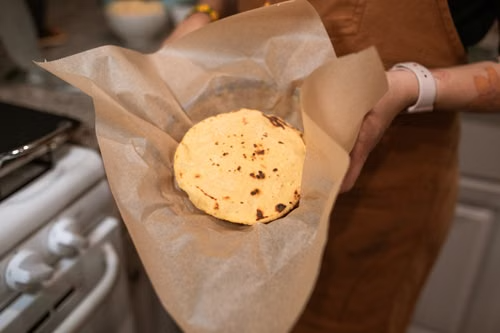
Flour tortillas use wheat flour, water, fat, and usually some salt. The fat, traditionally lard, though many commercial versions use vegetable shortening or oil, is what separates a flour tortilla from a flatbread. When fat coats the gluten strands in the dough and limits how tightly they bond, you get something soft, stretchy, and pliable rather than chewy or crackerlike. This is the same principle behind pie crust and biscuits: fat as a tenderness agent.
The gluten structure in a flour tortilla is also what lets it stretch. A good flour tortilla can hold a pound of filling without tearing. That’s why burritos, quesadillas, and wraps almost always call for flour, the tortilla needs to fold, roll, and contain without splitting at the seam.
Flavor-wise, flour tortillas are mild and slightly buttery, with a soft, pillowy texture that lends itself to richer fillings. Beans, cheese, braised meat, scrambled eggs, these pair well with flour because the tortilla itself steps back and lets the filling lead. Where corn announces itself, flour supports.
And here’s the thing most home cooks don’t think about: flour tortillas are also more forgiving cold. You can pull a flour tortilla straight from the fridge, fold it around some leftovers, and it won’t crack. Corn tortillas at room temperature or cold will split along the fold, they need heat to behave.
The Maillard Question
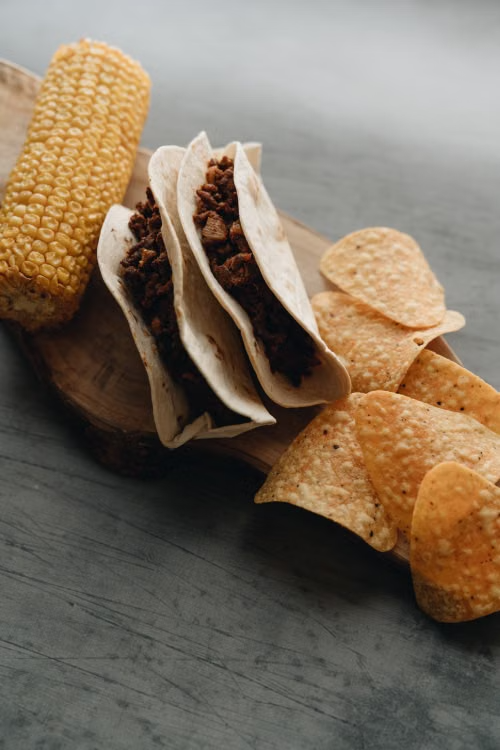
Both tortillas toast, but they toast differently. A corn tortilla develops real char at the edges when it hits a hot, dry pan, those blackened spots add a bitterness that cuts through fatty fillings and makes the whole bite more complex. A flour tortilla heated on the same pan puffs slightly, gets golden in spots, and develops a faint wheaty sweetness.
Neither is better. They’re doing different things.
If you’re making carnitas tacos, the slight bitterness of a charred corn tortilla against the rich pork fat is doing real flavor work. If you’re making a breakfast burrito with eggs, cheese, and salsa, a soft flour tortilla is the right call, you want it to yield, not compete.
The Maillard reaction, the same browning chemistry behind seared steak and toasted bread, operates in both cases, but the different base ingredients (corn masa versus wheat flour) produce different flavor compounds. Corn’s natural sugars and proteins char more aggressively, which is why corn tortillas can go from perfectly toasted to too dark in under a minute. Flour tortillas are more forgiving on the heat.
For tacos, especially with fish, shrimp, al pastor, carne asada, or anything where the protein has its own strong flavor, corn is almost always the right choice. The tortilla becomes part of the dish rather than just the vehicle.
For burritos, quesadillas, and anything involving melted cheese as a binding element, flour tortillas hold together better and seal more cleanly. The stretchiness matters when the filling is dense or heavy.
For enchiladas, corn is traditional and functionally correct, a flour tortilla softened in sauce tends to turn gummy, while a corn tortilla holds its structure better under the same conditions.
For chips and tostadas, only corn works. The fried or baked crunch of a corn tortilla has no real flour equivalent, the texture and flavor are specific to the masa base.
For wraps and anything eaten at room temperature or cold, sandwiches, school lunches, grab-and-go meals, flour is the practical answer. It won’t crack, it won’t dry out as fast, and it doesn’t need to be warm to be good.
A Note on Freshness
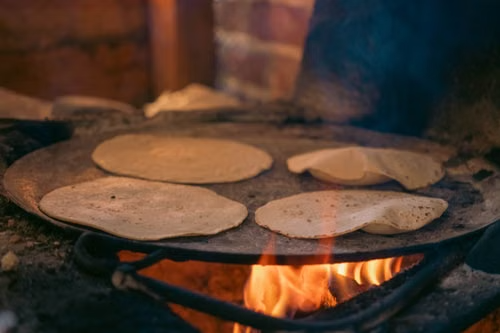
The biggest gap between a good tortilla and a forgettable one isn’t corn versus flour. It’s fresh versus old.
A corn tortilla made from fresh masa the same day it’s cooked is a different food entirely from the stack of rubbery rounds in a plastic bag that have been sitting on the shelf for two weeks. Fresh masa tortillas have a mineral, almost floral smell when they hit the heat. They taste like corn in a way that makes you understand why the dish was designed around them.
If you have access to a tortillería or a grocery store that makes fresh tortillas in-house, that’s worth knowing about. Many Mexican grocery stores and some larger chains sell fresh or freshly made tortillas near the deli or bakery section rather than on the shelf.
Flour tortillas also benefit from being warm, room temperature at minimum, briefly heated on a skillet at best. A cold flour tortilla fresh from the fridge has a dull, doughy quality that disappears the moment it spends thirty seconds over low heat. The fat in the dough softens, the surface gets a little tacky, and the whole thing becomes something worth eating.
The choice between corn and flour is really a question about what the dish needs: bright and earthy with structural limits, or mild and stretchy with room to carry a bigger load. Neither one is the default. Both are worth learning.
Sources
Background on the alkaline corn preparation process that defines masa and corn tortillas
Overview of corn and flour tortilla history, regional use, and preparation methods
This article was created with AI assistance and reviewed for clarity and accuracy.