The best batch of cookies you’ll ever bake might not happen on the day you make the dough.
That idea took a while to catch on in most home kitchens. For a long time, the logic seemed obvious: you mix the dough, you bake the cookies, you eat the cookies. The whole thing happens in one afternoon. But somewhere between the third batch of holiday sugar cookies and the realization that the family had already left for the weekend, home bakers figured out a better system. You make the dough when you have time. You bake it when you need it.
Done right, frozen cookie dough produces cookies that are nearly indistinguishable from fresh-baked. Sometimes, and this is the part that surprises people,e they’re actually better.
Why Freezing Works in Your Favor
Cold slows everything down at a molecular level, and for cookie dough, slow is usually good. When portioned dough rests in the freezer, the fat firms up completely, the flour hydrates more evenly, and the flavors develop in a way that a quick room-temperature rest simply can’t replicate. Butter-based doughs in particular benefit from this. The colder the fat going into the oven, the more the cookie holds its shape before spreading, which means thicker centers, crisper edges, and less of that flat, lacy disappointment that comes from warm dough on a warm sheet pan.
And here’s the thing most recipes don’t bother to mention: chilling also gives enzymes in the flour more time to break down starches into simpler sugars. The result is a cookie with noticeably more depth of flavor. You didn’t add anything. You just waited.
How to Freeze Drop Cookies (The Right Way)
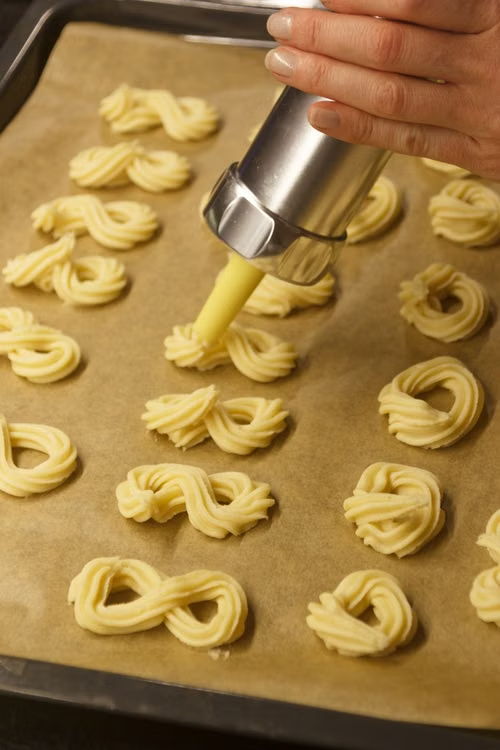
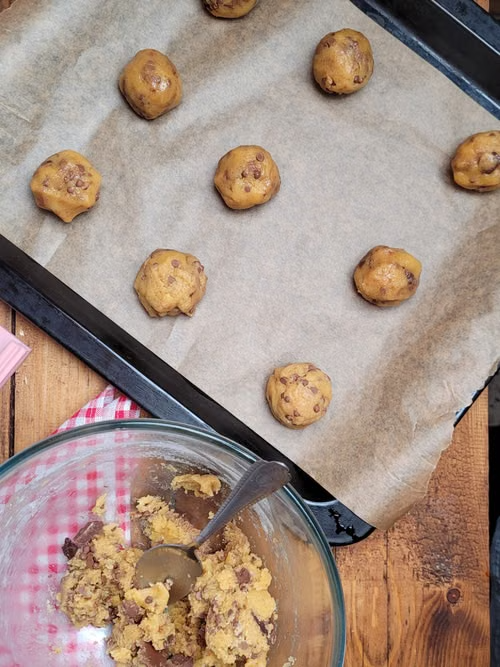
For drop cookies-, chocolate chip, oatmeal raisin, snickerdoodle, anything you scoop- the process is simple, but the order matters. Scoop the dough into individual portions first, then freeze them on a parchment-lined sheet pan until solid. This usually takes two hours, though an overnight rest is fine. Once the portions are frozen through, transfer them to a zip-top freezer bag or an airtight container. Label the bag with the date and the baking temperature.
Why the two-step? Because dough frozen in a single mass is a nightmare to portion later. You’d need to thaw the whole thing, which defeats the purpose entirely. Individual portions mean you can pull out exactly four cookies on a Tuesday night without disturbing the rest.
Most drop cookie doughs keep well in the freezer for up to three months. Beyond that, texture and flavor start to decline noticeably to anyone paying attention.
Shortbread, icebox cookies, and other slice-and-bake styles are arguably even better suited to freezing than drop cookies. Roll the dough into a log, wrap it tightly in plastic wrap, then wrap that in foil. When you’re ready to bake, let the log sit at room temperature for about fifteen minutes, just long enough to slice cleanly without crumbling, then cut and bake as usual.
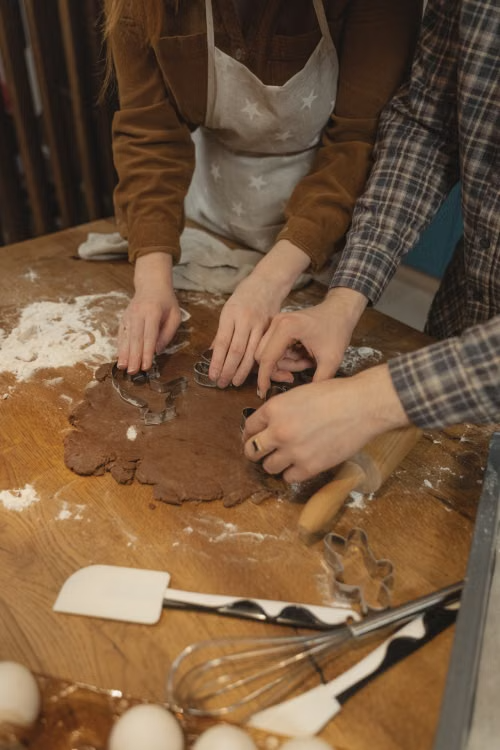
Rolled doughs for cutout cookies can also be frozen, either as a flat disk or already rolled and cut. If you’ve already cut the shapes, freeze them on a sheet pan first (the same two-step method as drop cookies), then transfer to a bag. Bake them straight from frozen, adding a couple of minutes to the usual time.
Baking Straight from the Freezer
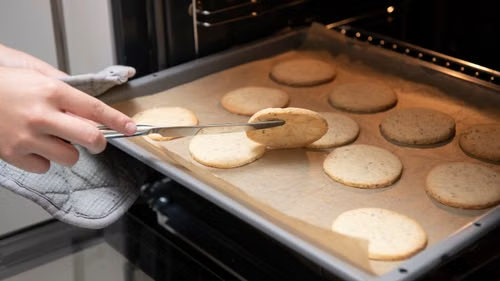
This is where most guides hedge, and they shouldn’t. You can bake frozen cookie dough portions straight from the freezer without thawing, and for most drop cookies, this is the preferred method. Add two to three minutes to whatever the recipe calls for, keep the oven temperature the same, and watch for the visual cues rather than the clock. The edges should look set. The center should look just slightly underdone. It will firm up as the cookie cools on the pan.
Thawing dough overnight in the refrigerator is a perfectly fine option if you plan ahead, but it’s not necessary, and it adds a step most people skip anyway.
Air is the enemy of frozen dough. A cookie dough left in a loosely sealed bag for two months will pick up freezer odors and develop a dull, slightly off flavor that no amount of vanilla extract will fix. Press out as much air as possible before sealing. For extra protection on doughs you plan to freeze longer than a month, double-wrap: one layer of plastic wrap directly against the dough, then a zip-top bag or a layer of foil over that.
This sounds fussy. It takes about thirty seconds. It is the single most important step in the whole process, and most people skip it because no recipe photo ever showed the part where you squeeze the air out of a freezer bag.
What Doesn’t Freeze Well
A few doughs are better baked fresh. Meringue-based cookies and anything with a high egg-white content don’t survive freezing intact; the structure breaks down. Cookies that rely on a very precise spread, like tuiles or lace cookies, can be unpredictable from frozen. And doughs with fresh fruit folded in tend to release too much moisture on thawing, making the texture gummy.
Everything else-, butter cookies, brownie drop cookies, gingerbread, peanut butter, sugar cookie cutouts, rugelach, freezes well. Most doughs you’d reach for on a holiday baking weekend are freezer-friendly.
A stocked freezer of portioned dough changes how you bake. You stop waiting for the right occasion and start pulling out exactly what you need when you need it. Six cookies for a school event. A dozen for unexpected guests. Four for a Tuesday night when no one said anything deserved celebrating, but something did anyway.
The dough was there. That was enough.
Sources
Technique guidance on drop, slice-and-bake, and rolled dough freezing methods.
Practical tips on portioning, wrapping, and baking from frozen
This article was created with AI assistance and reviewed for clarity and accuracy.