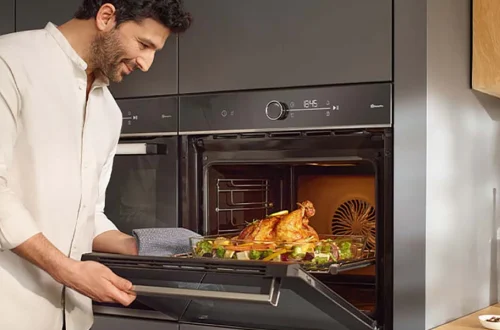

Cooking has a way of anchoring the day that few other routines can match. It interrupts the rush, demands attention, and turns ordinary time into something tactile and real. Even on days that feel repetitive or overwhelming, stepping into the kitchen gives the day a clear shape and a sense of purpose that goes beyond obligation.
Daily meaning often comes from small, repeated acts rather than major events. Cooking fits naturally into that space because it happens often and never feels exactly the same twice. Ingredients change, moods shift, and time constraints vary, yet the act itself remains familiar. That balance between routine and variation is what allows cooking to create moments that matter.
Cooking Slows the Day Down in a Productive Way
Time moves differently in the kitchen. Tasks like chopping, stirring, and tasting demand presence, not speed. Even when I’m short on time, cooking pulls my attention away from screens and distractions and redirects it toward what my hands are doing. That shift alone makes the moment feel more grounded.
Slowing down does not mean wasting time. Cooking transforms minutes into something tangible, which gives them weight and value. A rushed day feels less chaotic when at least one part of it unfolds at a human pace. That sense of control turns an ordinary moment into a meaningful pause.
Over time, those pauses accumulate. They become small anchors throughout the week, reminding me that not every moment needs to be optimized or rushed to be worthwhile.
Routine Turns Ordinary Actions Into Rituals
Cooking often follows familiar patterns, yet those patterns can feel ritualistic rather than dull. Washing vegetables, heating a pan, or tasting a sauce becomes comforting through repetition. The predictability adds a sense of calm that many other daily tasks lack.
Rituals create meaning by offering continuity. Preparing breakfast or dinner the same way each day marks time and provides structure. That structure gives the day a beginning, middle, or end that feels intentional rather than accidental.
Meaning grows when actions feel deliberate. Cooking transforms basic nourishment into something that signals care, attention, and presence.
Sensory Engagement Makes Moments Memorable
Cooking engages all the senses at once. The sound of sizzling oil, the smell of herbs, and the texture of dough under my hands pull me fully into the moment. That sensory immersion makes time feel richer and more vivid.
Memories form more easily when senses are involved. A specific aroma can instantly recall a day, a season, or a feeling. Cooking creates those sensory markers daily, even if I don’t notice them immediately.
Those markers give ordinary days depth. They turn meals into memory points rather than forgettable routines.
Cooking Creates Clear Beginnings and Endings
Many daily activities bleed into each other without clear boundaries. Cooking has a natural arc. It starts with preparation, moves through transformation, and ends with a finished dish. That clear progression gives the moment a sense of completion.
Completion matters because it signals accomplishment. Finishing a meal, no matter how simple, provides closure in a day that might otherwise feel unresolved. That sense of finishing something tangible adds emotional weight to the moment.
Repeated daily, those completed arcs reinforce a feeling of progress. Each meal becomes a small, finished story within the larger day.
Attention Turns Meals Into Personal Checkpoints
Cooking creates opportunities to check in with myself. Flavor preferences, hunger levels, and energy all influence how I cook on a given day. That awareness turns the act into a quiet form of self-observation.
Those check-ins add meaning because they reconnect me with my needs. A craving for warmth or freshness often reflects how I’m feeling physically or emotionally. Cooking responds directly to that awareness.
Over time, those small acts of attention build a stronger connection between daily habits and personal well-being.
Imperfect Results Still Hold Value
Not every meal turns out as planned. Some dishes are too salty, others too bland, and some simply forgettable. Yet even imperfect meals carry meaning because they represent effort and presence.
Imperfection humanizes the process. It removes pressure and allows cooking to remain approachable. A flawed meal still feeds, still teaches, and still marks a moment in the day.
Accepting imperfect results shifts focus from outcome to experience. That shift allows daily moments to feel worthwhile regardless of how polished they appear.
Cooking Creates Transitions Between Parts of the Day
Meals often signal transitions. Breakfast marks the start, lunch offers a pause, and dinner signals closure. Cooking reinforces those transitions by requiring engagement at specific points in the day.
Transitions help the mind reset. Stepping away from work to prepare food creates a boundary that mental breaks alone often fail to provide. That boundary gives the moment clarity and intention.
These transitions prevent days from blurring together. Cooking divides time into meaningful segments that feel lived rather than rushed through.
Preparation Builds Anticipation
Meaning often grows in anticipation, not just completion. Cooking builds that anticipation naturally. The smell of food cooking or the gradual assembly of a dish creates expectation.
Anticipation heightens awareness. Waiting for a meal encourages patience and presence. That waiting makes the final moment more satisfying and emotionally resonant.
Daily anticipation adds texture to routine. It turns ordinary meals into moments worth looking forward to.
Cooking Encourages Reflection Without Forcing It
The repetitive motions of cooking often invite reflection. Chopping or stirring leaves mental space without demanding focus. Thoughts surface naturally without pressure.
That mental openness allows reflection to feel gentle rather than heavy. I can think through the day, plan ahead, or simply let my mind wander. Cooking supports that mental flow without forcing introspection.
Those reflective moments give daily life depth. They allow meaning to emerge quietly rather than through deliberate effort.
Sharing Meals Strengthens Daily Connections
Cooking often leads to shared moments, even if the meal itself is simple. Sitting down with others or offering food creates connection through action rather than conversation alone.
Shared meals turn daily routines into relational moments. They create space for interaction that feels natural and unforced. That shared experience adds emotional significance to the act of cooking.
Even brief shared meals reinforce connection. Over time, they become part of the emotional rhythm of daily life.
Cooking Alone Can Be Equally Meaningful
Meaning does not depend on company. Cooking alone offers solitude that feels purposeful rather than isolating. The act itself becomes a form of companionship.
Solitary cooking allows full attention on the process. That focus can feel meditative, providing calm and clarity. Meaning grows through self-sufficiency and presence.
Those quiet moments offer balance. They provide space to recharge while still engaging in something productive.
Familiar Recipes Carry Personal History
Repeating the same dishes over time builds personal history. A meal cooked during stressful periods or joyful seasons carries emotional associations. Each repetition adds another layer to that memory.
Cooking familiar recipes becomes a way of revisiting past versions of myself. That continuity creates meaning through connection across time. The dish becomes a thread linking different moments in life.
Those threads enrich daily routines. They remind me that even ordinary days contribute to a larger personal narrative.
Small Acts of Care Add Up
Cooking is an act of care, whether directed toward myself or others. That care might seem minor in isolation, but repeated daily it becomes significant. Preparing food signals attention to well-being.
Those small acts reinforce self-respect. Feeding myself thoughtfully sends a message that daily needs matter. That message adds emotional weight to the routine.
Over time, those acts of care shape identity. Cooking becomes a quiet affirmation of worth and responsibility.
Flexibility Keeps the Process Alive
Cooking adapts easily to changing circumstances. A quick meal on a busy day carries just as much meaning as an elaborate one on a relaxed evening. Flexibility keeps the habit sustainable.
That adaptability prevents routine from becoming rigid. Meaning stays alive when cooking responds to reality rather than ideal conditions. Each adjustment reflects awareness and responsiveness.
Flexibility allows cooking to remain supportive rather than burdensome. That support strengthens its role in daily life.
Presence Turns Habit Into Experience
Cooking becomes meaningful when presence replaces autopilot. Paying attention to the process transforms habit into experience. Even familiar tasks feel different when done mindfully.
Presence amplifies small details. The feel of a knife in hand or the change in aroma as food cooks becomes noticeable. Those details enrich the moment.
Practicing presence through cooking trains awareness. That awareness extends into other parts of the day, enhancing overall meaning.
Cooking Offers Daily Proof of Participation in Life
Cooking requires participation. It cannot be entirely passive. That requirement grounds me in action rather than observation.
Participation builds engagement. Instead of consuming the day, I actively shape part of it. That active role adds significance to otherwise ordinary hours.
Daily participation reinforces agency. Cooking becomes proof that I am involved in my own life.
Meaning Emerges Through Consistency
Meaning rarely comes from isolated moments. It grows through consistent engagement. Cooking’s daily presence allows meaning to build gradually.
Each meal contributes a small piece to a larger pattern. Over weeks and months, those pieces form a sense of continuity and purpose. That continuity feels stabilizing.
Consistency transforms cooking from a task into a meaningful practice. It becomes part of how the day is experienced rather than something to get through.
Final Thoughts
Cooking creates meaningful daily moments by slowing time, engaging the senses, and providing structure. It turns ordinary actions into rituals that offer presence, care, and completion. Those qualities give daily life texture and depth.
Meaning does not require grand gestures or special occasions. It grows quietly through repeated acts that connect effort with experience. Cooking offers that connection every day, one meal at a time.