Cooking takes on a different meaning depending on who the meal is for. The same kitchen, the same ingredients, and even the same recipe can feel entirely different based on whether I am cooking just for myself or for other people. One version feels quiet and internal, while the other carries a sense of responsibility and outward focus. Both experiences shape how I relate to food, time, and effort in distinct ways.
Neither way of cooking is better or worse. They simply serve different purposes and meet different needs. Cooking alone offers freedom and introspection, while cooking for others invites connection and generosity. Moving between the two reveals how flexible and emotionally layered cooking can be.
The contrast between these experiences has taught me a lot about motivation, care, and balance. Each form of cooking highlights something unique, and together they create a fuller relationship with food.
The Quiet Nature of Cooking Alone
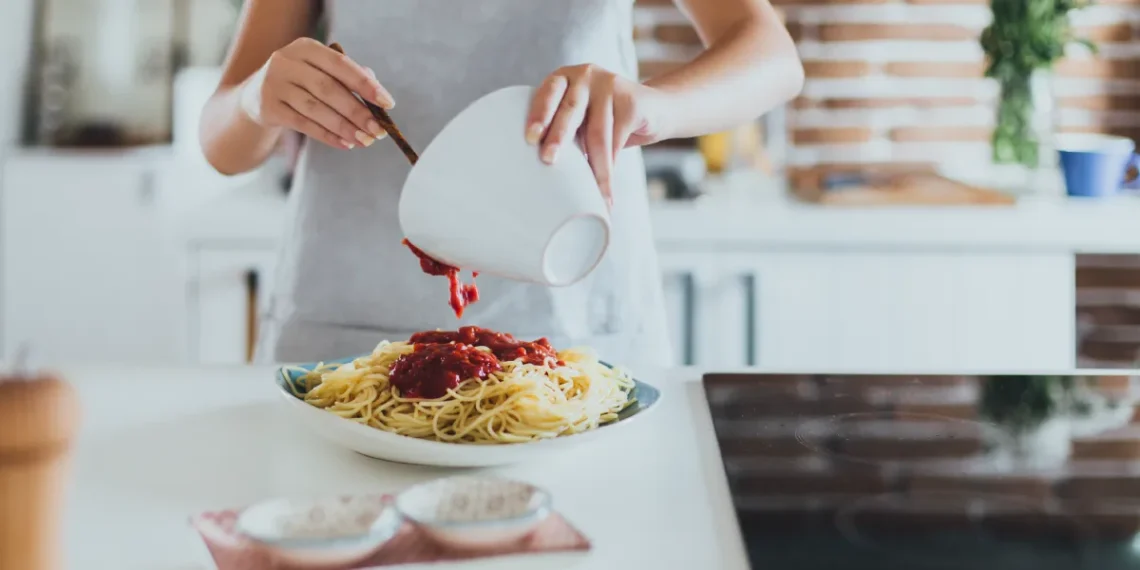
Cooking alone creates a calm, self-contained environment. The kitchen feels quieter, even if music is playing or something simmers on the stove. My attention stays inward, focused on my own preferences and pace. There is no audience, no expectations, and no need to explain choices.
This solitude allows for honesty. I cook what I truly want, not what seems impressive or socially acceptable. Portions adjust naturally, flavors lean toward comfort, and the process feels personal. Cooking becomes an act of self-attention rather than performance.
In this setting, mistakes feel inconsequential. A dish can be too salty or slightly overcooked without disappointment. The absence of judgment makes experimentation easier and more relaxed.
Freedom in Decision-Making
Cooking alone removes the need to compromise. I do not consider allergies, preferences, or timing for anyone else. The decision-making process becomes simpler and more intuitive. This freedom speeds things up and reduces mental load.
Meals can change mid-process without explanation. If an ingredient feels unnecessary, I leave it out. If a craving shifts, the plan adjusts. This flexibility makes cooking feel responsive rather than rigid.
That freedom often leads to a deeper connection with personal taste. Cooking alone sharpens awareness of what actually feels satisfying. Over time, this awareness improves confidence and clarity in the kitchen.
Cooking as Self-Care
When I cook just for myself, the act often feels like care rather than obligation. Preparing a meal becomes a way to pause and reset. The process creates space to check in with how I feel and what I need. Food becomes supportive rather than functional.
Simple meals feel especially comforting in this context. A familiar dish can restore a sense of stability. The act of cooking reinforces the idea that my needs are worth time and effort.
This form of cooking also supports routine. Regular meals prepared alone create structure without pressure. The kitchen becomes a place of consistency and quiet reassurance.
The Emotional Shift When Cooking for Others
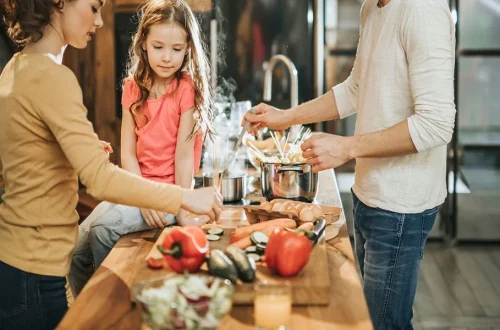
Cooking for others immediately changes the emotional tone of the kitchen. Attention shifts outward, and awareness expands. I start thinking about timing, balance, and presentation. The meal carries a sense of responsibility that is absent when cooking alone.
This responsibility can feel motivating rather than burdensome. Knowing that others will share the meal adds purpose to the process. Effort feels meaningful because it contributes to shared enjoyment. Cooking becomes a form of offering.
At the same time, expectations enter the picture. Even without pressure from others, I become more aware of outcomes. The experience gains weight, which can be both energizing and demanding.
Cooking as an Expression of Care
Preparing food for others is a direct way to show care. Time, attention, and intention all become part of the meal. I notice that cooking for others often carries emotional significance beyond nutrition. It communicates effort without needing words.
This care shapes how I cook. Ingredients are handled with more attention, and flavors are considered carefully. The process slows slightly as I focus on the experience of those who will eat the food. Cooking becomes relational.
Sharing food strengthens bonds in subtle ways. The act of nourishing others builds trust and appreciation. These moments linger longer than the meal itself.
Planning and Structure
Cooking for others requires more structure than cooking alone. Planning becomes necessary to ensure everything comes together on time. I think ahead about ingredients, preparation steps, and pacing. This structure changes how the kitchen feels.
The added planning can feel satisfying. Organizing a meal creates a sense of competence and control. The process becomes purposeful rather than spontaneous. That purpose adds a different kind of enjoyment.
At times, this structure limits flexibility. Adjustments become harder once plans are set. Cooking for others trades freedom for coordination, and that trade-off defines the experience.
The Role of Presentation
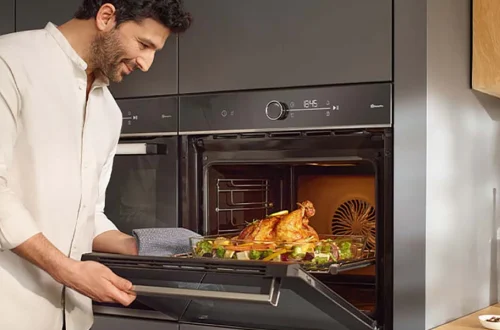
Presentation matters more when others are involved. Even simple meals receive a bit more attention to detail. I notice myself arranging food more carefully or choosing serving dishes with intention. These small choices reflect consideration.
Presentation influences how the meal is received. It sets expectations and enhances enjoyment. Cooking for others highlights how visual cues shape the eating experience. Food becomes a shared moment rather than a private one.
When cooking alone, presentation fades into the background. Function takes priority over appearance. This contrast shows how context changes priorities in the kitchen.
Pressure and Performance
Cooking for others introduces the possibility of pressure. The desire to please can create tension, especially if expectations feel high. I become more aware of timing, seasoning, and outcome. This awareness can either sharpen focus or create stress.
Managing this pressure requires balance. Letting go of perfection helps keep cooking enjoyable. Remembering that the act itself matters more than flawless results eases tension. Cooking remains a gesture, not a test.
Over time, experience reduces pressure. Familiarity builds confidence, and the kitchen feels less intimidating. Cooking for others becomes more relaxed with practice.
Shared Meals and Connection
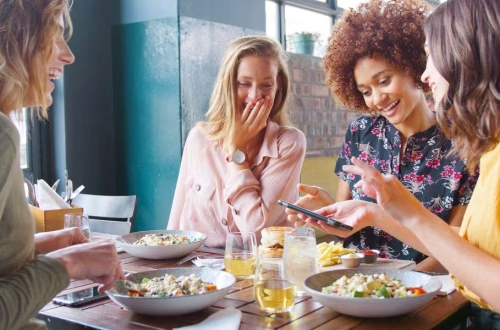
The reward of cooking for others often appears at the table. Sharing a meal creates a moment of togetherness that cooking alone cannot replicate. Conversation, laughter, and presence surround the food. The kitchen effort extends into connection.
These shared meals strengthen relationships. They create memories tied to taste and atmosphere. Cooking becomes part of a larger experience that includes people and stories. That extension adds meaning.
The social aspect also changes how food is perceived. Meals feel richer because they are shared. Cooking for others transforms food into a communal experience.
Solitude vs Energy
Cooking alone offers solitude, while cooking for others generates energy. The kitchen feels quieter in one case and livelier in the other. Both states have value depending on mood and circumstance. Neither is inherently superior.
Solitude supports reflection and calm. Energy supports engagement and celebration. Moving between these modes keeps cooking from becoming stagnant. Each experience refreshes appreciation for the other.
Recognizing this contrast helps manage expectations. Some days call for quiet cooking, while others invite shared effort. Cooking adapts to emotional needs.
Skill Development in Different Contexts
Cooking alone supports experimentation. Without external expectations, I feel freer to try new techniques or ingredients. Failure carries little consequence. This environment encourages learning through trial.
Cooking for others sharpens execution. Timing, coordination, and consistency become important. Skills are applied rather than explored. This context builds reliability and discipline.
Together, these experiences develop a balanced skill set. One nurtures creativity, while the other reinforces precision. Both are essential for growth in the kitchen.
Motivation and Effort
Motivation shifts depending on who the meal is for. Cooking alone relies on internal motivation. I cook because I want to eat well or enjoy the process. The drive comes from within.
Cooking for others draws motivation from responsibility and generosity. The desire to provide fuels effort. This external focus can increase commitment even on tired days. Cooking becomes purposeful.
Understanding these motivations helps prevent burnout. Alternating between the two keeps cooking sustainable. Each form replenishes what the other consumes.
Time Perception
Time feels different in each context. Cooking alone often feels shorter because the process is fluid and adaptable. I move at my own pace without constraints. Time bends to fit the moment.
Cooking for others requires coordination, making time more visible. Deadlines matter, and pacing becomes deliberate. This awareness can heighten focus. The clock becomes part of the process.
Both experiences shape how time is felt rather than measured. Cooking teaches flexibility and discipline depending on context. That awareness extends beyond the kitchen.
Emotional Investment
Cooking alone carries low emotional risk. The outcome affects only me. Satisfaction or disappointment remains private. This safety allows ease.
Cooking for others increases emotional investment. Reactions matter, and feedback becomes part of the experience. Positive responses feel rewarding, while silence can feel uncertain. Emotions play a larger role.
This investment deepens connection but requires resilience. Learning to cook for others without tying self-worth to outcomes is part of growth. Balance keeps the experience healthy.
Identity in the Kitchen
Cooking alone reflects personal identity. Meals align closely with preferences, habits, and mood. The kitchen becomes a mirror of individual taste. Identity feels private and internal.
Cooking for others expresses identity outwardly. Food becomes a way to share culture, values, and care. The kitchen turns into a space of communication. Identity becomes relational.
Both expressions matter. Together, they create a fuller sense of self in the kitchen. Cooking becomes both personal and shared.
Flexibility and Commitment
Cooking alone offers maximum flexibility. Meals can be skipped, simplified, or changed easily. Commitment remains loose. This flexibility suits unpredictable schedules.
Cooking for others requires commitment. Plans are honored, and effort is followed through. This commitment builds reliability and trust. The kitchen becomes a place of follow-through.
Learning to balance flexibility and commitment strengthens cooking habits. Each context teaches something valuable. Together, they support long-term consistency.
Emotional Recharge and Output
Cooking alone often feels like recharge. It restores energy through calm repetition and familiarity. The process gives more than it takes. This replenishment matters.
Cooking for others feels like output. Energy flows outward in the form of effort and attention. The reward comes later through connection and appreciation. This exchange feels different but equally meaningful.
Recognizing these roles helps choose the right approach. Cooking can either refill or extend energy. Both options serve a purpose.
Final Thoughts
Cooking alone and cooking for others offer distinct but complementary experiences. One provides freedom, introspection, and personal care. The other brings structure, connection, and generosity. Together, they reveal the full emotional range of cooking.
Moving between these modes keeps the kitchen dynamic. Each experience informs the other, strengthening skill and perspective. Cooking remains adaptable and relevant through different seasons of life.
Ultimately, the value lies in having access to both. Cooking alone nurtures the self, while cooking for others nurtures relationships. That balance makes cooking a deeply human and enduring practice.