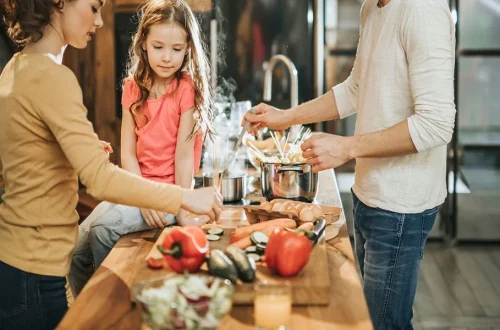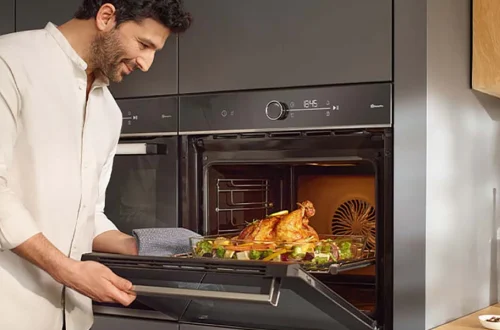
Food has a way of pulling people into the same space without needing an invitation written down. I have seen conversations start quietly while vegetables are being chopped and end hours later with empty plates and full hearts. Cooking creates a setting where walls lower naturally, hands stay busy, and time stretches just enough for real connection to happen. The act itself carries an openness that makes people linger, talk, and share parts of themselves they might otherwise keep guarded.
What draws people together in the kitchen is not perfection or skill, but participation. Cooking allows everyone to play a role, even if that role is simply tasting a sauce or setting the table. In those moments, hierarchy fades, and what matters is contribution rather than expertise. The kitchen becomes a shared space where effort counts more than outcome, and that shared effort lays the groundwork for connection.
Meals prepared together often feel different from meals ordered or eaten alone. They carry the memory of the process, the small jokes, the minor mistakes, and the adjustments made along the way. When people sit down to eat food they helped create, they are also sitting down with a story they all took part in. That shared story becomes the real reason people feel closer once the meal is over.
The Kitchen as Neutral Ground
The kitchen has a unique way of leveling differences between people. Titles, backgrounds, and daily roles tend to soften once aprons go on and hands reach for the same cutting board. I have noticed that conversations flow more freely in the kitchen than in living rooms or offices, partly because everyone is focused on a common task. The pressure to perform socially disappears when attention is divided between food and talk.
This neutral ground allows people who might not normally connect to find common footing. Someone who struggles with small talk can talk about ingredients, while someone shy can stay engaged by helping quietly. The kitchen offers multiple ways to participate without demanding constant conversation. That flexibility makes it easier for different personalities to coexist comfortably.
Being side by side rather than face to face also changes how people interact. Cooking places people next to each other, moving in rhythm, sharing space without confrontation. That physical arrangement reduces tension and makes silence feel natural rather than awkward. Over time, those comfortable silences turn into meaningful exchanges.
Shared Effort Builds Trust
Cooking together requires coordination, timing, and a bit of trust. Someone has to rely on another person to watch the pot or finish a dish at the right moment. Even small acts, like asking someone to taste and adjust seasoning, create moments of reliance. Trust grows quietly through these exchanges, without needing to be named.
Mistakes play an important role in this process. A dish might burn slightly, or a recipe might not turn out as expected, but those moments rarely ruin the experience. Instead, they often lead to laughter or problem-solving together. Handling imperfections as a group strengthens bonds far more than a flawless meal ever could.
When people work toward a shared goal, they tend to feel more invested in each other. Cooking provides a clear purpose that everyone can rally around. The finished meal becomes proof of what cooperation can produce, reinforcing the value of working together beyond the kitchen.
Food as a Universal Language
Food speaks across cultures, ages, and backgrounds in a way few other things can. I have seen people with little in common connect instantly over a shared love of a particular dish or flavor. Cooking allows those connections to form organically, without needing explanations or translations. Taste does much of the talking.
Preparing traditional dishes often opens the door to stories and memories. Someone might explain how a recipe was passed down or why a certain spice matters in their family. These stories give people insight into each other’s lives, building empathy and understanding. The kitchen becomes a place where personal history is shared naturally.
Even unfamiliar foods can bring people together through curiosity. Trying something new as a group creates a sense of adventure and shared discovery. Reactions, whether delight or surprise, become part of a collective experience. That shared exploration strengthens connection through openness and mutual respect.
Rituals That Invite Connection
Regular cooking rituals create reliable opportunities for people to come together. Weekly dinners, holiday preparations, or even casual weekend meals establish rhythms that people can count on. These routines signal that time together matters and is worth protecting. Over time, they become anchors in relationships.
Rituals also provide comfort during difficult periods. When words feel insufficient, preparing a meal together offers another way to show care and presence. The familiar steps of cooking can be grounding, allowing people to support each other without needing to articulate everything they feel. Food becomes a quiet form of solidarity.
The repetition of shared cooking moments deepens bonds gradually. Each meal builds on the last, adding layers of familiarity and trust. These accumulated experiences create a sense of belonging that extends beyond any single gathering.
Teaching and Learning Side by Side
Cooking naturally creates opportunities for teaching and learning without formal structure. Someone might demonstrate a technique, explain why they season a dish a certain way, or share a shortcut they rely on. These moments feel collaborative rather than instructional, which makes them more engaging.
Learning together fosters mutual respect. Even when one person has more experience, the exchange feels balanced because everyone contributes in some way. Questions are welcomed, and curiosity is encouraged. That dynamic strengthens relationships by emphasizing growth rather than authority.
Passing down cooking knowledge often carries emotional weight. Recipes shared between generations connect people across time, reinforcing family bonds. When those recipes are cooked together, the connection feels alive and present, linking past experiences to current relationships.
The Table as a Place of Reunion
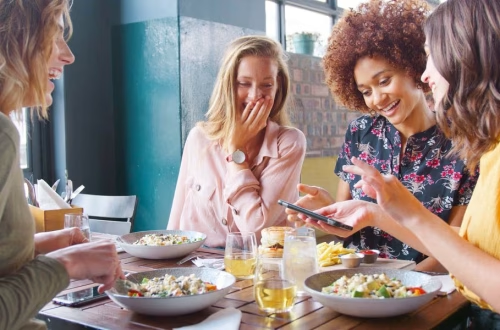
The act of cooking leads naturally to gathering around a table. Sitting down together after preparing a meal feels earned, creating a sense of shared accomplishment. Conversations at the table often feel more relaxed because the hardest work is already done. People can focus fully on each other.
Meals slow people down enough to notice one another. Eating together encourages listening, reflection, and storytelling. Without the distractions of rushing or multitasking, people become more present. That presence deepens connection in subtle but lasting ways.
The table also provides a space for reconnection after time apart. Even strained relationships can find a moment of ease over a shared meal. Food offers a neutral starting point, allowing dialogue to unfold gently.
Hospitality Without Pressure
Cooking for others is one of the most accessible forms of hospitality. It communicates care without requiring grand gestures or polished hosting skills. I have found that people feel more at ease when the focus is on sharing food rather than impressing guests. That ease encourages genuine interaction.
Inviting others into the cooking process removes pressure from the host. When guests help prepare the meal, the experience becomes collaborative rather than performative. Everyone feels included, and the atmosphere becomes lighter. This shared responsibility makes gatherings feel more authentic.
Hospitality through cooking also allows people to express generosity in practical ways. Offering a meal can be a simple yet meaningful way to show support, gratitude, or friendship. Those gestures often leave a deeper impression than words alone.
Conflict Softened by Shared Meals
Cooking together can ease tension in relationships that feel strained. The focus on a task provides a buffer that makes difficult conversations easier to approach. Even without addressing issues directly, sharing space and effort can soften emotional barriers.
Meals prepared together remind people of their shared humanity. Sitting across from someone and eating food you made together makes it harder to hold onto anger. The act itself encourages empathy and patience. While it may not resolve every conflict, it often creates space for healing.
The kitchen offers moments of pause where emotions can settle. Chopping, stirring, and waiting give people time to reflect. These quiet intervals can change the tone of interactions, making reconciliation more possible.
Celebrations Rooted in Food
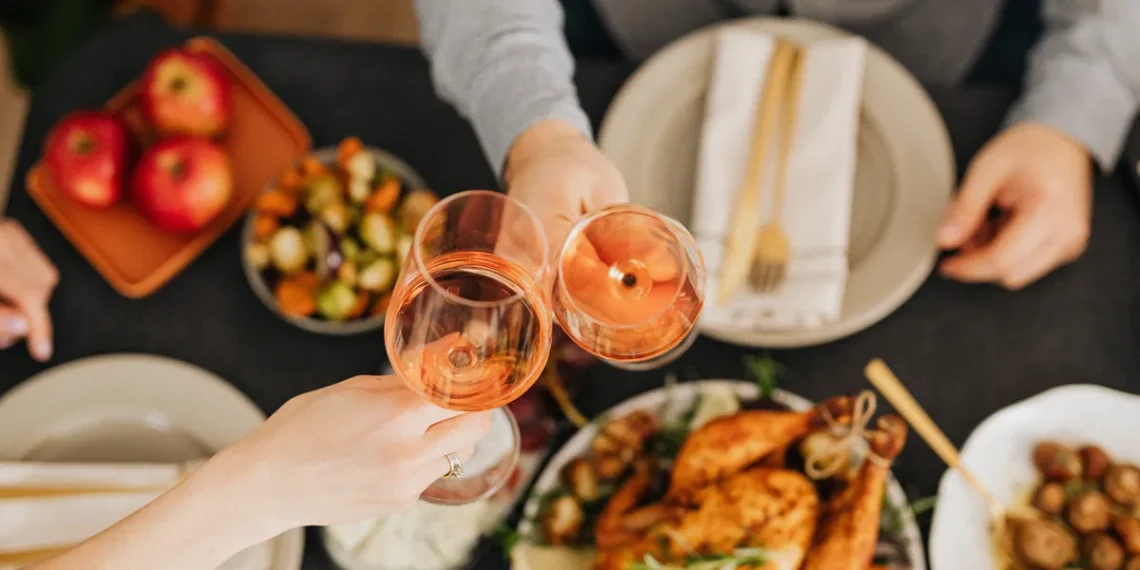
Many celebrations revolve around cooking, from birthdays to cultural holidays. Preparing special dishes marks occasions in a tangible way. These meals carry symbolic meaning that connects people to shared values and traditions.
Cooking for celebrations often involves collaboration, with multiple people contributing different dishes. That collective effort reinforces the sense of community. Everyone has a role, and the final spread reflects the group rather than a single individual.
Food-centered celebrations create memories that last long after the event. The taste of a dish can instantly recall the people and moments associated with it. These sensory memories strengthen bonds by tying emotions to shared experiences.
Everyday Meals That Matter
Connection does not require special occasions. Ordinary meals prepared and eaten together can be just as powerful. Daily cooking creates consistent opportunities for interaction, check-ins, and shared routines.
These everyday moments often feel more authentic than planned gatherings. Conversations flow naturally, shaped by the rhythm of daily life. Over time, these small interactions accumulate, building strong and resilient relationships.
Cooking together regularly normalizes togetherness. It becomes part of the fabric of daily life rather than an exception. That consistency reinforces the idea that connection is not something reserved for special moments, but something lived every day.
Food as an Expression of Care
Cooking for someone is a tangible way to show care and attention. It requires time, effort, and thought, all of which communicate value. I have noticed that people often feel deeply seen when someone prepares food with them in mind.
Sharing meals can also be a way to support others during challenging times. Bringing food or cooking together can provide comfort without demanding conversation. This quiet form of care often speaks louder than advice or reassurances.
The act of nourishing others strengthens emotional bonds. It reinforces trust and appreciation, creating a cycle of giving and receiving. Over time, these gestures deepen relationships in ways that feel both natural and enduring.
Community Built One Meal at a Time
On a larger scale, cooking brings communities together. Potlucks, communal kitchens, and shared meals create spaces where people connect beyond individual relationships. Food provides a reason to gather and a framework for interaction.
These gatherings encourage inclusivity. Everyone brings something, regardless of background or skill level. That shared contribution fosters a sense of belonging and mutual respect.
Community meals also highlight shared values around care and cooperation. Preparing and sharing food collectively reinforces the idea that people are stronger together. These experiences can leave lasting impressions that extend beyond the meal itself.
Final Thoughts
Cooking brings people together by creating shared space, shared effort, and shared meaning. It transforms ordinary ingredients into opportunities for connection, trust, and understanding. Through daily meals and special gatherings alike, cooking invites people to slow down and engage with one another in meaningful ways.
The power of cooking lies not in perfection, but in participation. When people cook together, they build relationships through action rather than intention. Over time, those moments accumulate, weaving connection into the fabric of everyday life.
In a world that often pulls people apart, cooking offers a simple way to come back together. One meal, prepared and shared, has the potential to strengthen bonds that last far beyond the kitchen.