Cooking never stays the same because life never stays the same. The act itself might look similar on the surface, but how it feels shifts as responsibilities, priorities, energy levels, and emotional needs evolve. What once felt exciting can later feel exhausting, and what once felt tedious can eventually feel comforting. Cooking reflects life back in subtle ways, changing tone as circumstances change.
The kitchen becomes a mirror for each stage of life. Time availability, emotional capacity, and personal identity all influence how food is prepared and experienced. Cooking adapts quietly, responding to internal shifts even when the external tools remain unchanged. Each stage brings a different relationship with food, shaped by what is needed most at that moment.
Early Independence Brings Curiosity
The earliest stage of cooking often arrives alongside independence. Cooking feels experimental and slightly chaotic, driven more by curiosity than consistency. Meals are shaped by discovery, trial, and a desire to figure things out without guidance.
Mistakes feel inevitable but not discouraging. Burnt pans, odd flavor combinations, and improvised meals become part of the experience. Cooking feels like a personal experiment rather than a responsibility.
At this stage, cooking carries a sense of freedom. The kitchen becomes a space to explore identity and preference. Food reflects curiosity more than routine, and that curiosity gives cooking its energy.
Limited Resources Shape Creativity
Early stages of life often come with limited budgets, tools, and time. These constraints shape cooking in practical ways. Meals focus on simplicity, affordability, and adaptability.
Creativity grows out of necessity. Substitutions become normal, and repetition feels practical rather than boring. Cooking becomes about making things work rather than making things perfect.
This stage teaches flexibility. Cooking feels resourceful and inventive. The limitations give meals character and reinforce confidence in problem-solving.
Busy Years Change Priorities
As life becomes busier, cooking starts to feel different. Time feels compressed, and meals compete with work, family, and obligations. Cooking shifts from exploration to efficiency.
The kitchen becomes a place of function rather than play. Meals focus on nourishment and speed. Cooking still matters, but it must fit into tighter schedules.
At this stage, cooking feels practical. Success is measured by consistency rather than creativity. Feeding oneself or others becomes the priority, and simplicity becomes a form of care.
Cooking for Others Adds Weight
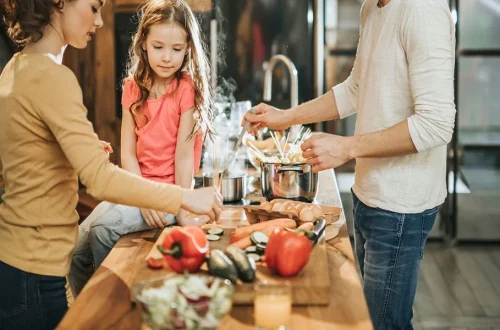
Cooking changes when it involves other people. Preparing meals for family or partners introduces responsibility. Food choices carry emotional weight beyond personal preference.
Cooking becomes an act of service. Consideration for tastes, schedules, and needs shapes every decision. Meals feel meaningful but also demanding.
This stage brings both fulfillment and pressure. Cooking feels important because it supports others. The emotional significance of food deepens, changing how the kitchen is experienced.
Routine Replaces Novelty
With repetition comes routine. Cooking begins to follow patterns that reduce mental effort. Familiar meals appear more often, offering reliability.
Routine removes decision fatigue. Knowing what works brings comfort. Cooking feels steadier, less exciting but more grounding.
At this stage, cooking feels dependable. The kitchen becomes a predictable space. Familiarity replaces novelty, and that familiarity brings calm.
Energy Levels Influence Engagement
Energy changes with life stages, and cooking responds accordingly. High-energy periods invite longer preparation and experimentation. Low-energy periods favor simplicity and shortcuts.
Cooking adapts to capacity. Some days call for full meals, others for minimal effort. The relationship with cooking becomes more forgiving.
This flexibility shapes how cooking feels emotionally. Cooking stops being a test of discipline and becomes a reflection of self-awareness. Energy guides effort rather than expectation.
Emotional Needs Shift Over Time
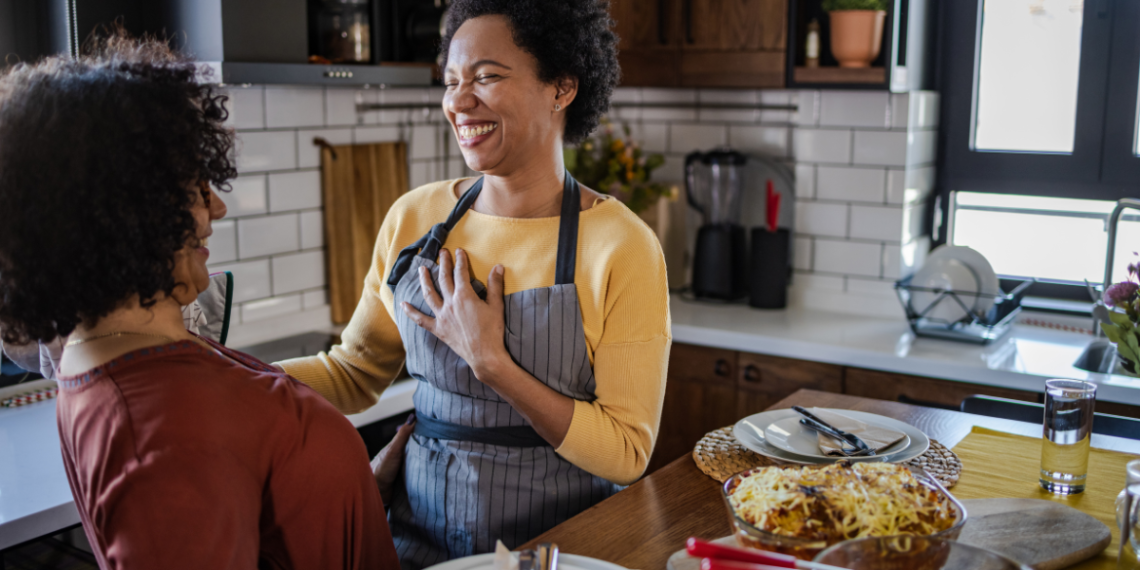
Cooking responds to emotional needs that evolve with life experience. At certain stages, food feels celebratory. At others, it feels grounding or comforting.
Meals prepared during stressful times often lean toward familiarity. Comfort foods become anchors. Cooking offers stability when emotions feel unsettled.
At calmer stages, creativity may return. Cooking becomes expressive again. Emotional context shapes whether cooking feels soothing, joyful, or simply necessary.
Identity Influences the Kitchen
As identity evolves, cooking evolves with it. Early cooking often reflects exploration of tastes and values. Later stages bring clearer preferences and boundaries.
Cooking begins to align with personal beliefs about health, sustainability, or tradition. Meals become expressions of identity rather than experiments.
This alignment brings confidence. Cooking feels more intentional. The kitchen becomes a space where personal values are practiced daily.
Skill Changes the Experience
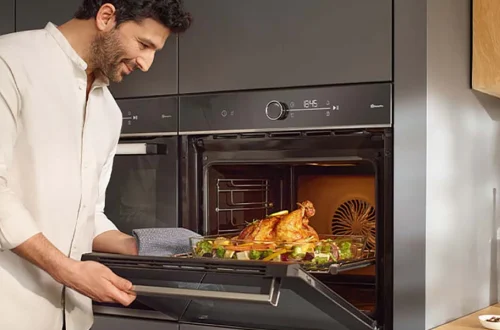
Skill development changes how cooking feels. Early uncertainty gives way to competence. Tasks that once required focus become automatic.
With skill comes ease. Cooking feels less stressful and more fluid. Confidence removes hesitation.
At this stage, cooking feels smoother. The hands know what to do, and the mind relaxes. Skill transforms effort into flow.
Time Availability Reshapes Cooking
Time availability fluctuates across life stages. Periods with more free time allow for slower, more involved cooking. Busy phases demand efficiency.
Cooking adapts to time rather than resisting it. Long recipes appear when time allows. Simple meals dominate when schedules tighten.
This responsiveness keeps cooking sustainable. The kitchen adjusts to life rather than competing with it. Cooking feels supportive instead of burdensome.
Life Experience Adds Perspective
Experience changes how cooking is viewed. Early stages focus on outcome. Later stages appreciate process.
Mistakes feel less dramatic with experience. Cooking becomes forgiving. Perfection matters less than nourishment and enjoyment.
This perspective shift changes the emotional tone of cooking. The kitchen feels less demanding. Cooking becomes a steady presence rather than a performance.
Traditions Gain Meaning
As life progresses, traditions take on deeper meaning. Recipes passed down or repeated over years carry memory and connection. Cooking becomes a link to the past.
Preparing familiar dishes feels grounding. The act carries emotional history. Cooking becomes a way to honor experiences and relationships.
At this stage, cooking feels reflective. Meals tell stories. The kitchen becomes a place where memory and present effort meet.
Cooking During Transitions Feels Unsteady
Life transitions disrupt routines, and cooking often reflects that disruption. Moves, career changes, or personal shifts alter how meals are prepared.
Cooking may feel inconsistent or disjointed. Familiar rhythms break. Meals become simpler or irregular.
This stage feels unsettled, but cooking still provides support. Even minimal meals offer continuity. The kitchen becomes a place of quiet stability during change.
Solitude Changes the Experience
Cooking alone feels different than cooking with others. At some life stages, solitude dominates. Meals become personal and introspective.
Cooking for oneself invites reflection. Choices feel intimate. Meals align closely with mood and need.
This stage brings a quieter relationship with food. Cooking feels meditative. The kitchen becomes a space for personal care rather than coordination.
Confidence Redefines Success
As confidence grows, success in cooking is redefined. Early success might mean following a recipe correctly. Later success means feeling satisfied and nourished.
External validation loses importance. Cooking becomes internal. Meals are judged by how they feel rather than how they look.
This confidence changes the emotional experience. Cooking feels personal and grounded. The kitchen becomes a place of self-trust.
Simplicity Gains Value
Over time, simplicity becomes more appealing. Elaborate meals lose their appeal when they no longer serve current needs. Simple food feels sufficient.
Cooking shifts toward clarity. Ingredients are chosen thoughtfully. Meals become streamlined without feeling lacking.
This simplicity brings relief. Cooking feels lighter. The kitchen becomes less cluttered both physically and mentally.
Reflection Shapes the Relationship
Looking back at past cooking phases adds depth to the present. Each stage leaves behind skills, habits, and preferences. Cooking becomes layered with experience.
Reflection brings appreciation. Earlier struggles feel meaningful. Progress feels earned.
This awareness enriches the current relationship with cooking. The kitchen holds history. Each meal connects past and present.
Cooking Adapts Without Asking
Cooking changes quietly alongside life. No announcement marks the shift. One day the kitchen feels different, and the reason becomes clear only later.
This adaptability keeps cooking relevant. It meets life where it is. Cooking remains useful because it evolves.
The relationship stays alive because it is flexible. Cooking responds rather than resists. That responsiveness keeps it meaningful.
Final Thoughts
Cooking feels different at different stages of life because it grows alongside personal experience. Time, energy, responsibility, and identity all shape how the kitchen is used and how food is prepared. Each phase brings its own rhythm, challenges, and rewards.
Rather than staying fixed, cooking adapts to what life requires. The kitchen becomes a companion through change, reflecting shifts quietly and faithfully. By allowing cooking to evolve naturally, the relationship with food remains supportive, personal, and deeply human.