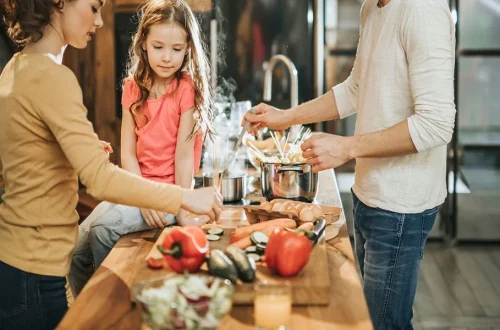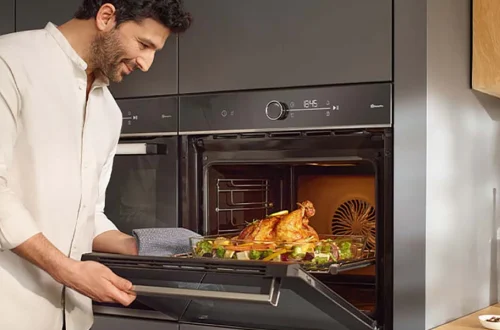

Cooking has a quiet way of easing the pace of life without demanding permission. The moment I step into the kitchen and start preparing a meal, the urgency that follows me through the day begins to soften. Tasks that once felt rushed suddenly follow a calmer rhythm shaped by heat, timing, and attention. Cooking creates a space where speed is no longer rewarded, and that shift feels deeply restorative.
Life often pushes toward efficiency, multitasking, and constant forward motion. Cooking moves in the opposite direction by design. It asks for presence, patience, and a willingness to let things unfold at their own pace. That slower tempo is not a drawback but a gift, offering relief from the constant pressure to move faster and do more.
The Kitchen Sets Its Own Tempo
The kitchen operates on rules that cannot be rushed. Water takes time to boil, onions soften at their own pace, and flavors develop gradually. These limits create a natural boundary against haste and force alignment with a slower rhythm.
Working within that tempo changes how time feels. Minutes stop being units to conquer and become part of a process to respect. Cooking gently insists on patience, and that insistence carries a calming effect.
This shift extends beyond the stove. Once the body adjusts to a slower pace in the kitchen, the rest of the day feels less frantic. Cooking becomes a reminder that not everything needs to happen immediately.
Hands-On Work Calms the Mind
Modern life is dominated by screens and abstract tasks. Cooking brings the body back into the equation through physical movement and tangible outcomes. Hands slicing vegetables or stirring a pot ground attention in the present moment.
That physical engagement interrupts mental racing. Thoughts that spiral during the day lose momentum when attention is anchored to simple, repetitive actions. Cooking becomes a form of embodied focus.
This grounding effect builds gradually. Over time, the mind begins to associate the kitchen with calm. Entering that space signals a shift away from mental noise toward steadier awareness.
Time Feels Different While Cooking
Cooking reshapes the experience of time itself. Clocks matter less than cues like aroma, texture, and sound. This sensory timing pulls attention away from strict schedules.
Waiting becomes purposeful rather than frustrating. Simmering, resting, and baking all require pauses that feel earned. These pauses encourage acceptance instead of impatience.
That acceptance changes how waiting is perceived elsewhere. Cooking teaches that pauses are productive. Life feels less rushed when waiting no longer feels wasted.
Slowing Down Becomes Acceptable
Outside the kitchen, slowing down often feels like falling behind. Cooking reframes slowness as necessary and valuable. A meal prepared too quickly usually suffers, reinforcing the value of taking time.
This permission to slow down is liberating. Cooking provides a socially accepted reason to move at a gentler pace. The process itself justifies the time it takes.
Once that permission is internalized, it becomes easier to apply elsewhere. Slowing down stops feeling like a failure and starts feeling like a choice.
Routine Creates Gentle Structure
Cooking often happens at regular intervals, creating natural pauses in the day. These moments act as checkpoints that slow the rush of time. Meals divide the day into manageable sections.
That structure brings relief. Instead of time blurring together, cooking provides rhythm. The day gains shape through preparation, eating, and cleanup.
This rhythm supports balance. Even on busy days, cooking creates moments of stillness. Life feels steadier when it follows a familiar pattern.
Focus Replaces Hurry
Cooking rewards focus rather than speed. Paying attention prevents mistakes and improves results. This emphasis encourages careful movement and deliberate action.
Focusing on one task at a time feels rare in daily life. Cooking offers that focus without requiring effort to maintain it. The task itself demands presence.
That presence reduces stress. When attention is fully engaged, there is less room for urgency. Cooking becomes a refuge from constant mental acceleration.
Sensory Awareness Slows Perception
Cooking engages all the senses at once. Smells shift, textures change, and sounds signal progress. This sensory richness draws awareness into the moment.
Sensory input slows perception of time. The mind tracks subtle changes instead of racing ahead. Cooking feels immersive rather than hurried.
This immersion carries a calming effect. Sensory awareness anchors the mind, making it harder for stress to dominate. Cooking becomes a form of sensory reset.
Meals Require Patience
Food cannot be rushed without consequence. Undercooked meals disappoint, and rushed flavors fall flat. Cooking teaches respect for process.
Patience develops naturally through repetition. Waiting for food to be ready becomes familiar rather than frustrating. That patience strengthens over time.
This lesson extends beyond cooking. Patience learned in the kitchen influences how other delays are handled. Life feels more manageable when waiting feels normal.
The Body Slows With the Mind
Cooking slows physical movement as well as thought. Careful knife work, steady stirring, and attentive plating encourage deliberate motion. The body mirrors the pace of the process.
That physical slowdown affects the nervous system. Heart rate steadies, breathing deepens, and tension releases. Cooking becomes physically calming.
This mind-body alignment matters. When both slow together, relaxation feels more complete. Cooking offers this alignment without conscious effort.
Productivity Takes a New Shape
Cooking challenges the idea that faster equals better. Progress is measured by readiness, not speed. This reframes productivity in a healthier way.
Completing a meal feels satisfying because it followed a natural timeline. Effort aligns with outcome rather than rushing toward completion. That alignment feels grounding.
This new definition of productivity can influence other areas of life. Doing things well begins to matter more than doing them quickly. Cooking models a more sustainable pace.
Distraction Fades Naturally
Rushed environments encourage distraction. Cooking invites focus by requiring attention to detail. Multitasking becomes less appealing when timing matters.
The kitchen often becomes one of the few places where attention stays anchored. This focus feels refreshing in a world of constant interruption. Cooking offers relief from divided attention.
Over time, distraction loses its grip. The mind grows comfortable staying with one task. Cooking helps rebuild that capacity gently.
Simplicity Supports Slowness
Simple meals often slow things down more effectively than complex ones. Fewer ingredients highlight technique and timing. Simplicity removes pressure to perform.
This simplicity encourages presence. Attention shifts from managing complexity to observing process. Cooking becomes calmer and more intentional.
Simple routines also reduce mental load. Fewer decisions mean less rush. Slowness becomes easier to maintain.
Eating Reflects the Pace of Cooking
Meals prepared slowly tend to be eaten slowly. The care taken during cooking carries into the act of eating. That continuity reinforces calm.
Eating becomes more mindful when the preparation demanded attention. Flavors are noticed, textures appreciated, and hunger cues respected. The meal feels complete.
This slower eating supports satisfaction. Fullness registers more clearly. Cooking slows life both before and after the meal.
The Kitchen Becomes a Refuge
The kitchen often turns into a place of retreat. Stepping inside signals a break from external demands. Cooking offers a reason to step away.
That separation matters. The kitchen creates boundaries between work and rest. Cooking marks a transition into a slower state.
This refuge grows stronger with time. The kitchen becomes associated with calm rather than stress. Cooking transforms the space emotionally.
Consistency Reinforces Calm
Cooking regularly reinforces its calming effects. The more often the process is repeated, the more automatic the slowdown becomes. Familiarity deepens relaxation.
Consistency removes resistance. Starting feels easier because expectations are clear. Cooking slips naturally into the day.
This regular slowdown has cumulative effects. Stress levels lower over time. Life feels less rushed because calm moments happen daily.
Slowness Encourages Reflection
Cooking creates space for quiet thought. The mind wanders gently without pressure. Reflection happens naturally between steps.
This reflection is different from rumination. It feels lighter and more controlled. Cooking provides mental space without overwhelm.
These moments of reflection support clarity. Thoughts settle into place. Cooking offers time to process without force.
Final Thoughts
Cooking slows life down by design, and that slowness is deeply beneficial. Through physical engagement, sensory awareness, and respect for process, cooking creates a calmer rhythm within daily life. It offers relief from urgency without demanding withdrawal from responsibility.
Over time, cooking reshapes how time is experienced. The kitchen becomes a place where patience is practiced and calm is restored. By embracing the slower pace of cooking, life itself begins to feel more balanced, grounded, and humane.