Cooking fatigue creeps in quietly. It shows up halfway through dinner prep when my feet start to ache, my patience thins, and simple decisions feel heavier than they should. Over time, I realized this exhaustion had less to do with the food itself and more to do with how my kitchen functioned. Once I began paying attention to organization, the way I felt while cooking changed in ways I didn’t expect.
An organized kitchen does more than look tidy. It reduces mental strain, cuts down wasted movement, and makes the entire cooking process feel lighter. Cooking still requires effort, but that effort feels purposeful rather than draining. Organization doesn’t remove work from the kitchen, but it reshapes how that work is experienced.
The Hidden Cost of Disorganization
Disorganization turns small tasks into repeated frustrations. Searching for a lid, clearing space before chopping, or realizing a key ingredient is buried behind clutter all add up. Each interruption pulls focus away from cooking and replaces it with irritation. That constant stop-and-start rhythm is one of the fastest ways fatigue sets in.
Mental energy drains just as quickly as physical energy. When the kitchen feels chaotic, the brain stays in problem-solving mode instead of settling into a steady flow. Decisions feel endless, even when the meal itself is simple. By the time the food hits the plate, the cook is already worn down.
Physical strain follows close behind. Extra steps across the kitchen, awkward reaches into crowded cabinets, and repetitive bending add unnecessary movement. Over time, this creates a sense that cooking is harder than it needs to be. Organization removes these invisible obstacles and allows the body to move more naturally.
Mental Load and Decision Fatigue in the Kitchen
Cooking demands hundreds of micro-decisions. What pan to use, where the spices are, which knife is clean, and how much space is available all compete for attention. When everything has a clear place, many of these decisions disappear. The mind can focus on timing, flavor, and technique instead of logistics.
Decision fatigue builds when the brain is forced to choose repeatedly without rest. A cluttered kitchen turns every step into a choice. Even deciding where to set down a cutting board becomes a problem when counters are crowded. Organization simplifies the environment so decisions feel automatic rather than exhausting.
Mental clarity changes the emotional tone of cooking. Instead of feeling rushed or scattered, the process becomes calmer and more predictable. This shift reduces stress hormones and keeps energy levels steadier throughout the meal. Cooking stops feeling like a test of endurance and starts feeling manageable again.
How Visual Clutter Drains Energy
Visual clutter overwhelms the senses. Open shelves packed with mismatched items, counters filled with unused tools, and drawers stuffed beyond capacity create constant background noise for the brain. Even without realizing it, the eyes process all that information at once. That effort contributes to mental tiredness long before the stove is even turned on.
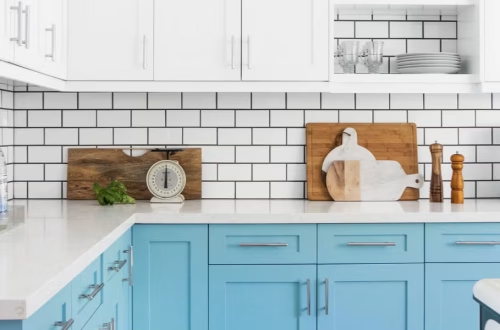
Clear surfaces give the brain room to rest. When counters hold only what is needed for the task at hand, attention narrows naturally. The kitchen feels more spacious, even if the actual size hasn’t changed. That sense of space reduces stress and supports sustained focus.
Visual order also improves confidence. Knowing where things belong creates a feeling of control. Instead of reacting to clutter, cooking becomes intentional. That emotional stability plays a big role in reducing fatigue, especially during longer or more complex meals.
Movement Efficiency and Physical Relief
Efficient movement is one of the most underrated benefits of organization. When frequently used items are within easy reach, the body moves less and rests more. Small changes like placing knives near the prep area or storing pans close to the stove reduce unnecessary steps. Over the course of a meal, this saves both time and energy.
Poor layout forces awkward motions. Reaching over clutter, bending repeatedly for heavy items, or twisting to access crowded cabinets strains the body. These movements might feel minor in isolation, but they accumulate quickly. Organization aligns the kitchen with natural movement patterns instead of fighting against them.
Physical comfort improves when the kitchen works with the body. Cooking becomes less about endurance and more about rhythm. That rhythm supports longer cooking sessions without the same level of exhaustion. Energy is spent on cooking itself, not on navigating obstacles.
Prep Flow and Reduced Friction
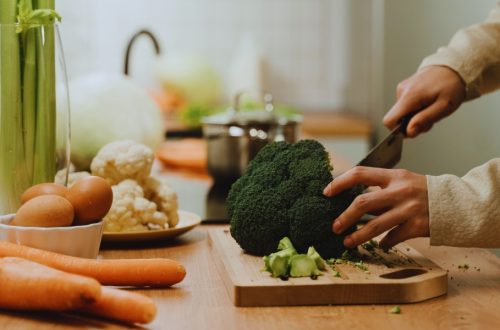
Preparation sets the tone for the entire cooking process. An organized kitchen makes prep feel smooth instead of chaotic. Clear counters, ready tools, and accessible ingredients allow tasks to flow logically from one step to the next. This continuity reduces mental breaks that contribute to fatigue.
Friction shows up when prep is interrupted. Stopping to wash a knife because none are clean or searching for a bowl disrupts momentum. Each pause pulls attention away from the food and increases frustration. Organization minimizes these interruptions by ensuring essentials are ready before cooking begins.
A steady prep flow creates confidence. When tasks unfold smoothly, the brain relaxes into the process. Cooking feels less demanding because effort is evenly distributed. That balance keeps energy levels more stable from start to finish.
Ingredient Placement and Cognitive Ease
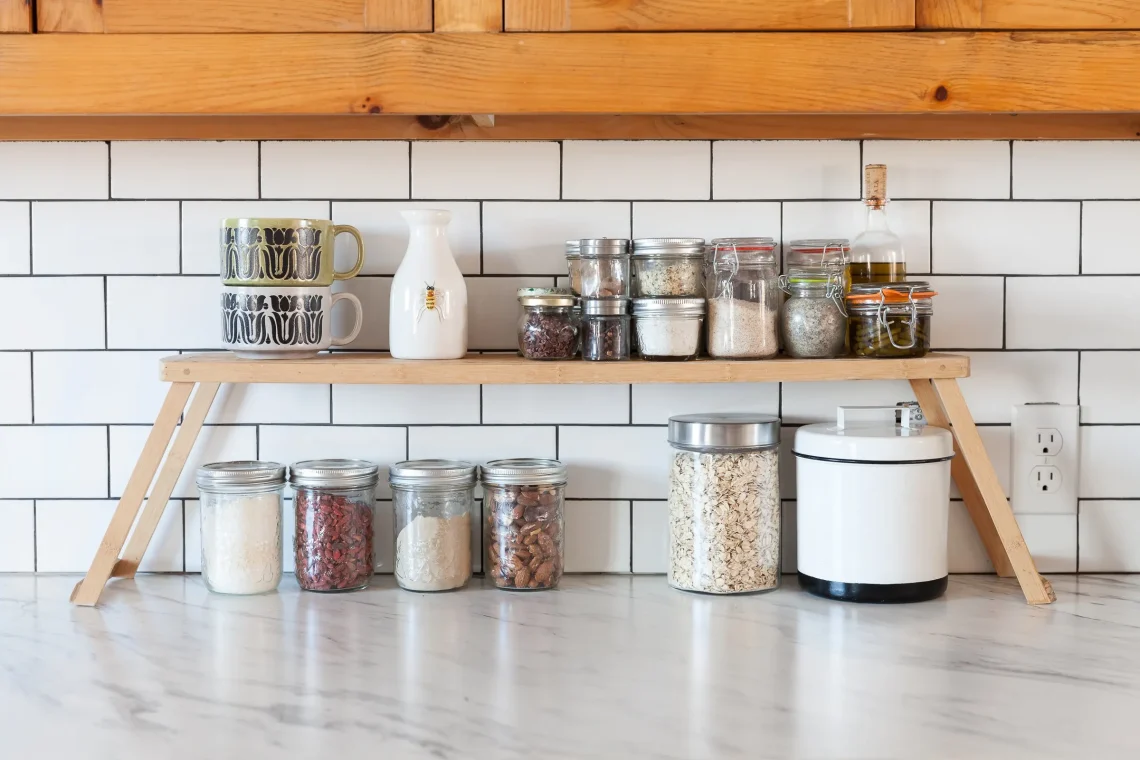
Ingredient organization plays a major role in reducing cooking fatigue. Grouping similar items together makes them easier to locate and remember. When spices, oils, and staples have consistent homes, the brain doesn’t need to search or double-check. That predictability saves mental energy.
Poorly organized ingredients create uncertainty. Opening multiple cabinets to find a single item interrupts focus. Doubt creeps in about whether something is missing or already used. Organization removes that uncertainty and replaces it with clarity.
Cognitive ease supports creativity. When ingredients are easy to find, experimenting feels less risky. The mind stays open instead of guarded. That openness reduces stress and makes cooking feel less like a chore and more like an engaging activity.
Tool Access and Reduced Frustration
Tools shape the cooking experience more than most people realize. When the right tool is within reach, tasks feel efficient and satisfying. When tools are buried or mismatched, even simple actions become annoying. Organization ensures tools support cooking rather than hinder it.
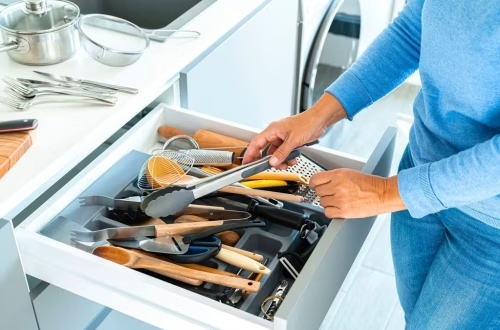
Drawer chaos creates constant interruptions. Digging through clutter to find a peeler or whisk breaks concentration. Each interruption chips away at patience. Organized drawers eliminate that friction and keep attention on the food.
Tool access also affects confidence. Knowing exactly where a tool is located removes hesitation. Movements become more decisive, which conserves energy. That decisiveness helps maintain momentum and reduces the mental wear that leads to fatigue.
Cleaning as You Go Without Stress
Cleaning contributes heavily to cooking fatigue when it feels overwhelming. An organized kitchen makes cleaning feel manageable and integrated into the process. Clear sinks, designated dish zones, and accessible cleaning tools support small, continuous cleanup. This prevents mess from piling up.
When clutter dominates the kitchen, cleaning feels like an extra task rather than part of cooking. Dirty dishes stack up, surfaces disappear, and stress rises. Organization allows cleaning to happen naturally between steps. That rhythm reduces the burden at the end of the meal.
A cleaner workspace also supports focus. Working in a tidy area feels lighter and less chaotic. The mind stays calmer, which preserves energy. Cooking ends with less exhaustion because cleanup never became overwhelming.
Emotional Weight of a Chaotic Kitchen
A disorganized kitchen carries emotional weight. Frustration builds each time something can’t be found or space runs out. That frustration often transfers to the cooking itself, making the process feel negative. Over time, this emotional association increases fatigue before cooking even begins.
Organization changes that emotional relationship. Walking into a functional kitchen creates a sense of readiness instead of resistance. The space feels supportive rather than demanding. That emotional shift reduces stress and conserves energy.
Positive emotions sustain effort. When cooking feels approachable, motivation lasts longer. Fatigue still exists, but it feels manageable. Organization transforms the kitchen from a source of stress into a place of stability.
Time Perception and Energy Drain
Disorganization distorts time perception. Tasks take longer than expected, which creates pressure and anxiety. That pressure accelerates fatigue by pushing the body and mind into a rushed state. Even simple meals feel exhausting when time slips away unnoticed.
An organized kitchen makes time feel more predictable. Tasks move at a steady pace, and progress is visible. That predictability reduces stress and helps maintain energy. Cooking feels efficient rather than frantic.
Time awareness supports pacing. When tasks are organized, breaks happen naturally. The cook doesn’t feel constantly behind. That sense of control reduces mental strain and prevents early exhaustion.
Habit Formation and Long-Term Relief
Organization supports healthy cooking habits. When systems are simple and intuitive, they are easier to maintain. Consistency builds over time, reducing the effort needed to get started. Cooking becomes a routine rather than a challenge.
Poor organization discourages habit formation. If cooking always feels exhausting, motivation fades. Skipping meals or relying on convenience foods becomes tempting. Organization removes barriers and makes cooking feel sustainable.
Long-term relief from cooking fatigue comes from repetition without resistance. An organized kitchen supports that repetition. Energy is preserved not just for one meal, but for weeks and months of cooking ahead.
Small Systems That Make a Big Difference
Effective organization doesn’t require perfection. Small systems often have the biggest impact. Assigning zones for prep, cooking, and cleaning creates clarity. These zones guide movement and reduce confusion.
Simple labels and consistent storage matter more than aesthetics. Knowing where items belong prevents mental clutter. Even modest kitchens benefit from thoughtful placement. Organization adapts to space rather than demanding more of it.
These systems reduce fatigue by eliminating guesswork. Cooking becomes predictable without being boring. That balance keeps energy levels steady and supports enjoyment.
Cooking Confidence and Reduced Burnout
Confidence plays a major role in fatigue. When the kitchen feels under control, confidence grows naturally. Tasks feel achievable instead of overwhelming. That confidence reduces the emotional drain associated with cooking.
Burnout often comes from repeated negative experiences. Struggling through cluttered spaces erodes motivation. Organization reverses that pattern by creating positive feedback. Each successful cooking session reinforces confidence.
Reduced burnout means cooking remains a sustainable part of daily life. Energy isn’t drained by frustration or stress. Organization supports both physical endurance and emotional resilience in the kitchen.
Final Thoughts
Cooking fatigue isn’t always about the food or the time involved. Often, it’s a response to an environment that demands too much attention and effort. Organization reshapes that environment so energy is spent on cooking rather than coping. The result is a kitchen that feels supportive instead of draining.
An organized kitchen reduces mental load, improves movement efficiency, and lightens emotional stress. These changes work together to preserve energy throughout the cooking process. Cooking still requires effort, but that effort feels intentional and balanced.
Over time, organization transforms how cooking feels on a daily basis. Fatigue no longer defines the experience. Instead, the kitchen becomes a place where energy is managed wisely, allowing cooking to remain a satisfying and sustainable part of life.