Professional kitchens are loud, fast, and demanding, but the habits cooks bring home are surprisingly calm and deliberate. My home kitchen is not a restaurant replica, yet it’s filled with tools that earn their place through daily use rather than prestige. Each item solves a specific problem, saves time, or improves results in a way that feels honest and practical. This isn’t about owning everything; it’s about owning the right things and knowing why they matter.
I cook most days, often improvising with what’s on hand, and the tools I rely on shape how confident and relaxed I feel at the stove. Some pieces are humble, even a little worn, but they work consistently and predictably. Others are simple upgrades from common versions, chosen because they remove friction from the cooking process. Together, they form a toolkit that makes home cooking feel focused and rewarding without chasing trends.
Knives That Earn Trust Through Use
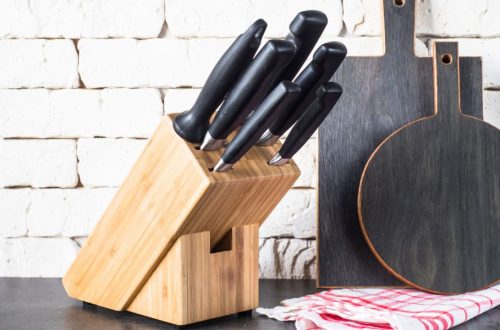
A good knife changes how food behaves under your hands, and that’s why professional cooks obsess over them. At home, I rely on one primary chef’s knife, a smaller utility knife, and a bread knife. This small lineup covers nearly everything, from breaking down vegetables to slicing crusty loaves without tearing them apart. Extra knives stay in drawers because familiarity matters more than variety.
Weight, balance, and edge retention are the real priorities here. A knife that feels right encourages better technique and safer cuts, especially during longer prep sessions. I sharpen mine regularly and prefer simple stones over electric gadgets because they keep me connected to the blade. That routine care builds confidence and ensures the knife performs the same way every time.
Cutting Boards Built for Real Work
Cutting boards take more abuse than almost any other kitchen tool, yet they’re often overlooked. I keep a large wooden board as my main surface because it’s gentle on knife edges and stable on the counter. Plastic boards have their place for raw proteins, but they never replace the feel of wood under a sharp blade. Size matters here, since cramped boards slow everything down and create mess.
A board that doesn’t slide is safer and more enjoyable to use. I dampen a towel underneath to keep it steady, a habit picked up from busy prep tables. Cleaning and oiling the board regularly keeps it hygienic and extends its life. Over time, the surface develops character that reflects thousands of meals prepared on it.
Cookware That Handles Heat Without Drama
Professional cooks respect heat, and the cookware at home reflects that mindset. I reach for a heavy skillet when I want strong searing power and consistent temperature. Cast iron and carbon steel both earn their keep because they respond well to high heat and improve with age. Nonstick pans stay limited to delicate tasks like eggs, where convenience outweighs longevity.
Saucepans with thick bottoms prevent scorching and allow sauces to reduce evenly. I prefer pieces that feel solid but not cumbersome, since control matters more than heft alone. Lids that fit properly help manage moisture and temperature without constant checking. These details reduce stress and let the food dictate the pace.
Sheet Pans That Do More Than Bake
Sheet pans are among the most versatile tools in my kitchen, used far beyond baking cookies. I roast vegetables, toast spices, finish meats, and even chill components on them. Professional cooks favor sturdy, rimmed pans that don’t warp under high heat. That reliability opens the door to aggressive roasting and quick transitions between oven and stovetop.
Lining pans with parchment simplifies cleanup and protects delicate ingredients. I keep multiple pans on hand because they stack neatly and solve countless problems. Their flat surface encourages even browning, which adds depth of flavor without extra effort. Over time, these pans become workhorses that quietly support countless meals.
Mixing Bowls That Stack and Serve
A set of durable mixing bowls makes prep feel organized rather than chaotic. I use metal bowls for most tasks because they’re lightweight, indestructible, and easy to clean. Glass bowls handle microwaving and serving, but metal dominates for speed and efficiency. Sizes vary, yet they all nest together to save space.
Having enough bowls prevents cross-contamination and keeps workflows smooth. I can prep vegetables, marinate proteins, and whisk sauces without stopping to wash between steps. That rhythm mirrors professional kitchens, where momentum matters. Even at home, that sense of flow makes cooking more enjoyable.
Thermometers That Remove Guesswork
Cooking by feel is valuable, but thermometers provide clarity that instincts alone can’t always deliver. I rely on an instant-read thermometer to check doneness without cutting into food. This tool prevents overcooking and builds confidence, especially with proteins that change quickly under heat. It’s a small investment with a big impact on consistency.
Temperature awareness extends beyond meat. I use thermometers for bread dough, frying oil, and even custards. Knowing precise temperatures reduces anxiety and allows me to focus on timing and seasoning. Over time, the data reinforces intuition rather than replacing it.
Tongs That Act as an Extension of the Hand
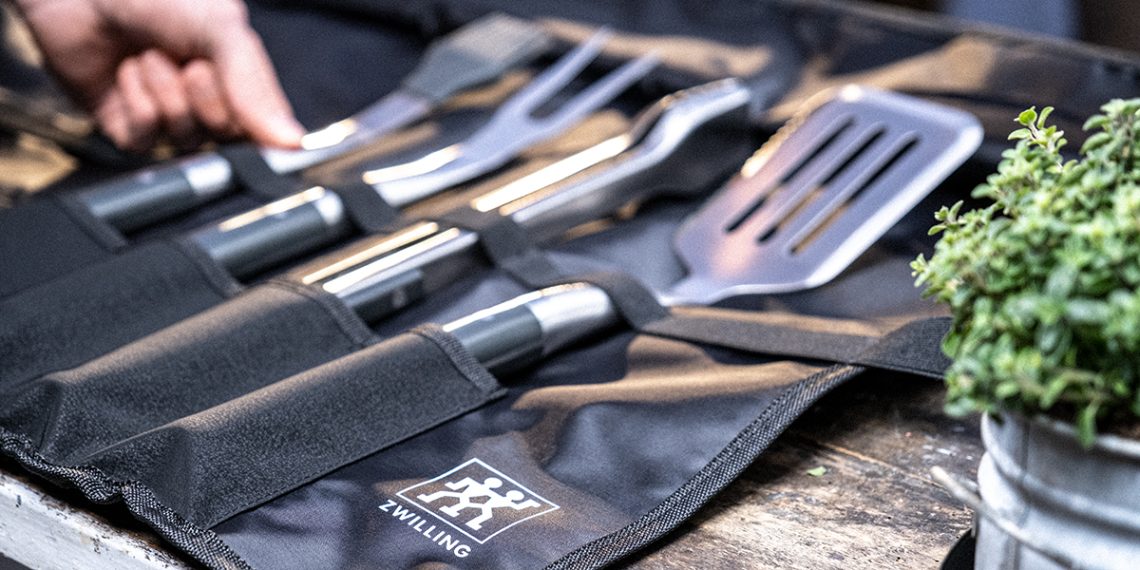
Tongs are the unsung heroes of many kitchens, valued for their versatility and control. I keep a sturdy pair within arm’s reach because they handle flipping, lifting, and serving with ease. Silicone tips protect cookware, while metal versions excel over high heat. Each style has its place, and both see regular use.
Good tongs provide feedback through the hand, letting me feel resistance and texture. That tactile connection helps prevent tearing delicate foods or dropping heavier items. Locking mechanisms that work smoothly matter more than flashy designs. Simplicity and reliability win every time.
Microplanes and Graters for Precision
Freshly grated ingredients bring intensity that pre-packaged versions rarely match. I use a microplane for citrus zest, hard cheeses, garlic, and ginger. The fine texture it produces disperses flavor evenly without overwhelming dishes. This tool adds brightness and depth with minimal effort.
Box graters handle larger tasks like shredding vegetables or cheese for melting. I prefer versions with sharp, well-defined holes that don’t require excessive pressure. Cleaning them immediately avoids buildup and keeps edges sharp. These small habits maintain performance and reduce frustration.
Scales That Bring Balance to Recipes
Measuring by weight simplifies cooking and baking in equal measure. A digital scale eliminates ambiguity and speeds up prep by allowing ingredients to be added directly to bowls. This approach reduces dishes and improves accuracy, especially for flour and sugar. Over time, it encourages a more intuitive understanding of ratios.
I still use measuring spoons for small quantities, but the scale handles the heavy lifting. Switching between units is effortless and keeps recipes flexible. This tool supports consistency without demanding rigid adherence to instructions. It’s about clarity rather than control.
Blenders and Food Processors That Save Time
Power tools earn their spot by doing jobs that would otherwise take too long. I use a blender for soups, sauces, and smoothies where smoothness matters. A food processor tackles chopping, shredding, and dough mixing with ease. These machines shorten prep without sacrificing quality.
Choosing models that clean easily makes a difference. I avoid overly complex attachments that clutter cabinets and rarely get used. Each appliance has a clear purpose and sees frequent action. That restraint keeps the kitchen efficient and uncluttered.
Wooden Spoons and Spatulas That Feel Right
Wooden tools connect me to the food in a way plastic never does. I keep several spoons and spatulas in rotation, each shaped slightly differently. They withstand heat, feel comfortable in the hand, and don’t scratch cookware. Over time, they absorb subtle stains that tell their own story.
These tools excel at stirring, scraping, and tasting without interfering. I replace them only when they truly wear out, which takes years. Their simplicity encourages attentiveness rather than distraction. That quiet reliability is hard to beat.
Mortars, Pestles, and Simple Grinding Tools
Grinding spices and pastes by hand creates textures that machines often miss. I use a mortar and pestle for small batches where control matters. The process releases oils and aromas that elevate even simple dishes. It’s slower, but the results justify the pace.
This tool encourages intention and awareness during cooking. I adjust pressure and rhythm based on what I’m making. Cleaning is straightforward, and storage is simple. It’s a reminder that not every task needs automation.
Storage Containers That Respect Ingredients
Proper storage protects both ingredients and leftovers from waste. I favor clear containers that stack neatly and seal tightly. Seeing contents at a glance prevents forgotten food and encourages better planning. Glass containers handle reheating without transferring flavors.
Labeling and rotating items keep the fridge organized. This habit mirrors professional kitchens, where freshness is non-negotiable. Good storage supports better cooking by preserving quality. It’s a behind-the-scenes tool with visible benefits.
Timers and Clocks That Keep Pace
Time management matters even outside restaurant walls. I use simple timers to track multiple elements without hovering. This frees mental space and reduces the risk of overcooking. Relying on sound cues keeps me engaged elsewhere in the kitchen.
Having a visible clock helps with pacing meals. I can coordinate sides and mains without rushing. These small tools support calm, controlled cooking. They reinforce the idea that attention is a resource worth protecting.
Cleanliness Tools That Maintain Order
Professional cooks clean as they go, and that habit translates well at home. I keep towels, sponges, and a bench scraper within reach. Wiping surfaces and clearing scraps prevents mess from escalating. A tidy workspace encourages better focus and efficiency.
Bench scrapers deserve special mention for their versatility. I use them to transfer ingredients, clean boards, and portion dough. This single tool replaces several others and keeps hands clean. Order supports creativity rather than stifling it.
Tools That Support Confidence and Flow
The tools that professional cooks use at home share a common trait: they reduce friction. Each item earns its place by making tasks smoother and outcomes more predictable. None of them are flashy for the sake of appearance. Their value lies in daily performance and quiet reliability.
Cooking with these tools feels grounded and purposeful. They allow me to focus on flavor, texture, and timing without fighting equipment. Over time, they become extensions of habit and instinct. That familiarity transforms home cooking into something deeply satisfying.
Final Thoughts
The best kitchen tools don’t announce themselves loudly. They work in the background, supporting decisions and reinforcing good habits. Professional cooks bring this mindset home, favoring tools that last, adapt, and simplify. Building a thoughtful collection takes time, but each addition should earn its spot.
A well-equipped home kitchen isn’t about imitation or excess. It’s about choosing tools that match how you cook and treating them with respect. With the right pieces in place, cooking becomes less about effort and more about enjoyment. That balance is what keeps me coming back to the stove day after day.