Counter space shapes how cooking actually unfolds in real time. It affects speed, confidence, cleanliness, and even how enjoyable a meal feels to prepare. I notice immediately when a kitchen has generous, usable counters because everything flows differently from the first chop to the final plate. Without enough space to work, cooking becomes a series of small compromises that quietly drain energy and focus.
Many people underestimate counter space because it feels passive, like background furniture rather than an active tool. In practice, counters act as the main stage where nearly every cooking decision happens. When that stage is cramped or cluttered, mistakes increase, stress builds, and creativity shrinks. Counter space does not just hold items; it holds momentum.
Counter Space Dictates Cooking Rhythm
Cooking has a rhythm that relies on room to breathe. Ingredients move from packaging to prep to cooking in a loose sequence that depends on available space. I find that when counters are tight, that rhythm breaks down and everything feels rushed or disorganized.
Adequate counter space allows multiple steps to exist at once without overlap. Chopped vegetables can sit ready while a pan heats, sauces can rest without being shoved aside, and tools can stay within reach. That flow keeps cooking calm and deliberate instead of reactive.
When counters are too small, every action requires rearranging. Items get stacked, moved, and shuffled constantly, which interrupts focus. Over time, that friction turns cooking into a chore instead of a pleasure.
The Mental Load of Crowded Counters
Cluttered counter space creates invisible pressure. Even before cooking starts, a crowded surface signals difficulty and constraint. I feel less motivated to begin when I know I will be fighting for room the entire time.
Mental energy gets spent on logistics instead of food. Decisions about where to put things compete with decisions about seasoning and timing. That constant low-level problem-solving drains creativity and confidence.
Clear counters reduce cognitive load. When space is open, the mind relaxes and attention stays on the dish rather than the environment. That mental clarity is one of the biggest benefits of generous counter space.
Preparation Lives and Dies on the Counter
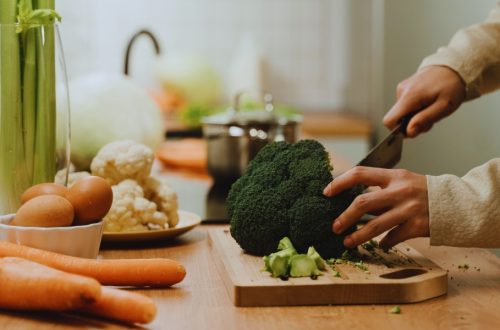
Preparation is where most cooking time is spent, and it happens almost entirely on the counter. Washing, chopping, measuring, and assembling all rely on having enough flat, accessible surface. I judge a kitchen’s usability more by its prep space than by its appliances.
When prep space is limited, tasks must be done sequentially instead of in parallel. Ingredients get prepped, moved away, and sometimes forgotten. That slows everything down and increases the chance of mistakes.
A wide, uninterrupted counter allows preparation to stay visible and organized. Ingredients line up in order, tools remain handy, and progress feels steady. That organization makes cooking smoother and more satisfying.
Why Appliances Cannot Replace Space
Modern kitchens often prioritize appliances over counters. Extra gadgets, larger machines, and decorative features eat into the very surface needed to use them properly. I have cooked in kitchens full of equipment but starved of space, and they always feel harder to work in.
Appliances promise convenience, but without space, their benefits shrink. A food processor still needs room to load, unload, and clean. A mixer still requires counter space to operate comfortably.
Counter space supports every appliance equally. It adapts to different tasks without needing power or setup. That flexibility makes it more valuable than almost any single piece of equipment.
Counter Space and Cleanliness
Cleanliness depends heavily on how much room exists to manage mess as it happens. I notice that kitchens with more counter space stay cleaner with less effort. Spills get wiped immediately because nothing is in the way.
Crowded counters encourage avoidance. When wiping requires moving multiple objects, cleaning gets delayed. That delay allows crumbs, grease, and stains to settle in.
Open space invites quick resets. A simple wipe restores order, and the kitchen feels manageable again. Over time, that ease keeps the entire space cleaner without deliberate effort.
How Counter Space Affects Timing
Timing in cooking relies on readiness. Ingredients need places to wait, tools need to rest, and finished components need somewhere to land. I rely on counter space to stage each part of a meal without confusion.
Without staging areas, timing becomes stressful. Food gets rushed because there is nowhere to set it down. Hot pans compete for space with raw ingredients, increasing risk and tension.
Adequate counter space allows cooking to unfold logically. Each step has a place, and transitions feel smooth. That organization improves results as much as it improves comfort.
The Connection Between Space and Safety
Safety often gets overlooked in discussions about kitchen layout. Crowded counters increase the chance of accidents. I feel noticeably more cautious and tense when sharp tools and hot items are squeezed into small areas.
Limited space forces stacking and overlapping. Knives hide under towels, pans balance precariously, and spills spread unpredictably. These conditions raise the risk of cuts, burns, and dropped food.
Clear counter space provides clear boundaries. Tools stay visible, hot items stay separated, and movement feels controlled. Safety improves naturally when space is respected.
Creativity Needs Room to Expand
Creativity in cooking thrives on freedom. I experiment more when I have room to spread out ideas physically. Multiple bowls, spices, and components can coexist without crowding each other.
In tight spaces, creativity feels risky. Trying something new means making more mess or juggling more items. That discourages experimentation and encourages repetition.
Ample counter space lowers the barrier to creativity. New ideas feel manageable because the space can accommodate them. That freedom keeps cooking exciting instead of routine.
Counter Space as a Planning Tool
Counters are not just for execution but for planning. I often use them to visualize a meal before cooking begins. Ingredients laid out in sequence help me think through steps and timing.
This visual planning reduces mistakes. Missing components become obvious, and proportions feel easier to judge. The counter becomes a map of the meal.
Without enough space, planning collapses into guesswork. Ingredients stay hidden in bags or bowls, and the process feels less intentional. Space supports foresight.
Why Storage Cannot Compensate
Good storage matters, but it cannot replace counter space. Storage holds items between uses, while counters support active work. I have seen kitchens with excellent storage still struggle because there is nowhere to actually cook.
Pulling items out of storage requires somewhere to put them. If that space does not exist, storage becomes part of the problem. Items pile up as soon as they leave cabinets.
Counter space absorbs activity. It gives storage meaning by providing a destination for use. Without it, even the best storage design falls short.
Small Kitchens Still Need Clear Counters
Kitchen size does not eliminate the need for counter space. In fact, smaller kitchens depend on it even more. I find that in compact spaces, every inch of usable counter becomes precious.
The key is not size but usability. Clear, uninterrupted sections matter more than total square footage. A small kitchen with thoughtful counter space can outperform a larger one filled with obstacles.
Protecting counter space in small kitchens requires discipline. Appliances, decor, and storage solutions must earn their place. The payoff is a kitchen that feels capable instead of cramped.
Emotional Feedback From the Space
A kitchen sends emotional signals constantly. Clear counters signal readiness and control. I feel more relaxed walking into a kitchen where surfaces are open and inviting.
Crowded counters signal stress. Even before cooking begins, the space feels demanding. That emotional weight affects how the entire experience unfolds.
Counter space influences mood more than people realize. It shapes whether cooking feels like a welcome activity or an obligation to manage chaos.
Counter Space and Efficiency Over Time
Efficiency compounds over time. Small delays caused by limited counter space add up across weeks and months. I notice that kitchens with more space save time daily without obvious effort.
Tasks take fewer steps. Cleanup happens faster. Mistakes happen less often. That efficiency frees up energy for better cooking rather than faster cooking.
Over time, that difference matters. Cooking remains enjoyable instead of exhausting. Counter space quietly protects long-term enthusiasm.
Rethinking What Counters Are For
Counters are often treated as display zones rather than work zones. Decorative items, small appliances, and random storage take over valuable space. I have learned to see counters as tools, not shelves.
When counters are respected as active surfaces, decisions about what belongs there become clearer. Only items that support immediate cooking deserve space. Everything else can move.
This mindset shift changes how the kitchen functions. The counter becomes a partner in cooking rather than an obstacle.
Final Thoughts
Counter space matters because it supports every part of cooking that actually counts. It shapes rhythm, safety, creativity, cleanliness, and emotional comfort. I have cooked in many kitchens, and the ones that feel best always prioritize usable space over visual excess.
More counter space does not mean larger kitchens or expensive renovations. It means protecting the space that already exists and treating it as essential. Clear counters make cooking feel lighter, calmer, and more intuitive.
When counter space works, everything else falls into place. Cooking stops feeling like a series of small battles and starts feeling like a continuous, satisfying process.