Kitchen clutter does not announce itself loudly, but its effects show up in every step of cooking. Counters crowded with appliances, drawers packed with mismatched tools, and shelves stacked without order quietly drain energy and focus. I feel it immediately when stepping into a cluttered kitchen, even before deciding what to cook. The space feels heavy, and that weight presses down on imagination long before any ingredients are touched.
Creativity in cooking depends on mental freedom. Ideas need room to form, shift, and evolve as food comes together. Clutter fills that room with noise, both visual and mental, making it harder to think clearly or experiment confidently. Instead of feeling inspired, the act of cooking turns into a task of navigating obstacles.
Mental Overload Begins Before Cooking Starts
The brain processes visual information constantly, even when attention is directed elsewhere. A cluttered kitchen floods the mind with competing signals, each item demanding a fraction of attention. While none of these distractions seem dramatic on their own, together they create a low-level sense of overwhelm. That feeling often appears as restlessness or hesitation before cooking even begins.
I notice that decision-making slows down in these conditions. Simple choices like selecting a pan or deciding on seasoning feel heavier than they should. Creativity struggles to surface when the mind is busy sorting through unnecessary stimuli. Clear space, on the other hand, allows thoughts to move freely and ideas to connect more naturally.
Disrupted Flow Breaks Creative Momentum
Cooking has a rhythm that relies on continuity. Chopping leads to sautéing, tasting leads to adjusting, and plating follows almost instinctively when the process flows well. Clutter interrupts this rhythm by inserting friction into every movement. Reaching for a tool and having to search for it breaks concentration.
Once momentum is lost, creativity often retreats. Instead of improvising or refining flavors, the focus shifts to managing frustration. The dish becomes about completion rather than expression, and that subtle shift changes the entire experience of cooking.
Visual Chaos Limits Imagination
Creative thinking thrives in environments where the mind can rest. Visual chaos keeps the brain in a state of alertness, scanning for order or threats even when none exist. In a kitchen, this means attention stays divided between the food and the surrounding mess. Imagination struggles to emerge under those conditions.
A clutter-free space invites curiosity. Ingredients stand out more clearly, colors feel intentional, and combinations come to mind with less effort. Creativity grows from clarity, not excess, and the kitchen is no exception.
Emotional Friction Builds Without Notice
Clutter carries emotional weight that often goes unnoticed. Each unused gadget or overflowing drawer represents unfinished decisions or forgotten intentions. Over time, these silent reminders build emotional friction that affects mood and motivation. Cooking in that environment feels heavier than it needs to be.
I find that frustration appears faster in cluttered kitchens. Small mistakes feel larger, and patience wears thin more quickly. Emotional tension narrows creative thinking, making it harder to adapt or recover when a dish needs adjustment.
Creativity Suffers Under Time Pressure
Clutter steals time in small but persistent ways. Searching for ingredients, rearranging space, or cleaning surfaces before starting adds minutes that quickly accumulate. That lost time creates a sense of urgency, even during relaxed cooking sessions. Creativity rarely thrives under pressure.
When time feels scarce, experimentation feels risky. Safer, familiar choices replace curiosity, and recipes are followed rigidly instead of interpreted. A clear kitchen supports a relaxed pace, which allows ideas to unfold naturally rather than being rushed into submission.
Too Many Tools Blur Creative Intention
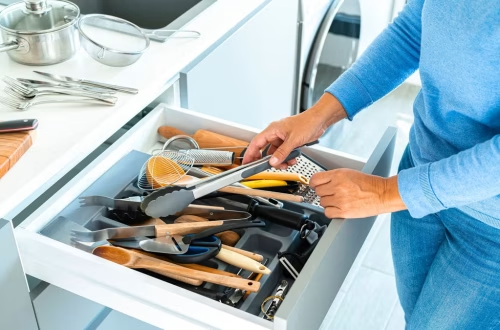
Owning many tools can seem helpful, but excess often clouds intention. When drawers overflow with rarely used gadgets, selecting the right tool becomes a chore. Instead of enhancing creativity, abundance creates confusion. The focus shifts from what the dish needs to what tools are available.
I notice more creative freedom when only essential tools are within reach. Limitations sharpen focus and encourage technique over novelty. A streamlined set of tools supports intentional cooking rather than distracting from it.
Ingredient Clutter Hides Inspiration
Pantries and refrigerators filled without order hide potential inspiration. Ingredients pushed to the back are forgotten, and flavors that could spark new ideas remain unseen. Clutter turns abundance into invisibility. Creativity depends on awareness, and hidden ingredients cannot inspire.
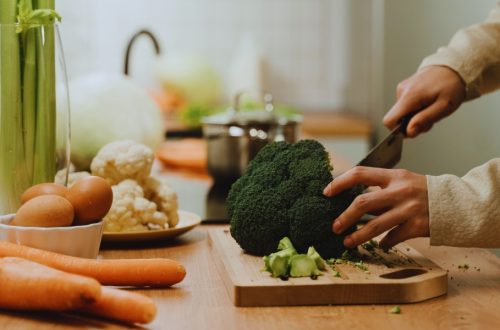
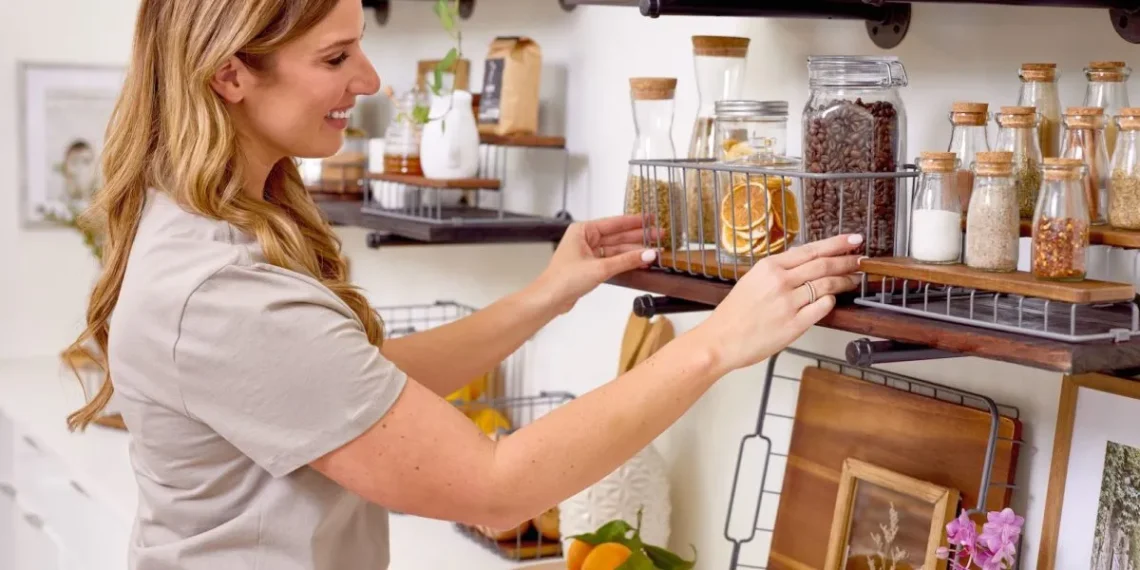
Clear storage reveals possibilities. Seeing herbs, spices, and fresh produce arranged thoughtfully encourages experimentation. Creative meals often begin with noticing what is already available, a process that clutter actively prevents.
Cleaning Anxiety Suppresses Playfulness
A cluttered kitchen often comes with the looming thought of cleanup. When mess accumulates quickly, cooking feels like borrowing time from an inevitable burden. This awareness suppresses playfulness, which is essential for creativity. Fear of making a mess limits willingness to explore.
In a clear kitchen, cleanup feels manageable and predictable. I feel freer to test ideas, knowing the space will not spiral into chaos. That sense of control encourages playful experimentation rather than cautious repetition.
Habitual Cooking Replaces Creative Cooking
Clutter nudges cooking toward habit rather than exploration. Familiar routines feel safer in environments that already feel overwhelming. New ideas require energy and attention that clutter quietly drains away. Over time, meals become repetitive, not from lack of interest but from lack of mental space.
Creative cooking needs freshness, both in ingredients and mindset. Order supports that freshness by reducing friction and mental fatigue. Without clutter, habits can be questioned and reimagined rather than repeated by default.
Physical Restrictions Mirror Mental Ones
Crowded counters and limited workspace physically restrict movement. Chopping, mixing, and plating feel constrained, mirroring the mental restrictions clutter creates. Creativity involves movement, both physical and cognitive. Tight spaces discourage expansive thinking.
I feel more inventive when space allows me to spread out and work comfortably. Physical freedom supports mental exploration, making it easier to adjust, refine, and invent. Clutter compresses that freedom until creativity has nowhere to go.
Stress Alters Taste and Judgment
Stress changes perception, including how flavors are experienced. In cluttered kitchens, stress builds subtly through constant interruptions and inefficiencies. That stress dulls the palate and narrows attention. Creative flavor decisions become harder to make accurately.
Calm environments support better tasting and judgment. When stress levels drop, subtle differences in seasoning and texture become clearer. Creativity relies on these nuances, and clutter interferes with the ability to perceive them fully.
Clutter Encourages Passive Cooking
Passive cooking focuses on following instructions rather than engaging with the process. Clutter pushes cooking in this direction by overwhelming the senses. Recipes become rules to survive rather than frameworks to explore. Creativity fades into compliance.
Active cooking requires presence and responsiveness. Clear spaces invite that engagement, allowing cooks to respond intuitively to what the food needs. Creativity flourishes when the kitchen supports interaction rather than endurance.
Reduced Confidence Limits Experimentation
Confidence grows from repeated positive experiences. In cluttered kitchens, those experiences are harder to achieve consistently. Mistakes feel more frustrating, and successes feel harder won. Over time, confidence erodes quietly.
Without confidence, experimentation feels risky. I am less likely to try unfamiliar techniques or flavor combinations when the environment already feels unstable. Order restores confidence by reducing variables and supporting consistent outcomes.
Clutter Distracts From Sensory Awareness
Cooking relies on sensory input such as aroma, sound, texture, and sight. Clutter competes with these signals by pulling attention outward. Instead of listening to a simmer or noticing a color change, focus drifts toward managing space.
Clear kitchens allow senses to take the lead. Aromas feel more vivid, and visual cues stand out more clearly. Creativity depends on this sensory dialogue, which clutter disrupts at every turn.
Long-Term Creative Fatigue Sets In
The effects of clutter accumulate over time. What starts as mild annoyance turns into chronic creative fatigue. Cooking feels less exciting, even when the desire to create remains. The environment slowly wears down enthusiasm.
I notice renewed excitement when clutter is removed. Ideas return more easily, and cooking feels rewarding again. Creativity needs nourishment, and a clear kitchen provides that support daily.
Final Thoughts
Kitchen clutter kills creativity by crowding the mind, draining energy, and limiting freedom. It interferes with focus, confidence, and sensory awareness, all of which are essential for creative cooking. The impact is subtle but persistent, shaping habits and outcomes over time.
A clear kitchen does not demand perfection, only intention. Space invites ideas, calm supports experimentation, and order gives creativity room to grow. When clutter fades, cooking becomes expressive again, guided by curiosity rather than constraint.