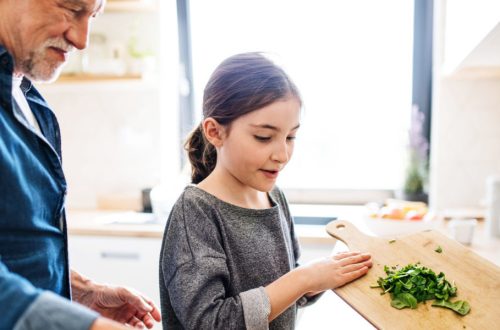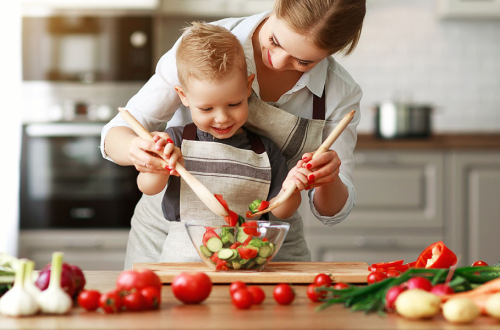
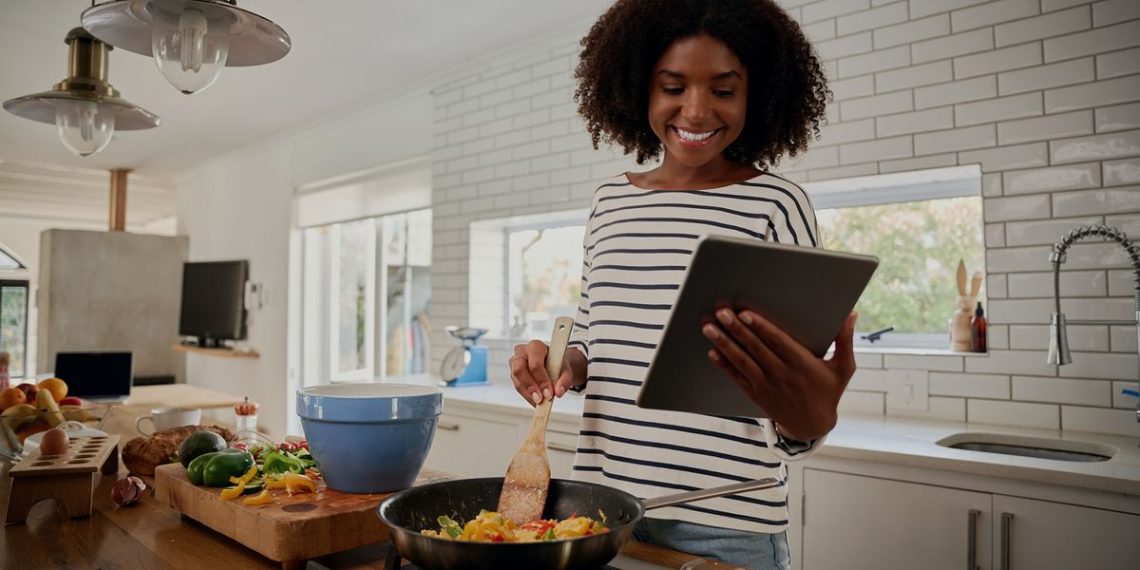
Cooking every day has a quiet way of reshaping how time is perceived. Meals do not bend to impatience, no matter how busy the schedule feels or how hungry everyone is. Heat takes its own pace, flavors need space to develop, and ingredients respond best when treated with care rather than urgency. Through repetition, cooking becomes less about speed and more about learning how to wait well.
Daily cooking places patience into ordinary moments. It shows up while onions soften slowly, while water comes to a boil, and while leftovers rest long enough to taste better the next day. These small pauses are not wasted time. They are moments where restraint turns into quality, and attention turns into satisfaction.
Over time, patience stops feeling like a limitation and starts feeling like a skill. Cooking every day makes that lesson unavoidable. The kitchen becomes a place where patience is practiced, tested, and quietly strengthened.
Time Behaves Differently in the Kitchen
The kitchen has its own sense of time. Minutes stretch when something is close to burning and shrink when a sauce needs longer than expected. This constant negotiation with time teaches awareness rather than control. Accepting that reality eases frustration.
I learned that rushing rarely saves time in the end. Hurrying often leads to mistakes that require fixing or restarting. Waiting a little longer usually delivers better results with less stress.
Cooking every day reinforces that patience is not passive. It is active attention, staying present instead of forcing outcomes. That mindset changes how time feels both in and out of the kitchen.
Ingredients That Refuse to Be Rushed
Some ingredients simply do not cooperate with haste. Beans need soaking, dough needs resting, and tougher cuts of meat need gentle heat. Ignoring these needs results in food that feels incomplete or disappointing.
Daily exposure to these processes builds respect for their rhythms. I stopped seeing waiting as an inconvenience and started seeing it as part of the craft. That shift made cooking feel more intentional.
Patience grows when results improve because of restraint. Watching ingredients transform slowly builds trust in the process. That trust carries into other areas of life.
Repetition Reveals Small Lessons
Cooking every day means repeating tasks often. Chopping vegetables, seasoning soups, and washing dishes become familiar rituals. Within that repetition, subtle lessons appear.
I began noticing how slight changes in timing affected texture and flavor. Pulling something off heat thirty seconds too early or too late made a difference. Those moments sharpen attention and reward patience.
Repetition also reduces frustration. Familiar tasks no longer feel urgent. They feel manageable, even calming, because expectations are grounded in experience.
Mistakes That Demand Calm Responses
Mistakes are unavoidable in daily cooking. Something boils over, seasoning goes too far, or timing falls apart. These moments test patience more than perfect meals ever could.
Reacting with frustration usually makes things worse. Slowing down enough to assess the situation often saves the dish. That pause is an act of patience learned through necessity.
Over time, mistakes stop feeling personal. They become part of the process. This perspective makes patience easier because the stakes feel more realistic.
Waiting as an Ingredient
Waiting is an invisible ingredient in many successful dishes. Resting meat allows juices to redistribute. Cooling baked goods improves structure. Letting flavors meld overnight deepens taste.
Skipping these steps rarely ends well. Daily cooking reinforces that some results cannot be forced. Accepting this truth builds patience naturally.
I came to value waiting as productive time. It is the moment where effort turns into outcome. Respecting that moment changes how patience is defined.
The Emotional Side of Everyday Cooking
Cooking every day intersects with mood, energy, and stress. Impatience often surfaces on difficult days. The kitchen reflects emotional states clearly.
Recognizing this connection helped me slow down intentionally. If tension was high, I simplified the meal instead of pushing harder. That choice protected both patience and enjoyment.
Cooking became a way to practice emotional regulation. Waiting for food to cook mirrored waiting for emotions to settle. Both required gentleness rather than force.
Expectations Adjusted Through Experience
Early expectations around cooking often clash with reality. Meals do not always match the image in the mind. Daily cooking adjusts those expectations gradually.
I learned to expect variability. Ingredients change, conditions shift, and results follow suit. Patience grows when flexibility replaces rigid standards.
Lowering unrealistic expectations does not lower quality. It raises consistency. Patience allows space for adaptation instead of disappointment.
The Role of Sensory Awareness
Patience in cooking is closely tied to the senses. Smell, sound, and sight offer cues that cannot be rushed. Listening for gentle sizzling or watching for color changes demands attention.
Daily cooking sharpens these senses. Over time, they guide decisions more reliably than timers. Trusting them requires patience and confidence.
This sensory engagement slows the mind. It anchors attention in the present moment. That presence is a form of patience cultivated through repetition.
Delayed Gratification at the Table
Cooking every day delays gratification by nature. Hunger arrives before the meal is ready. Waiting becomes unavoidable.
This regular delay teaches restraint. Anticipation builds appreciation rather than frustration when patience is practiced intentionally. The meal feels more rewarding.
Over time, this pattern reshapes how waiting is experienced. Delays no longer feel like obstacles. They feel like part of the enjoyment.
Simplicity as a Patience Practice
Simple meals often require more patience than complex ones. Without heavy sauces or distractions, timing and technique matter more. There is less room to hide mistakes.
Daily cooking reveals the value of simplicity. Allowing ingredients to shine takes restraint. That restraint strengthens patience.
Simplicity also reduces mental clutter. Fewer components mean clearer focus. Patience grows when attention is not divided.
The Psychology of Flavor: Why Some Meals Feel More Satisfying
Flavor satisfaction is deeply tied to patience. Meals that develop slowly often feel more complete. Depth comes from allowing time for reactions and balance.
I noticed that rushed meals often tasted flat, even if technically correct. Meals given time felt fuller and more comforting. That difference reinforced the value of waiting.
Patience enhances flavor perception. When effort and time align, the result feels earned. That emotional layer adds to satisfaction.
Cooking Through Fatigue and Low Motivation
Not every day brings enthusiasm for cooking. Fatigue makes patience harder to access. Daily cooking exposes this reality clearly.
On those days, patience looks different. It means accepting lower energy and adjusting accordingly. Simple techniques and familiar meals become allies.
This flexibility protects patience. Fighting exhaustion only breeds frustration. Working with limitations preserves calm.
The Quiet Reward of Process Over Outcome
Daily cooking shifts focus from outcome to process. When meals are made often, individual results matter less than overall rhythm. This perspective fosters patience.
I began enjoying the act of cooking itself. Chopping, stirring, and tasting became grounding rather than tasks to finish quickly. That enjoyment made waiting easier.
Process-oriented cooking reduces pressure. Without constant evaluation, patience flows more naturally.
Building Trust Through Consistency
Consistency builds trust, and trust supports patience. Cooking every day creates a predictable framework. Familiar routines reduce uncertainty.
Knowing that another meal will come tomorrow lowers the stakes of today’s effort. This abundance mindset encourages patience rather than urgency.
Trust in routine extends beyond the kitchen. It reinforces confidence in gradual progress and steady effort.
Final Thoughts
Cooking every day teaches patience in ways that feel practical and real. It demonstrates that good results often come from waiting, observing, and adjusting rather than forcing outcomes. The kitchen becomes a daily classroom where patience is practiced quietly.
This patience does not appear all at once. It builds through repetition, mistakes, and small successes. Each meal reinforces the lesson in subtle ways.
Over time, patience learned through cooking carries into daily life. Waiting feels less heavy, effort feels more intentional, and progress feels steadier.